Updatetime:2026-06-25 09:26:15 View:
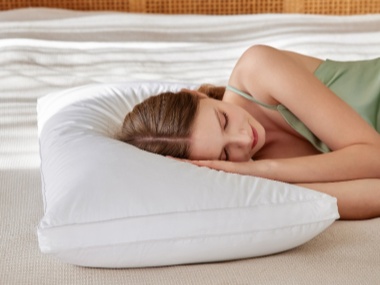
Maintaining cleanliness and hygiene is essential for a restful night's sleep. Bed pillows, often overlooked in regular cleaning routines, play a crucial role in supporting your head and neck while you sleep. However, with time, pillows can accumulate sweat, oils, dead skin cells, dust mites, and bacteria, which can hinder their performance and pose health risks. Washing a bed pillow may seem challenging, but with the right techniques, you can keep your pillows fresh and clean. In this article, we’ll explore the best practices for washing a bed pillow, ensuring it stays in optimal condition for years to come.
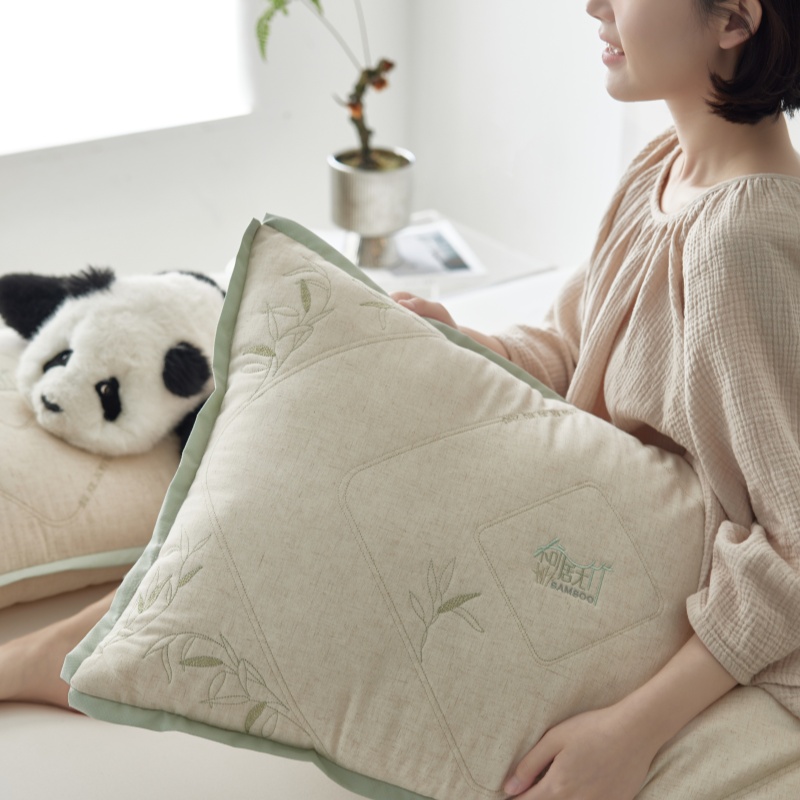
Before delving into how to wash a bed pillow, it’s essential to understand why this step is necessary:
Pillows are home to sweat, saliva, skin particles, and dust mites, which can lead to unpleasant odors and potential health risks. Regular cleaning ensures hygiene and keeps allergens at bay.
Proper washing and maintenance prolong the lifespan of pillows by preserving their structural integrity and reducing wear caused by accumulated dirt over time.
A fresh, clean pillow can enhance your sleep environment, contributing to better comfort and relaxation during sleep.
The frequency of washing a bed pillow depends on factors such as usage patterns, climate, and individual conditions like allergies. A general rule of thumb is to wash your pillows every 3 to 6 months. However, if you suffer from asthma or allergies, you may need to wash them more frequently to eliminate allergens.
Not all pillows are made alike, and their cleaning requirements depend on the material they're made from. Below is a breakdown of washing tips tailored to various types of pillows:
Down and feather pillows are delicate, so special care is necessary when washing them.
Memory foam and latex pillows require a different approach, as these materials do not handle machine washing well.
Polyester and synthetic pillows are relatively easy to clean.
Wool pillows are less common but provide great comfort. Cleaning them requires care to preserve their natural fibers.
Regardless of its type, follow these general steps for a clean pillow:
Before washing, inspect the care label on your pillow. It provides manufacturer-recommended cleaning instructions based on the materials and construction.
Inspect your pillow for visible stains. Apply a stain remover or gently rub the area with a soap solution to loosen the stain prior to washing.
Ensure all detergent residue is removed during rinsing, as leftover soap can affect breathability and cause irritation.
Taking proper care of your pillow between washes is vital to maintain its cleanliness and longevity:
Pillow protectors act as an extra barrier against sweat, spills, and allergens. They are easier to wash than pillows and can extend pillow life significantly.
Occasionally place your pillow in the sun for a natural deodorizing and sanitizing effect. The sunlight eliminates odors and kills bacteria or dust mites.
Fluff your pillow daily to redistribute filling materials, maintain shape, and prevent lumps.
No matter how well you care for them, pillows will eventually wear out. Experts recommend replacing bed pillows every 1 to 2 years to ensure maximum hygiene and support.
Cleaning bed pillows may seem straightforward, but making the following mistakes can damage them:
Using High Heat: High-heat settings during drying can destroy pillow materials. Opt for lower settings or air drying.
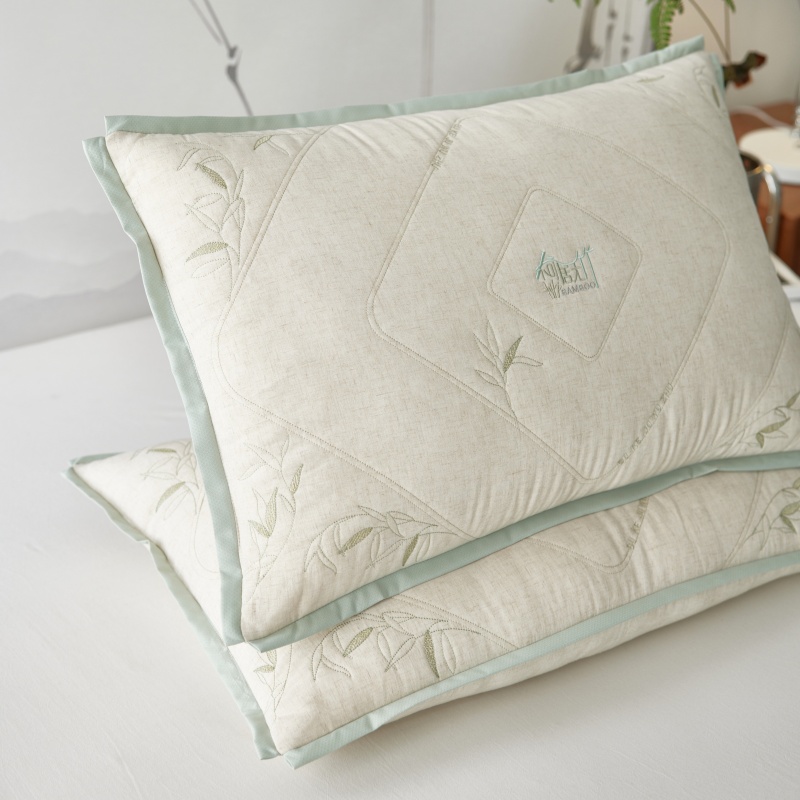
Washing your bed pillow is a critical part of maintaining a clean and healthy sleep environment. By identifying the type of pillow you have, using proper cleaning methods, and following best practices for drying, you can extend its lifespan, minimize allergens, and improve sleep quality. Pillows require regular upkeep—not just for cleanliness but also for your overall well-being. Make it a habit to incorporate pillow cleaning into your seasonal home maintenance routine, and enjoy the comfort of fresh, hygienic bedding every night!
With these actionable insights, now you are equipped to clean your bed pillows effectively. Whether you prefer machine washing, hand cleaning, or spot treatments, maintaining your pillows has never been easier! By investing a little time in proper care, you can maximize their durability and enjoy a healthier sleeping space.