Updatetime:2026-06-24 09:22:27 View:
Traveling can be exhilarating, opening up new vistas and aiding in the exploration of cultures, cuisines, and landscapes. However, it often involves long periods of sitting in vehicles, planes, or trains, which can lead to discomfort, especially in the neck area. This is where travel pillows come into play. These compact accessories can transform your travel experience by providing much-needed support, allowing you to arrive at your destination feeling refreshed and pain-free. In this article, we will explore how to use a travel pillow effectively, covering various types, uses, and tips to ensure your journeys are as comfortable as possible.
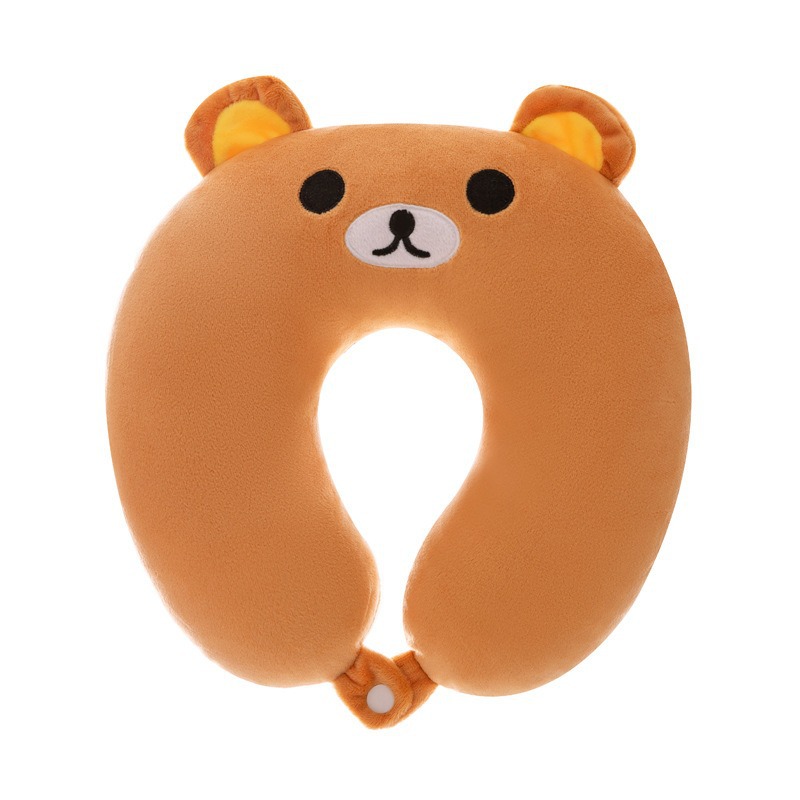
Travel pillows come in a variety of shapes, sizes, and materials, each designed to cater to different preferences and needs. Before delving into usage techniques, it's vital to understand the types available.
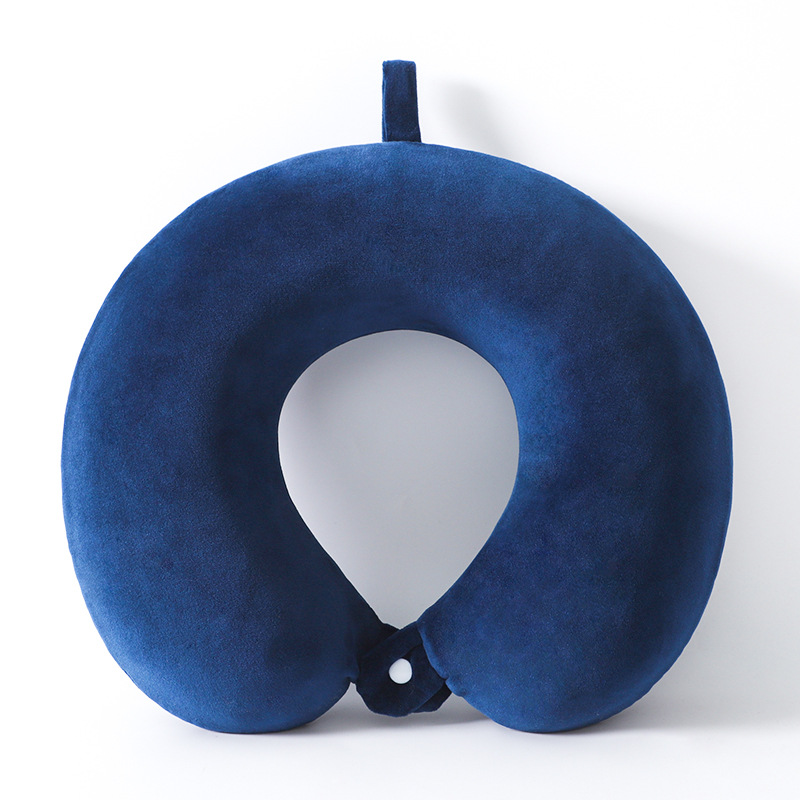
U-shaped travel pillows are among the most popular choices for travelers. Designed to wrap around the back of your neck, these pillows offer support on both sides, preventing your head from drooping or swaying while you sleep. Ideal for use on planes, trains, or buses, U-shaped pillows help maintain spinal alignment and reduce strain.
Inflatable pillows are lightweight and space-saving, making them perfect for travelers who seek portability. These pillows can be adjusted to achieve the desired firmness by adding or releasing air, catering to personal comfort preferences. The flexibility of inflatable pillows allows for easy packing and storing, ensuring you have neck support throughout your travels.
Memory foam pillows provide customized support by contouring to the shape of your neck and head. Their dense material offers exceptional comfort and support, mitigating pressure points. While they tend to be bulkier than inflatable versions, memory foam pillows bring heightened comfort levels to those prioritizing rest over portability.
Filled with tiny beads, microbead travel pillows are highly moldable and breathable. They offer a balance between rigidity and softness, catering to diverse ergonomic needs. These pillows are ideal for people who favor gentle yet supportive cushioning and are readily available in U-shape designs.
To reap the benefits of travel pillows, proper usage is key. Here we'll outline strategies to optimize comfort, ensuring travel-induced aches and pains become a thing of the past.
Begin by placing the U-shaped pillow around your neck, with the open end facing forward. Make sure it fits snugly, as tight enough to offer support without feeling constrictive. When seated, gently recline to allow the sides of the pillow to cradle your head, keeping it upright and minimizing sideways drooping that can lead to discomfort.
To use inflatable pillows, first blow them up to your preferred firmness. The advantage lies in their adaptability; softer fillings offer gentler cushioning, while firmer setups provide greater support. For optimal comfort, adjust your seat's recline level, allowing the pillow to properly support your head. When finished, deflate and fold the pillow for convenient storage.
Memory foam pillows require minimal adjustment, with their form naturally conforming to individual contours. Simply wrap the pillow around your neck and allow it to provide tailored support. While their cushioned design ensures comfort over prolonged periods, it’s generally advantageous to use them with seats offering substantial headrests.
Microbead pillows lend themselves well to creativity, permitting varied uses due to their flexible filling. Besides neck support, consider placing the pillow behind your lower back to enhance lumbar comfort during prolonged seating. These pillows can also double as makeshift cushions for head support when resting in unconventional positions.
Several considerations can influence your choice of travel pillow, ensuring you find the perfect match for your travel style.
Comfort should remain a priority, but support is equally important. Consider your preferred sleeping position and seek pillows that prevent neck straining and promote proper alignment. Travelers prone to neck pain might favor memory foam, while those seeking gentle cushioning may opt for microbeads.
For frequent travelers, size and portability are crucial factors. Inflatable pillows and microbeads offer compact solutions, whereas memory foam pillows demand more storage space. Evaluate your travel habits and luggage constraints to determine which type suits your needs.
When selecting a pillow, consider the materials used. Hypoallergenic options can be beneficial for allergic individuals. Opt for materials that offer breathability and easy-to-clean features, especially for extended travel durations.
Beyond basic usage, the following tips can enhance your travel pillow experience:
Combine your travel pillow with an eye mask and headphones or earplugs to create a comprehensive travel comfort kit. This setup can minimize noise and visual distractions, optimizing relaxation and sleep quality during journeys.
Take your travel pillow for a test run before embarking on lengthy trips. Familiarize yourself with its feel and support to avoid surprises and ensure you make necessary adjustments for maximum comfort.
Regularly clean your travel pillow, especially after extensive use. Most inflatable and microbead pillows feature manageable cleaning routines, while memory foam options typically come with removable covers for fuss-free maintenance. Proper care extends the pillow’s lifespan and enhances hygiene.
Travel pillows, when used correctly and tailored to personal preference, can significantly ameliorate comfort on journeys of any length. Understanding the types available, learning how to utilize them effectively, and factoring in preferences when choosing a pillow can transform travel from a stressful endeavor to a serene experience. As you plan your next adventure, let your travel pillow be a cornerstone of comfort and relaxation, ensuring that each trip begins and ends with ease.