Updatetime:2026-06-23 08:59:45 View:
In the world of home goods, pillows are essential items that provide comfort and support. However, they do not last forever and eventually need to be disposed of. Whether you're upgrading to new pillows or no longer need extras cluttering your home, responsible disposal methods matter. This article aims to provide a thorough exploration of how to throw away pillows safely and responsibly, considering environmental impact, recycling options, and community needs. Read on to discover actionable insights on how to dispose of pillows effectively and sustainably.
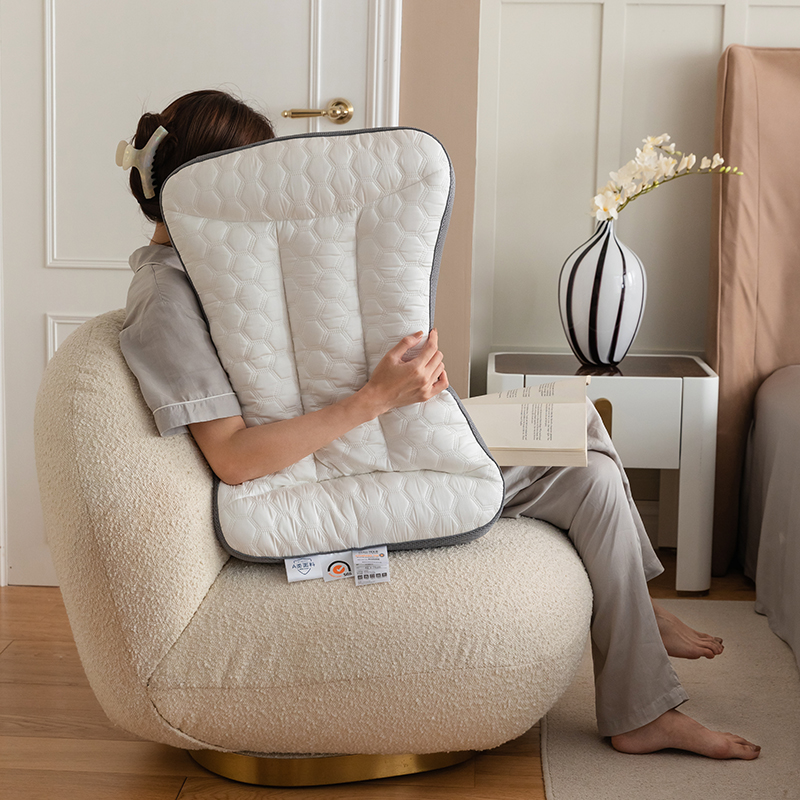
Pillows are subject to wear and tear, becoming less effective over time. Their filling materials, such as foam, feathers, or polyester fibers, can degrade, leading to inadequate support. In addition, pillows can accumulate allergens, dust mites, and bacteria, posing potential health risks. Knowing when to dispose of a pillow involves assessing its condition, hygiene status, and support level. As a general guideline, pillows should be evaluated every 1-2 years.
Several indicators suggest it's time to replace a pillow:
Throwing away pillows doesn't necessarily mean sending them straight to a landfill. Many sustainable options can help minimize environmental impact:
Pillow recycling may vary by location but can offer an excellent solution for disposing of unwanted pillows responsibly. Here are some options to consider:
If your pillows are still in decent shape, donating them to those in need is a viable option. Consider these avenues:
If recycling or donating isn't feasible, proper disposal through waste management services is essential. Bear in mind ensuring that pillows are disposed of in a way that minimizes harm to the environment:
Once you opt for a disposal method, enhance the process with these actionable tips:
Before recycling or donating, wash pillows to eliminate odors, dirt, and allergens. Follow care labels to clean appropriately based on material type.
Investigate your local rules for recycling or waste management regarding pillows to determine compliance. Different regions may have individualized requirements.
Consider swapping to eco-friendly pillow alternatives that help reduce environmental impact long-term. Check options like organic cotton, bamboo, or recycled materials when purchasing replacements.
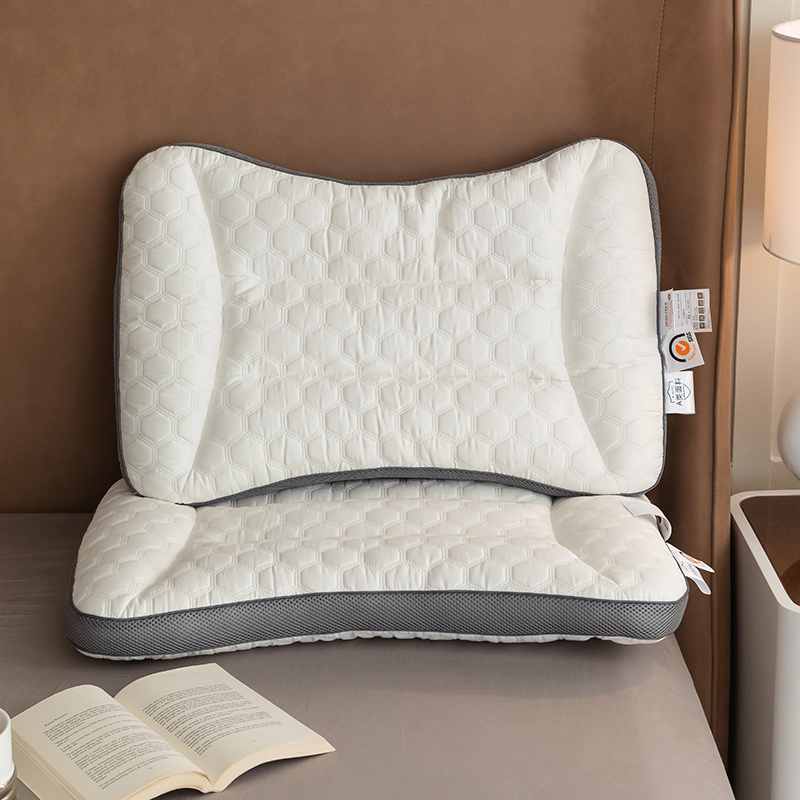
Throwing away pillows doesn’t have to be a straightforward act of disposal. By exploring recycling, donation, and responsible waste management, you mitigate impacts on the environment and contribute to community aid. Embark on pillow disposal efforts with awareness and creativity, ensuring choices that benefit both personal living spaces and the world around you. While the process may initially seem daunting, the range of solutions underscores the importance of sustainable practices at home.
Remember, your considered decisions in disposing of pillows can reflect a broader commitment to environmental stewardship. Embrace these insights to dispose responsibly and sustainably, fostering a greener and more mindful approach to home management.