Updatetime:2026-06-20 15:00:51 View:
Memory foam pillows are celebrated for their ability to provide excellent support and conform to the shape of your head and neck, promoting proper spinal alignment and reducing pressure points. However, some people may find them too firm initially, especially if they are not accustomed to memory foam's dense texture. Fortunately, there are effective ways to make a memory foam pillow softer, enhancing your comfort while maintaining its benefits. This article will provide in-depth insights on softening a memory foam pillow and offer practical guidance for achieving the perfect level of comfort.
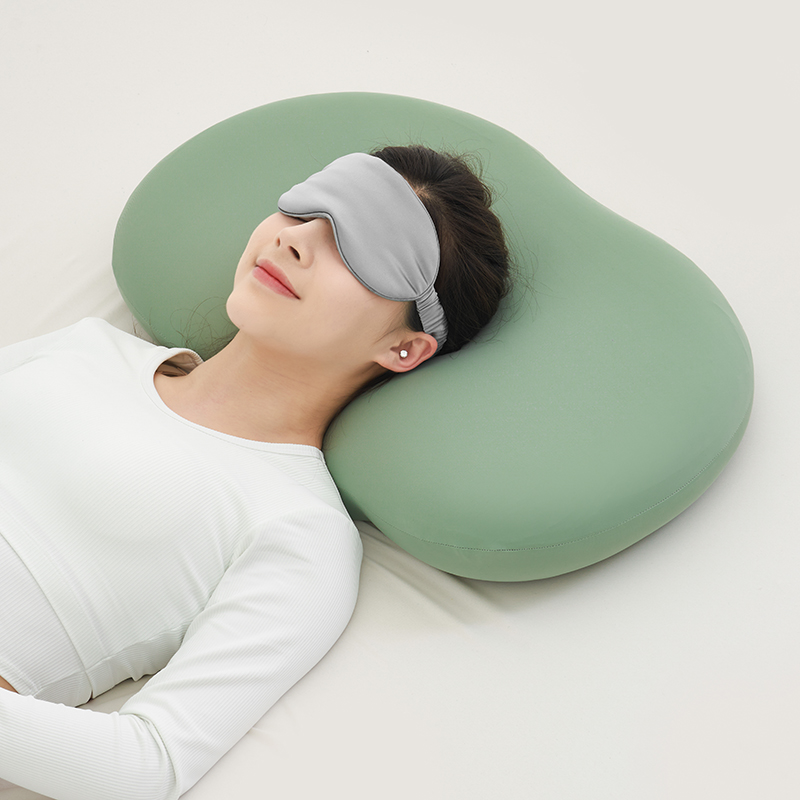
Understanding why memory foam pillows feel firm is the first step toward effectively softening them. Memory foam is designed to provide support while molding to your body shape under pressure and heat. Its density plays a significant role in its firmness. The higher the density of the foam, the firmer the pillow tends to be. Additionally, factors such as room temperature can influence the texture of the foam. Cooler environments cause memory foam to stiffen, while warmer conditions make it more malleable.
Despite initial firmness, memory foam pillows often soften over time as they are gradually broken in. If you find yours uncomfortably hard, you don’t need to wait passively for it to ""age""; there are proactive methods to speed up the process.
The most natural way to soften a memory foam pillow is simply to use it regularly. Consistent pressure and heat from your body will gradually break down the foam's rigidity, making the pillow more comfortable over time. When sleeping on your pillow, be sure to shift positions occasionally to ensure the foam evenly adjusts to different areas of pressure.
Memory foam responds to temperature, becoming softer when exposed to warmth. To temporarily soften your pillow, you can use heat strategically:
Massaging a memory foam pillow can loosen its dense structure and help it soften faster. Follow these steps for effective results:
Washing your pillow may also help soften it, provided the memory foam material is suitable for laundering. Check the care instructions before proceeding. If washing is permissible:
Note that washing and drying methods vary depending on the type of memory foam pillow. Always follow the manufacturer’s guidelines to avoid damage.
If direct contact with the memory foam feels excessively firm, consider adding a plush pillow cover or protector. Materials like cotton, bamboo, or down alternatives can provide a softer layer, making the pillow more comfortable to sleep on. This method is ideal for those who don’t want to alter the foam itself but still desire a softer sleeping surface.
Layering a memory foam pillow with a softer pillow, such as one made of down or fiberfill, can create a more balanced level of cushioning. Use the memory foam pillow for support and position the softer pillow directly under or above it for added comfort. This technique is especially useful for people transitioning to memory foam for the first time.
While memory foam pillows are durable, they will naturally soften through regular use. If your pillow becomes excessively firm and methods to soften it don’t yield results, consider replacing the pillow for better comfort. As a general rule, memory foam pillows should be replaced every two to three years due to wear and hygiene concerns. Investing in a new, lower-density pillow may also be a solution for those who prioritize softness.
Before you soften your pillow, you should carefully consider the following factors:
Softening a memory foam pillow can offer several advantages, such as:
Your sleep quality can significantly improve once you fine-tune the pillow to meet your specific comfort preferences.
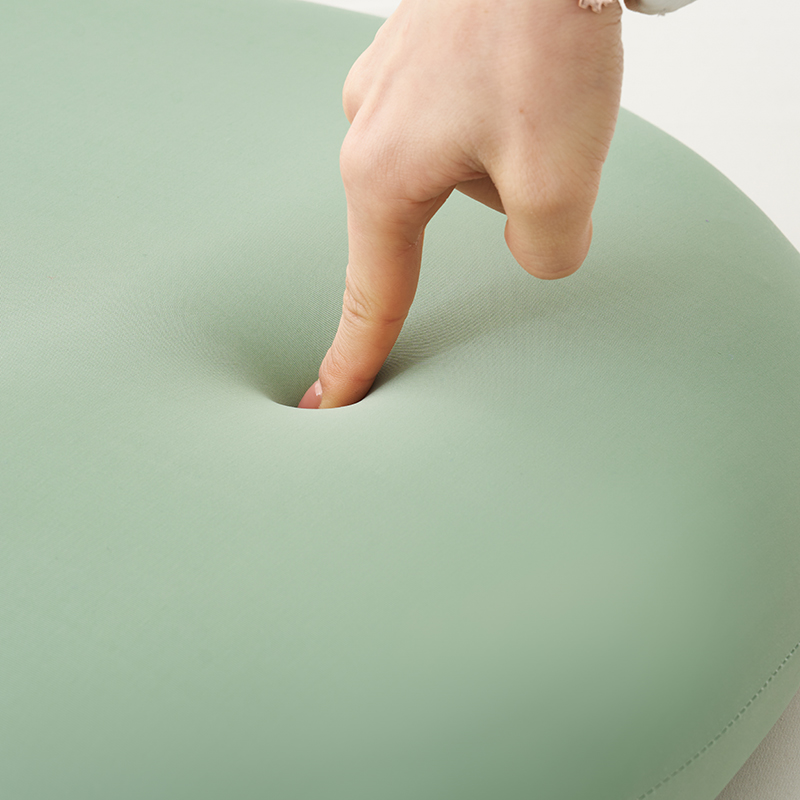
Memory foam pillows are widely recognized for their luxurious feel and ability to support your sleep posture, yet their firmness can be a drawback for some users. Luckily, there are multiple ways to soften your pillow, from warming techniques and massaging to using pillow protectors and combining with other softer pillows.
When softening your pillow, ensure you strike a balance between comfort and support, and always adhere to the care instructions to preserve the foam's integrity. By employing the practical advice outlined in this article, you can transform your memory foam pillow into a bedding accessory that supports a good night’s sleep while meeting your unique preferences.