Updatetime:2026-06-20 14:49:45 View:
A good night's sleep is essential for physical and mental well-being, and the right pillow plays a critical role in ensuring restful sleep. Memory foam pillows have surged in popularity due to their unique ability to conform to the contours of your head, neck, and shoulders, providing tailored support and comfort. However, using a memory foam pillow effectively requires understanding its proper use and benefits, as well as adjusting it to your specific needs. In this guide, we’ll explore actionable tips, insightful advice, and key strategies for maximizing comfort and ensuring you sleep well with a memory foam pillow.
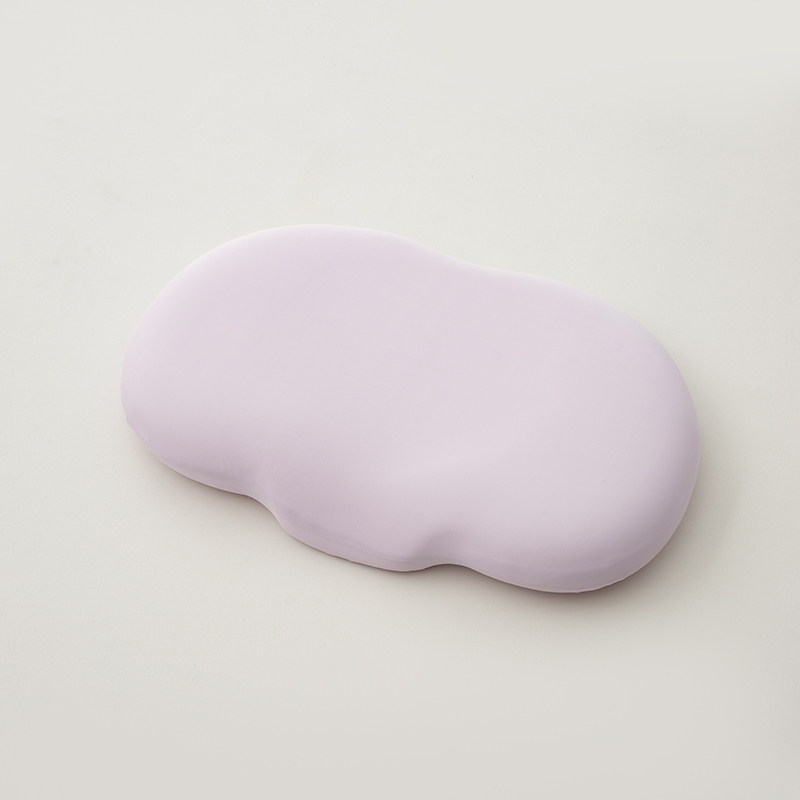
Memory foam pillows are made from viscoelastic polyurethane foam. This material reacts to body heat and pressure, softening and molding to your unique shape. Memory foam provides support by evenly distributing weight, relieving pressure points, and maintaining spinal alignment. Whether you are a side sleeper, back sleeper, or stomach sleeper, these pillows can adapt to your position and offer enhanced comfort.
Before addressing how to sleep with a memory foam pillow effectively, it’s important to understand the benefits it provides:
With these benefits in mind, let's explore how to use a memory foam pillow effectively to optimize your comfort and sleep quality.
Choosing a suitable memory foam pillow is pivotal in ensuring a comfortable night’s sleep. Here are some factors to consider:
Memory foam pillows come in various shapes, including traditional, contour, and wedge designs:
The pillow’s loft should correspond to your sleep position and body type:
Memory foam pillows vary in firmness levels. Softer options may suit light sleepers, while firmer variants often benefit heavier sleepers or those seeking additional neck support.
Some memory foam pillows feature cooling technology or ventilation holes to enhance breathability, minimizing heat retention during sleep.
When you first purchase a memory foam pillow, it may feel firmer than anticipated. This is normal due to its manufacturing process. Here’s how to break it in effectively:
Once you've selected the right pillow and broken it in, it’s important to use it correctly for maximum comfort. Follow these practical tips:
Your sleep position determines how you should position and adjust your memory foam pillow:
If your memory foam pillow feels too thick or firm, make minor adjustments to increase comfort:
If you find a single memory foam pillow isn’t sufficient, combine it with another pillow to better suit your needs. For example, side sleepers may benefit from a knee pillow for added alignment.
Even with a memory foam pillow, other sleep hygiene practices can amplify your comfort:
Proper maintenance ensures your memory foam pillow retains its quality for years to come. Follow these care instructions:
Protect your memory foam pillow with a pillowcase to keep it clean and shield it from oils and sweat. Choose a breathable material like bamboo or cotton for increased airflow.
Most memory foam pillows come with removable, machine-washable covers. Wash these covers regularly to maintain hygiene.
You should typically avoid submerging the foam itself in water, as excessive moisture can reduce its durability. Instead:
Even the best memory foam pillows don’t last forever. Replace your pillow every 2–3 years or if you notice sagging, loss of support, deterioration, or other signs of wear.
Like any product, memory foam pillows may have drawbacks. Here’s how to overcome common challenges:
Memory foam tends to absorb heat, potentially causing discomfort during warm nights. To counteract this issue:
Memory foam may emit an odor when new due to a process called off-gassing. To resolve this:
Sleeping on a new memory foam pillow may feel different at first, especially if you previously used traditional pillows. Allow yourself 1–2 weeks to adjust fully to the new feel and support.
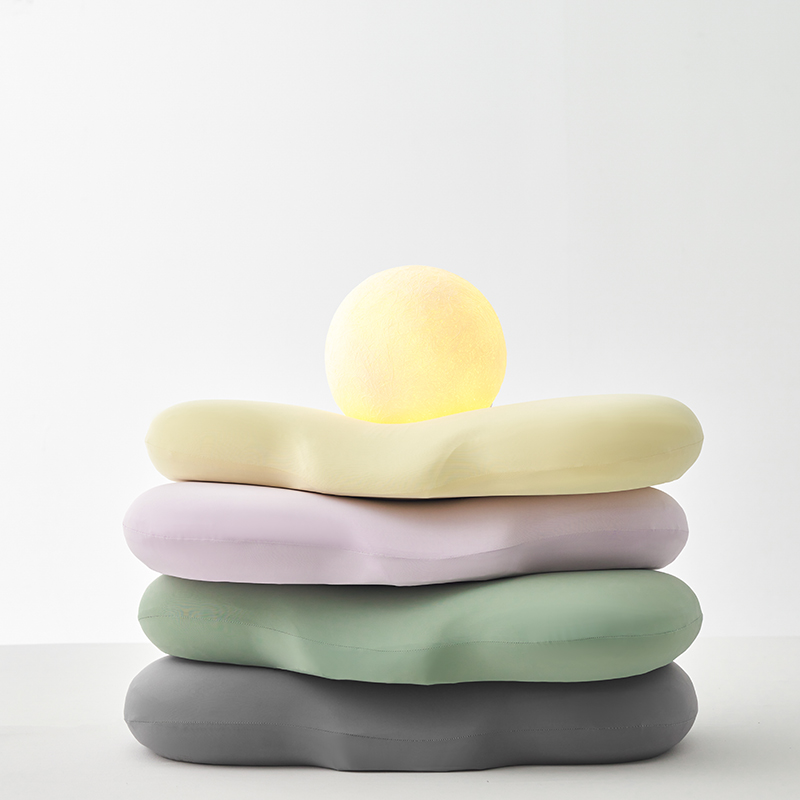
Using a memory foam pillow effectively involves choosing the right size, loft, and firmness, as well as adjusting it to your sleep position and preferences. With proper use and maintenance, memory foam can significantly enhance your sleep quality, offering unparalleled support and comfort. Whether you’re a side sleeper, back sleeper, or stomach sleeper, you can find a memory foam pillow design tailored to your needs. Pair this with a consistent sleep routine, and you’ll be on your way to optimal rest and rejuvenation every night.
Make your sleep count by following the tips shared in this article, and don’t forget to properly care for your pillow to ensure its durability and continued comfort over time. Sweet dreams and restful nights await you with the perfect memory foam pillow!