Wholesale Custom Pillow Manufacturer

How to Sleep on an Orthopedic Pillow: The Ultimate Guide

Updatetime:2026-06-18 12:44:13 View:

Sleeping on an orthopedic pillow can greatly improve your posture, alleviate pain, and enhance your overall sleep quality. Orthopedic pillows are specially designed to support the natural curves and alignment of your body, making them particularly beneficial for individuals suffering from neck, back, or shoulder pain. This comprehensive guide will help you make the most of your orthopedic pillow, providing invaluable insights and practical advice.
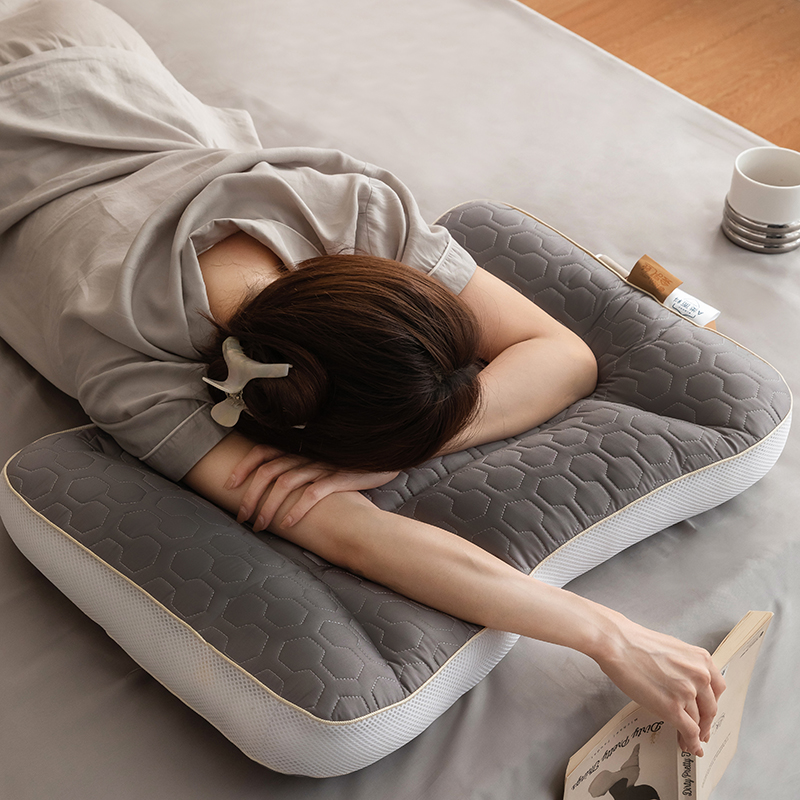
How to Sleep on an Orthopedic Pillow: The Ultimate Guide(图1)

Understanding Orthopedic Pillows

Orthopedic pillows are designed with ergonomics in mind, providing support to your head, neck, and shoulders. They are often crafted from materials such as memory foam, latex, or gel-infused materials to provide comfort, support, and breathability.

The Benefits of Using Orthopedic Pillows

Choosing the right pillow can make a significant difference in your sleep quality. Here are a few benefits of using orthopedic pillows:

  • Improved Alignment: These pillows help align your spine correctly, reducing muscle tension and preventing strain.
  • Pain Relief: They are designed to alleviate chronic neck and shoulder pain.
  • Enhanced Comfort: Orthopedic pillows keep your head and neck comfortable, providing a more restful sleep.
  • Better Airflow: Many orthopedic pillows feature innovative materials that improve airflow, keeping your pillow cool and comfortable.

Selecting the Right Orthopedic Pillow

Selecting a suitable pillow involves considering factors such as material, shape, and firmness. Here's how to choose the right orthopedic pillow for your needs:

Consider Your Sleeping Position

Your sleeping position is a crucial factor in choosing the right pillow:

  • Back Sleepers: A contoured pillow that supports the cervical curve of the neck is ideal. It should be neither too high nor too low.
  • Side Sleepers: Opt for a thicker pillow to fill the space between your ear and shoulder. Ensure it provides adequate support to keep your spine aligned.
  • Stomach Sleepers: A softer and flatter pillow can reduce neck strain and promote spinal alignment.

Material Matters

Orthopedic pillows are available in different materials, each offering unique benefits:

  • Memory Foam: These pillows conform to the shape of your body, providing excellent support and comfort.
  • Latex: Latex pillows offer a resilient bounce and support that is great for maintaining proper alignment.
  • Gel-Infused Materials: These pillows combine the support of memory foam with cooling gel to avoid heat retention.

Firmness and Height

The firmness and height of your pillow should complement your body type and sleeping position:

  • Firmness: Ensure your pillow provides adequate support without being too hard or too soft.
  • Height: The height should ensure your head, neck, and spine are aligned. Adjustable pillows can offer customization for different needs.

How to Sleep on an Orthopedic Pillow

Once you have selected the right orthopedic pillow, sleeping on it correctly is key to reaping its full benefits. Follow these steps:

Align Your Spine

Proper alignment is crucial when using an orthopedic pillow. Focus on aligning your neck and spine:

  • Position your pillow under your neck, not your head. Ensure the support is concentrated where your neck curves naturally.
  • Adjust the pillow to fit your sleeping position. For side sleepers, make sure your head stays in line with your spine. Back sleepers should let the pillow support the natural curve of the neck.
  • Experiment with pillow orientation and positions. Orthopedic pillows often have multiple contouring options.

Gradual Adjustment

Transitioning to an orthopedic pillow may require an adjustment period:

  • Start slowly and gradually. Use the pillow for shorter periods and increase usage as you become more comfortable.
  • Monitor for changes. Pay attention to improvements in comfort and reduction in pain.

Maintenance Tips

A well-maintained pillow can enhance its effectiveness and longevity. Follow these maintenance tips:

Regular Cleaning

Ensure the pillow is clean by following these guidelines:

  • Use a protective pillowcase. It helps keep the pillow clean and preserves its shape.
  • Follow manufacturer cleaning instructions. Memory foam and gel pillows often have specific cleaning methods.

Optimal Pillow Life

Extend the pillow’s life and maintain comfort:

  • Replace every 18-24 months. Pillows lose firmness and support over time.
  • Don’t ignore signs of wear and tear. Lumps, flattening, and discomfort are signals of a needed replacement.

Common Mistakes and How to Avoid Them

Avoid common pitfalls when using orthopedic pillows:

  • Using incorrect size: Always ensure the pillow is appropriate for your body dimensions and sleeping position.
  • Too high or too low: Ensure the pillow height supports your neck curvature.
  • Ignoring discomfort: Pay attention to signs of discomfort and adjust your pillow accordingly.

How to Sleep on an Orthopedic Pillow: The Ultimate Guide(图2)

Conclusion

Investing in a quality orthopedic pillow can significantly improve your sleep quality and reduce discomfort associated with poor posture. By understanding the various aspects of orthopedic pillows, selecting one that fits your needs, and using the pillow correctly, you can experience a restful and comfortable night's sleep. Regular maintenance and mindful use can further enhance the benefits you receive from your orthopedic pillow.

Incorporate these insights into your daily sleep routine to ensure a night of restorative sleep and overall well-being. The key is to listen to your body and make adjustments as you get accustomed to your new pillow, leading to a healthier and more peaceful sleep experience.


Luxury and Elegant Goose Down Pillow
Luxury Super Soft Five Star Hotel Pillow
Maillard Style Twist Pattern Winter Pillow

Inquire