Updatetime:2026-06-17 08:43:38 View:
Pillows may seem like a minor aspect of bedroom design, but they play a significant role in both functionality and aesthetics. Properly arranging pillows on a bed can enhance comfort, create visual appeal, and reflect personal style. Whether you're preparing a guest bedroom, staging a house, or simply revamping your own sleeping space, knowing how to arrange pillows effectively is essential. This guide will offer detailed techniques, tips, and professional insights to help you master the art of pillow organization.
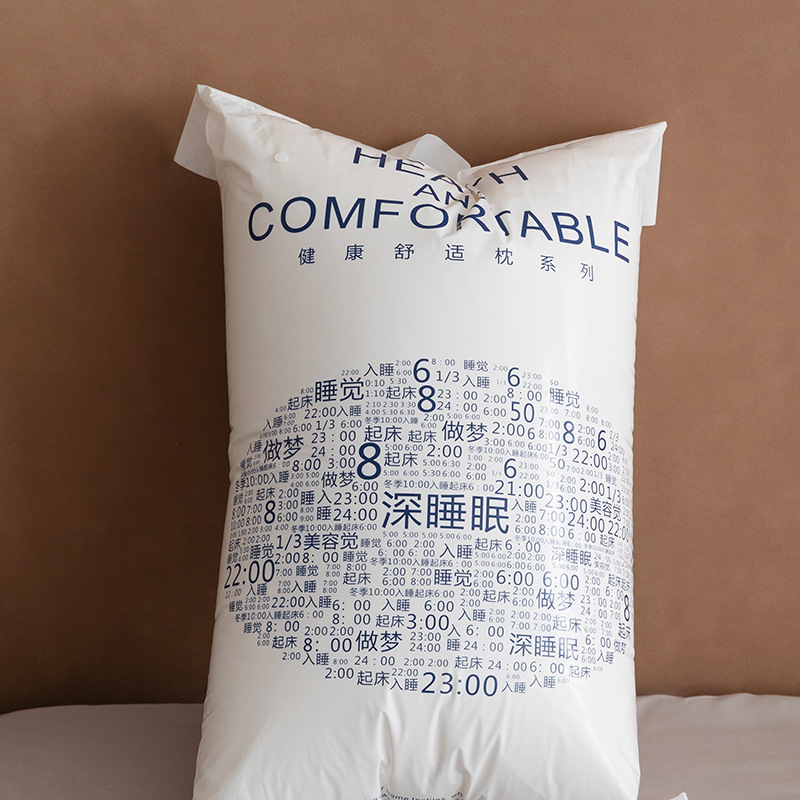
The way pillows are set up on a bed can greatly impact the appearance and comfort of the room. Professionally styled pillows can make a bed look inviting, luxurious, and well-maintained. Beyond aesthetics, proper pillow placement can also promote better posture and sleep quality. For instance, decorative pillows can be used to make the bed look welcoming, while properly arranged sleeping pillows provide optimal support for your head, neck, and spine.
Before diving into pillow arrangement techniques, it's crucial to understand the different types of pillows commonly used for beds. Choosing the right combination of pillows ensures that both design and comfort are achieved.
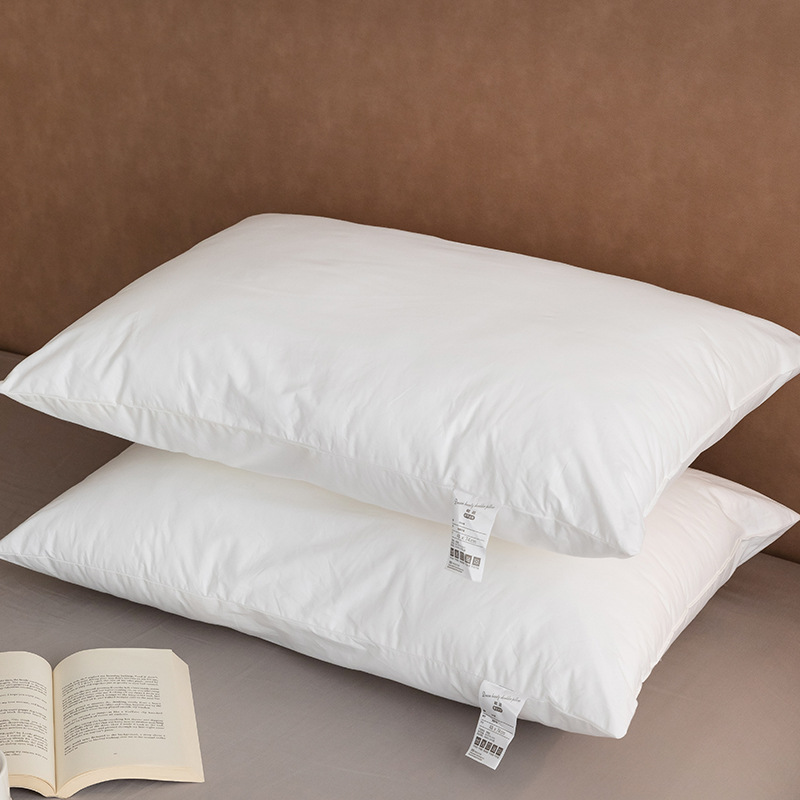
These are essential pillows for resting your head during sleep. They come in various firmness levels (soft, medium, firm) and sizes (standard, queen, king). It's important to prioritize comfort and ergonomic benefits for these pillows.
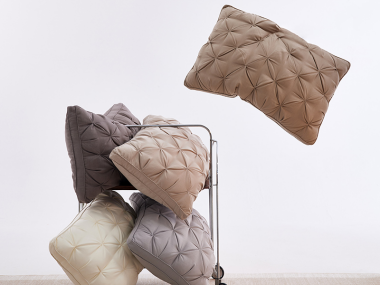
Decorative pillows, often referred to as throw pillows, are used purely for aesthetic purposes. These pillows come in a variety of shapes, sizes, colors, patterns, and textures to complement your bedspread and overall room décor.
Euro shams are square-shaped pillows, typically larger than standard pillows, and are perfect for adding structural layers and height to your bed setup. They are commonly used at the back of the arrangement to create dimension.
Bolster pillows are cylinder-shaped pillows that add a unique visual element to the bed's design. They are versatile and can be used at the foot of the bed or integrated into the larger pillow arrangement.
These pillows often cater to specific ergonomic needs for sleeping or lounging, such as cervical support pillows or reading pillows. While practical in function, they can also be subtly integrated into the design.
When arranging pillows, it’s helpful to follow some basic principles to ensure a cohesive and comfortable look:
An asymmetrical arrangement can make the bed appear messy, while a balanced setup achieves harmony and organization. Symmetry is visually appealing and creates a polished look.
Start with the largest pillows toward the back and work your way forward with progressively smaller ones. This layering technique ensures depth and prevents the setup from looking flat.
Pillow arrangements should complement the overall theme of your room. For instance, a minimalist bedroom may feature fewer pillows with solid colors, while an eclectic room might incorporate bold patterns and varying textures.
While pillows can elevate the bed’s appearance, too many can make the bed look cluttered and impractical. Strike a balance between comfort and decoration to keep the arrangement functional.
Now that you've gained an understanding of pillow types and arrangement principles, let's explore various pillow setup techniques for different bed sizes and styles. Adjust the steps based on your preferences and pillow inventory.
A king-sized bed provides ample space for pillow arrangements. Here’s how you can achieve a luxury look:
The queen-sized bed includes slightly less space, which calls for a more streamlined setup:
For smaller beds, the arrangement should maximize space while maintaining a stylish appearance:
If you prefer a laid-back, functional setup, consider minimizing layers. For instance:
Transforming your bed with beautiful pillows requires an eye for color, texture, and placement. Here are some valuable tips to enhance your styling:
Choose pillow covers that contrast or complement your bedspread. Bold colors and patterns can serve as an eye-catching focal point, while neutral tones maintain a serene atmosphere.
Mix and match textures like velvet, linen, silk, or knit fabrics to create layers that add dimension and sophistication.
Pillow inserts should be plush and maintain their shape over time. Down-filled or high-quality synthetic inserts provide a luxurious yet functional look.
Consider swapping out pillow covers seasonally to refresh the room’s appearance. For instance, spring might involve floral prints, while winter might include cozy fabrics such as faux fur.
Properly maintaining pillows ensures their longevity and continued aesthetic appeal. Here’s how to keep your pillows looking fresh:
Sleeping pillows and decorative pillows alike benefit from regular fluffing to avoid flattening. Rotating them can also prevent uneven wear.
Pillow covers should be washed periodically based on usage. Decorative covers may need cleaning once a month, while sleeping pillow covers should be changed weekly.
Even with proper care, pillow inserts eventually lose their shape. Replace them every 1-2 years for optimal comfort and aesthetics.
Arranging pillows on a bed is a nuanced process that can transform your bedroom into a relaxing haven or a stylish space. By carefully choosing pillow types, following design principles, and incorporating your personal touch, you can achieve the perfect balance of elegance and practicality. Whether you favor a minimalist look or a luxurious setup, the key is finding harmony and keeping functional aspects in mind. Start experimenting with pillow arrangements today to create a bed that suits your lifestyle and enhances your space!