Updatetime:2026-06-16 09:45:43 View:
Setting up bed sheets can seem like a straightforward task, yet doing it correctly can significantly impact the comfort and aesthetic of your bedroom. Whether you're preparing a guest room, upgrading your sleeping experience, or selling premium bedding products, understanding the details of setting up bed sheets can elevate this seemingly simple chore into an art form. In this article, we’ll guide you through step-by-step instructions, covering dimensions, materials, techniques, and maintenance tips to achieve a perfectly made bed. Follow these professional insights to create a polished and functional sleeping space.
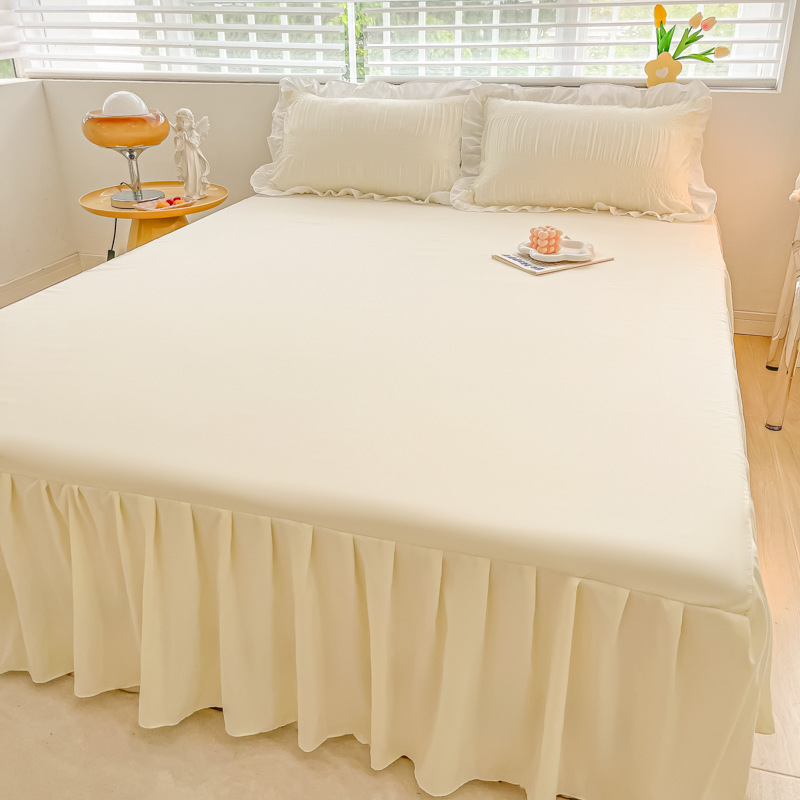
Before detailing how to set up bed sheets, it's important to understand the different types and materials available. Each type serves a unique purpose and offers distinct comfort levels. Choosing the right bed sheet depends on personal preferences, climate, and the intended use of the bed (e.g., guest room or everyday use).
Setting up bed sheets properly takes precision and patience. Follow these steps to create a flawless, comfortable, and inviting bed.
Start by stripping the bed of old sheets and bedding, if applicable. Ensure the mattress is clean and free from dirt, dust, or stains. If necessary, vacuum your mattress or use an appropriate mattress protector to safeguard against allergens and spills.
Cover the mattress with a protector to shield it from spills, stains, and wear. A mattress protector not only extends the lifespan of your mattress but also contributes to better hygiene. Smooth out any wrinkles to ensure an even surface for the fitted sheet.
Position the fitted sheet over the mattress. Locate the corners with elastic bands and fit them snugly over the corners of the mattress. Start with one corner, move to the diagonally opposite corner, and repeat until all corners are secured. For larger mattresses, such as king-sized beds, you may need to pull and adjust the sheet several times to get a perfect fit.
Spread the flat sheet evenly over the fitted sheet, allowing the edges to hang evenly on both sides of the bed. If using a flat sheet for traditional bedding, tuck the edges under the mattress starting at the foot of the bed. You can also create neat hospital corners by folding the corners to form a triangle and tucking them tightly underneath the mattress.
Place the duvet or blanket on top of the flat sheet, ensuring it is centered. If using a duvet cover, insert the duvet by aligning its corners with the inside corners of the cover. Shake and adjust the duvet until it fits uniformly within the cover. Smooth out any wrinkles for a polished appearance.
Insert pillows into their pillowcases, ensuring the fabric lies flat and the pillow fills out the corners of the case. Arrange pillows symmetrically at the head of the bed for a functional and aesthetically pleasing setup. For decorative purposes, you can layer pillows by size, starting with larger ones at the back and smaller accent pillows in the front.
Inspect your bed for any wrinkles or uneven sections. Adjust the sheets, duvet, and pillows as needed to achieve a tidy and inviting appearance. If desired, add finishing touches such as throws or a bed runner for an added touch of elegance.
Making a bed may seem like a menial task, but following these expert techniques can make all the difference:
If your flat sheet tends to shift or wrinkle, double-sided bed tape can help keep it in place. Apply the tape discreetly along the edges to ensure your flat sheet stays neat and flat.
High thread count sheets typically offer superior comfort, durability, and appearance. While choosing the right material, prioritize quality over quantity for long-term satisfaction.
Adjust your bedding based on the season. For summer months, swap heavy blankets and duvets for lightweight sheets and breathable materials. In colder months, layer up with cozy blankets and flannel sheets for warmth.
Iron the flat sheet and pillowcases for a crisp look before setting up the bed. Alternatively, opt for wrinkle-resistant materials such as microfiber for easier maintenance.
If you're storing freshly laundered sheets, ensure they are folded neatly and compactly. This practice prevents unnecessary creases and helps maintain a polished look between washings.
Cleaning your bed sheets not only ensures hygiene but also prolongs their lifespan. Follow these guidelines to maintain the quality and comfort of your bedding:
Aim to wash bed sheets every week or two to remove sweat, skin cells, and dirt accumulation. Washing frequency may vary based on usage, climate, and personal preferences.
Pay close attention to care labels and washing instructions. Certain materials, such as silk or linen, may require gentle washing cycles or specialized detergents.
When not in use, store bed sheets in a cool, dry place to prevent mold, mildew, or musty odors. Avoid plastic bags, which can trap moisture and lead to damage.
Maintaining multiple sets of bed sheets allows for periodic rotation, reducing wear and tear on any single set. This not only extends the life of your sheets but also gives you flexibility in styling your bedroom.
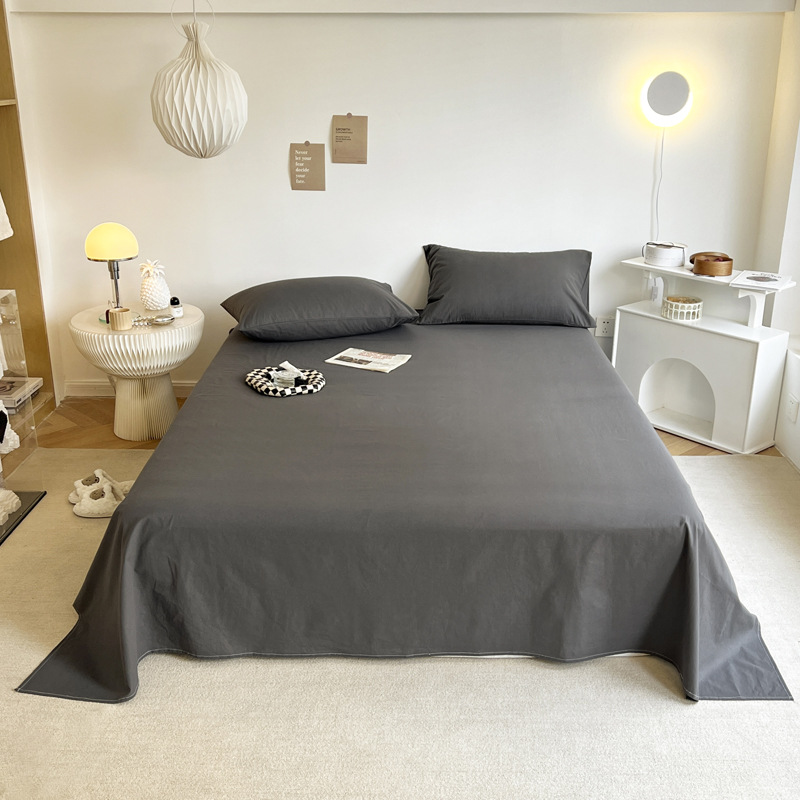
Setting up bed sheets is an essential part of creating a welcoming, comfortable sleeping environment. By understanding different sheet types and materials, following a systematic setup process, and prioritizing maintenance, you can achieve a professional and polished look for your bed. Use these tips and techniques to enhance your home or offer expert advice to customers looking to elevate their bedding experience.
Whether for personal use or for sale to discerning customers, mastering the art of setting up bed sheets is a valuable skill that pays dividends in comfort, style, and functionality. Begin perfecting your bed-making process today and enjoy the lasting benefits of an impeccably made bed.