Updatetime:2026-06-16 09:18:31 View:
Throw pillows are more than just decorative accents; they are an integral part of interior design that can add dimension, color, and texture to a space. Choosing the right throw pillows involves a thoughtful process that brings harmony to your living environment while serving as a bridge between comfort and style. This guide will cover various dimensions of selecting throw pillows, offering practical and actionable insights to meet diverse needs.
The first step in selecting throw pillows is understanding their purpose. Throw pillows can serve multiple roles, from enhancing comfort to contributing aesthetic value to your decor. Consider what you want to achieve with your throw pillows—do they need to provide support for your back while lounging, or are they there to unify your living room's color palette?
If your primary aim is comfort, then selecting pillows with appropriate firmness and size is crucial. Some prefer the sink-in feel of softer pillows, while others look for firm support. Understanding ergonomics is key, especially if the pillows will frequently be used for comfort.
When the aesthetic impact is a priority, focus on color, patterns, and texture. Throw pillows can make a statement or help create a subtle backdrop. Consider your current decor style, from modern and minimalist to cozy and traditional, and choose pillows that enhance your ideal aesthetic.
Sizes and shapes are essential factors that contribute to the visual and functional aspects of throw pillows.
Throw pillows come in various sizes like 16x16 inches, 18x18 inches, and 20x20 inches. Smaller pillows can be layered or added for a complex look, while larger ones usually stand alone as focal points. Gauge the space available on your sofa or bed and select sizes that don’t overwhelm or underplay.
Square pillows are classic, but don't shy away from experimenting with rectangular, round, or bolster shapes. Mixing shapes within the same space can add visual interest and varying comfort levels.
The choice of fabric impacts the durability and feel of a throw pillow. It's wise to consider how a fabric interacts with a space and your lifestyle.
Natural fibers such as cotton and linen are soft and breathable, ideal for pillows that you will frequently use. If your throw pillows are more for show, luxurious fabrics like velvet or silk may be appropriate. Consider maintenance requirements; some materials require special cleaning methods.
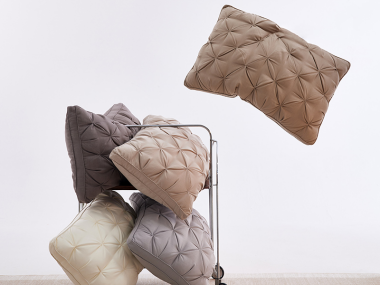
Textures can invigorate a space by providing visual complexity and tactile pleasure. Look for pillows with embroidery, tufting, or fringes to enrich a plain couch or chair. However, ensure that the textures align with the overall decor and don't clash.
Colors and patterns can make or break the cohesiveness of your decor. Knowing how to incorporate them tastefully is essential.
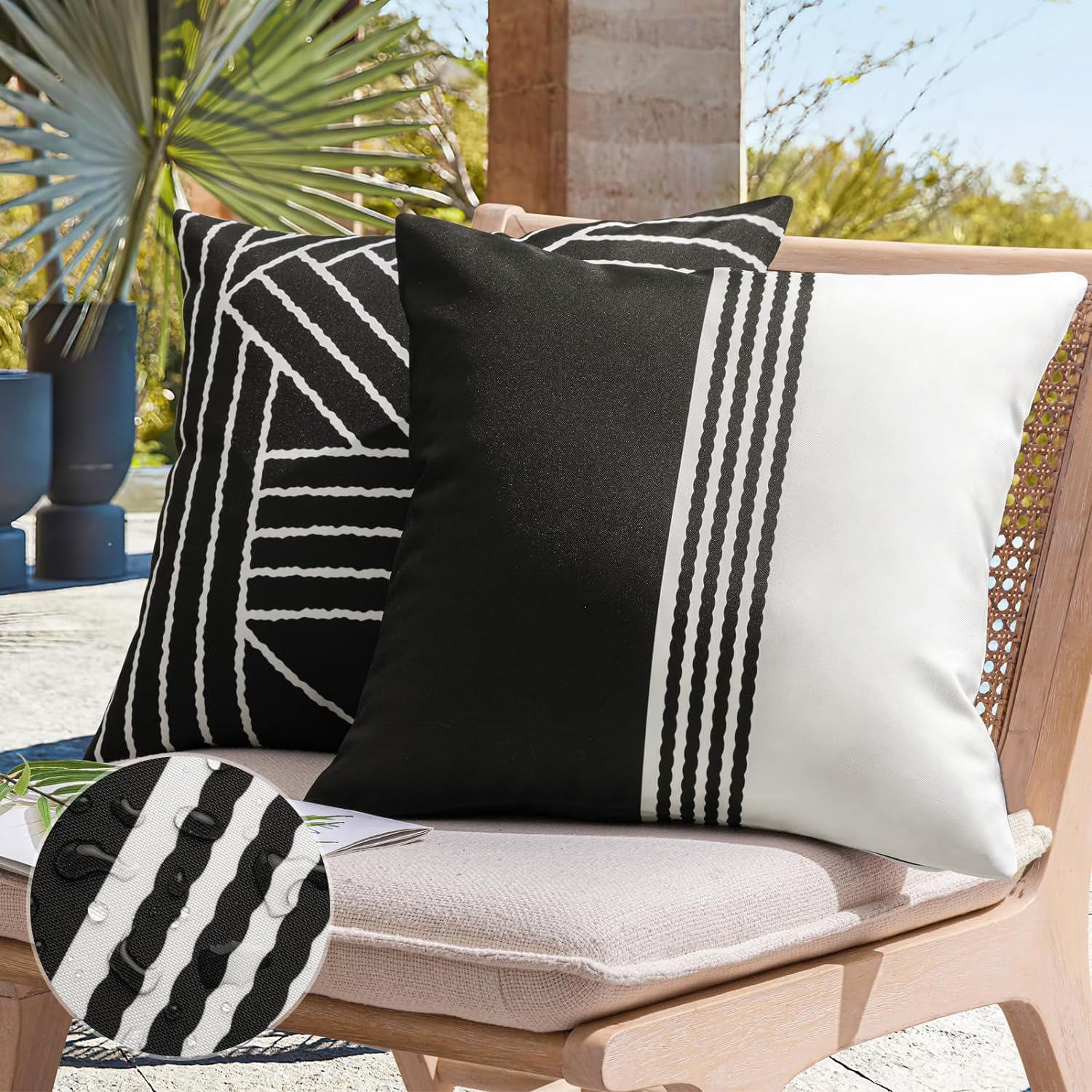
Consider the existing color scheme within your room. If your space is vibrant with various colors, opt for monochromatic or neutral pillows to prevent visual overload. Conversely, utilize bold colors to invigorate neutral spaces. Color blocking and gradient effects can add modern flair.
Patterns can be fun and unique but also risk becoming chaotic if mishandled. Balance geometric prints with solids, or mix florals with abstract motifs for eclectic yet harmonious decor. Pair patterns with room themes carefully to avoid mismatches.
Arrangement is an art that requires a keen eye for balance while layering pillows.
Start with anchor pillows that are larger or have dominant colors, then layer smaller, complementary, or contrasting ones in front. Use varying heights and depths to create visual layers.
Uniformity often leads to less engaging setups. Experiment with asymmetry by placing pillows unevenly on a sofa or bed. A thoughtful mess can sometimes be more inviting than strict order.
Your budget naturally influences the options available to you when choosing throw pillows.
Invest in fewer, higher-quality pillows when budget is tight, as they tend to have better durability and aesthetic appeal. Stretch your budget by looking for seasonal sales or opting for quality fabric over designer labels.
It may be worth considering sustainably sourced materials or ethical brands offering fair trade pillows. While these might sometimes have a higher upfront cost, their prolonged use and lifecycle can be beneficial economically and environmentally.
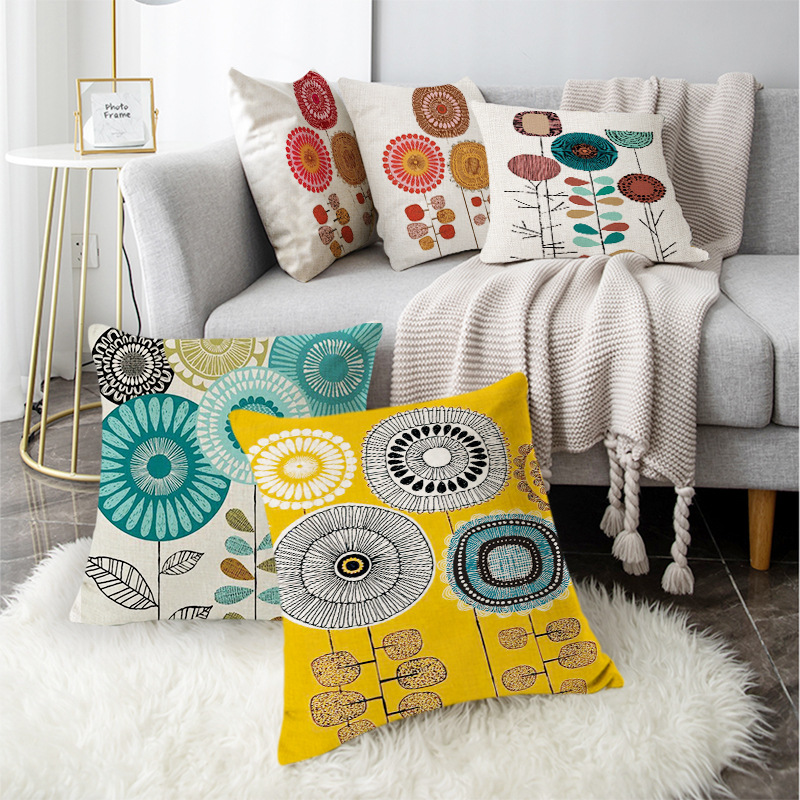
Ultimately, throw pillows should reflect your personality and the vibe you wish to create in your space. Experimenting with different elements—sizes, textures, colors, and arrangements—can lead to a space that is uniquely yours. Don’t be afraid to break traditional rules if it means infusing your home with personal style.
The process of selecting throw pillows can be a rewarding venture when approached thoughtfully and creatively. Whether it's comfort or style, or a mix of both, this guide is designed to empower you with the knowledge to curate a selection that complements your living environment beautifully.