Updatetime:2026-06-15 08:39:03 View:
Traveling can be an exhilarating experience, promising new adventures and memories. However, packing for these journeys can sometimes be daunting, particularly when it comes to managing bulky items like pillows. A pillow is not just an accessory; it is an essential tool for providing comfort and ensuring you get a good night's sleep. In this article, we will delve into the art of packing pillows for travel, offering practical advice and insights to make your journey smoother, more comfortable, and ultimately more enjoyable.
Pillows play an essential role in ensuring a restful and healthy travel experience. Here's why packing them properly is crucial:
Pillows provide vital support to your head and neck, which is particularly important when traveling on long journeys by plane, train, or car. A good pillow can help prevent aches and pains, allowing you to arrive at your destination relaxed and refreshed.
Using your own pillow can bring a sense of comfort and familiarity, which is reassuring, especially when staying in unfamiliar lodgings. This familiarity can ease stress, making it easier for you to unwind and enjoy your trip.
Bringing your pillow ensures that you maintain a specific standard of cleanliness, especially if you have allergies or sensitivities to particular fabrics or materials found in hotel pillows. This can prevent potential health issues and discomfort during your travels.
Pillows aren't just for sleeping; they can also be used for lower back support during long flights, as cushioning in less comfortable seats, or even doubled-up for an impromptu pillow fight with fellow travelers. They offer flexibility which can be invaluable throughout different scenarios and destinations.
Not all pillows are created equal, and selecting the right one for travel is crucial to ensuring ease and comfort. Consider the following factors:
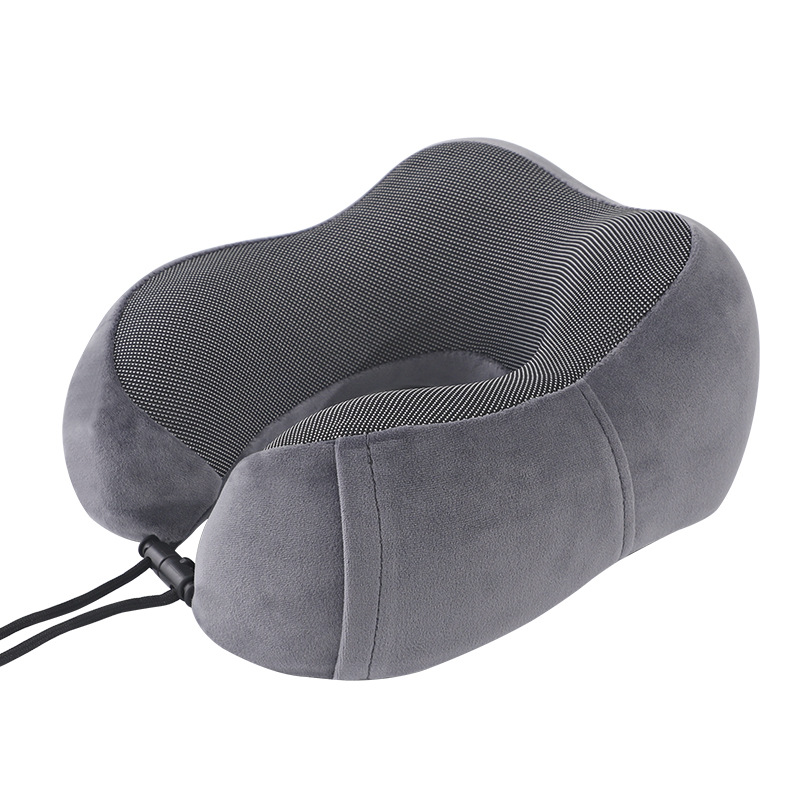
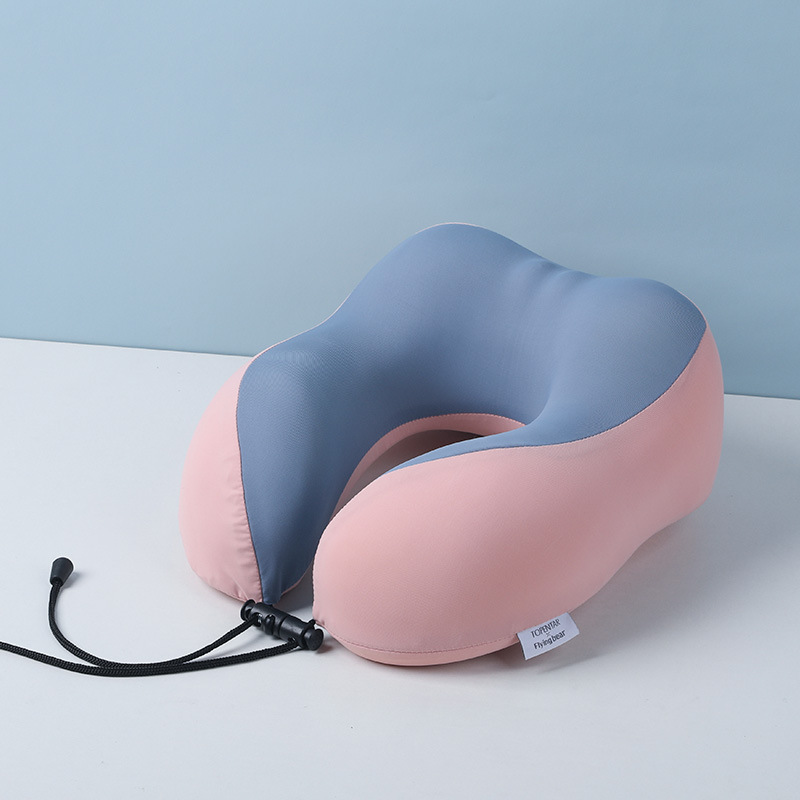
Travel pillows come in a variety of shapes and sizes. For air travel, a U-shaped neck pillow might be beneficial as it provides support while seated. If you're driving, a small, rectangular pillow can offer additional lumbar support.
Evaluate the nature of your trip to decide which size and shape will best suit your needs.
Foam, memory foam, microbeads, air-filled, and fiber-filled are popular materials for travel pillows. Memory foam offers excellent support and comfort, while air-filled pillows are compact and easy to pack. Choose a material that's comfortable and aligns with any personal preferences or health considerations, such as allergies.
Portability is crucial for travel pillows. Look for pillows that can be easily compressed or folded without losing their shape. Some pillows come with travel bags that help them pack down to a smaller size, making them easy to slip into luggage without wasting space.
Travel pillows with added features such as washable covers, attached carrying straps, or the ability to inflate and deflate quickly can offer extra convenience. Assess your needs and find a pillow that elevates your travel experience.
Ensuring your pillow is packed properly can save space and preserve its integrity. Here's how:
Compression bags or vacuum bags are a godsend for packing bulky items like pillows. These bags allow you to remove air, significantly reducing the volume without damaging the pillow. Simply place the pillow inside, seal it, and use a vacuum or manually roll out air. They are particularly effective for memory foam or fiber-filled pillows.
For a more straightforward technique, consider rolling your pillow tightly and tucking it into your luggage. This method works best for smaller, softer pillows. Once rolled, secure it with a band or use packing space between other items to keep it compressed.
Instead of packing your pillow in luggage, consider using it as a carry-on item. Airplane neck pillows can be worn around your neck during travel, saving space in your carry-on. Other pillows can be attached to your luggage handles using clips or strapped outside your backpack.
Utilizing modular packing cubes can help organize your suitcase more efficiently. Choose cubes specifically sized for your pillow. This separates it from other items and reduces wear and tear during transit.
It's not just about how but where to pack your pillow:
Consider the accommodations at your destination. If staying in a hotel that provides high-quality bedding, you might opt for a smaller pillow, while camping or staying in less equipped lodgings might require a larger, more luxurious pillow for comfort.
The type of transportation used influences packing strategies. Compact and foldable pillows fare well on airplanes due to space limitations, whereas larger pillows may be suitable for car travel where space constraints are less demanding.
Always check the baggage policy of your airline or transportation service. Ensure your packed pillow does not exceed weight or size limitations for luggage, avoiding potential fees or inconvenience.
Packing pillows might seem like a minor task in the grand scheme of travel, but doing it properly can greatly enhance your overall travel experience. From the selection of the correct pillow to effective packing strategies and understanding practical considerations, attention to detail ensures comfort, hygiene, and convenience. With these insights and techniques, traveling with your favorite pillow becomes effortless, allowing you to focus on the adventure ahead while ensuring restful, rejuvenating breaks along the way.
Approach packing your travel pillow with forethought and care to maximize its benefits, so you can spend your journey exploring with joy and comfort rather than frustration or discomfort.