Updatetime:2026-06-11 08:38:54 View:
Throw pillows are a versatile and functional decor element that can transform the ambiance of any room. Whether you're looking to update your existing decor or purchase new covers, ensuring the perfect fit is crucial for achieving a polished and cohesive look. Measuring your throw pillows accurately not only enhances the aesthetic appeal but also prolongs the life of both the pillows and the covers. In this article, we will explore how to measure throw pillows for covers in detail, offering you practical, actionable advice and valuable insights.
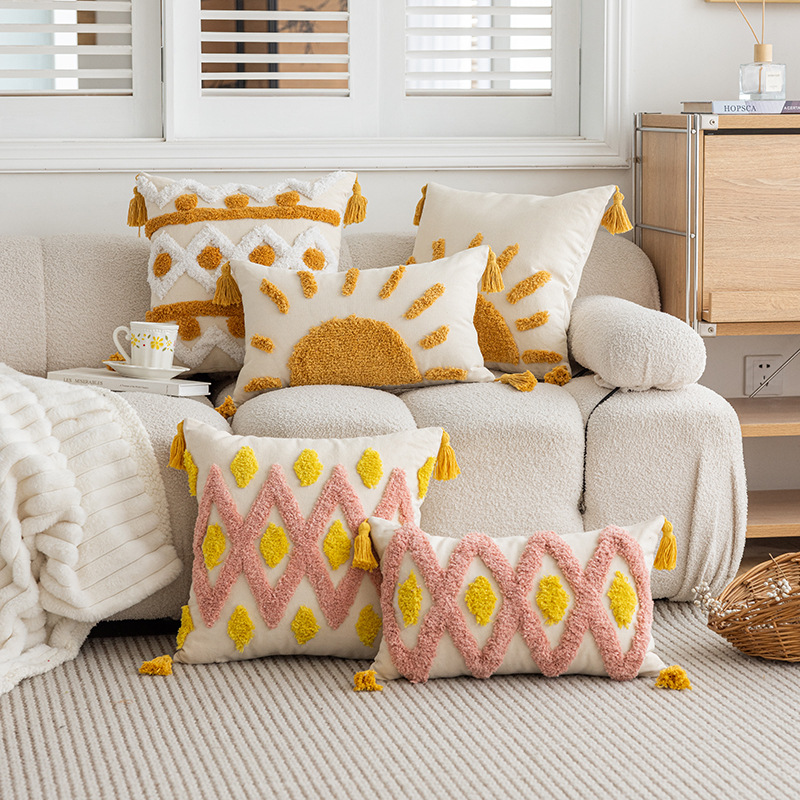
Accurate measurements are fundamental when buying or crafting throw pillow covers. Ill-fitting covers can lead to numerous issues:
Therefore, getting the right measurements will enhance both the functionality and appearance of your pillows, allowing them to serve their decorative and comfort purposes effectively.
Before we dive into the specifics of measuring your throw pillows, it's essential to gather the necessary materials. These are:
Begin by finding a clean, flat surface on which to work. Lay the pillow flat, ensuring it's free from any creases or bulges. This step is crucial to obtaining accurate measurements.
With the pillow laid flat, place your measuring tape across the pillow’s widest part from edge to edge. It’s important to measure from seam to seam, rather than from the center or across any bulging areas, to obtain the most accurate dimension. Make a note of this measurement in inches or centimeters, depending on your preferred system.
Turn the pillow and measure its height in the same manner as the width. Align your measuring tape from seam to seam across the longest edge of the pillow. Record this measurement as well.
The type and density of the pillow fill can affect the cover size you need. A fuller pillow may require a slightly larger cover for a snug fit, while a less dense pillow might fit better in a cover of the same dimensions or even slightly smaller. Pay attention to any specifications the manufacturer provides regarding fill type and size variance.
While not always necessary, measuring the thickness or “loft” of the pillow can be beneficial, especially for custom covers. To do this, stand the pillow upright on its side and use your measuring tape to assess its thickness from front to back. Notate this dimension if it's relevant to your cover design or if padding volume affects your cover choice.
Once you have your pillow measurements, selecting the appropriate cover size is straightforward. The standard practice is to choose a cover that matches your pillow's dimensions for a snug fit. However, if your goal is to achieve an ultra-plump or relaxed look, you may adjust accordingly:
Avoiding common mistakes in measuring throw pillows can save you time and energy. Here’s what to watch out for:
Not Double-Checking Measurements: Always remeasure to ensure accuracy and double-check notes for potential errors.

Measuring throw pillows correctly is a skill that ensures you select the perfect covers to complement your home decor. Precise measuring leads to a well-fitted and visually appealing home aesthetic. By following the guidelines laid out in this comprehensive guide, you will not only enhance the appearance of your pillows but also extend their lifespan and comfort. Whether for personal use or for selling to customers who cherish quality and style, mastering this process is invaluable.