Updatetime:2026-06-08 09:30:45 View:
Throw pillows are a versatile and inexpensive way to add personality and style to any room. Whether you're redecorating your living space or simply looking to refresh your decor, creating your own throw pillow covers can be a rewarding endeavor. In this article, we will guide you through the process of making a cover for a throw pillow, offering insights and practical advice to ensure your project is successful, professional, and tailored to your needs.
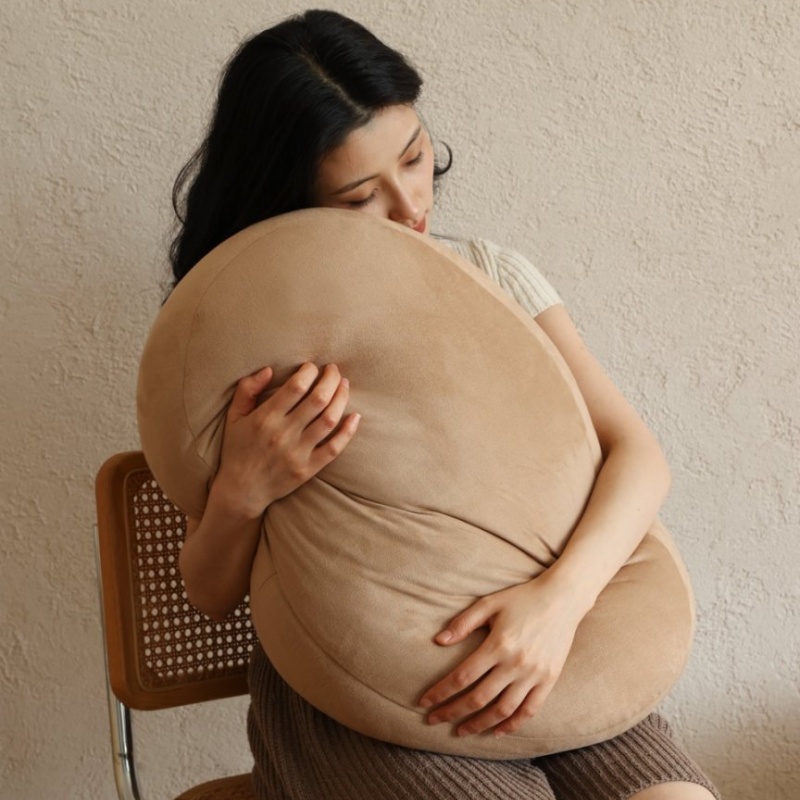
Before you begin crafting your pillow cover, it is essential to understand the materials and tools required for the project. This preliminary step ensures that you are well-prepared and that your final product meets your expectations.
The following materials are essential for creating a throw pillow cover:
Having the correct tools will streamline your project:
Now that you have gathered your materials and tools, it's time to start creating your throw pillow cover. Follow these detailed steps to ensure a professional finish.
Begin by measuring your pillow insert. For a snug fit, add an extra inch to your measurement on each side to account for seam allowances. For example, if your pillow insert is 18x18 inches, cut two fabric squares each measuring 19x19 inches.
Lay out your fabric on a flat surface. Use your measuring tape and fabric scissors to cut out two identical squares or rectangles based on your measurements. If your fabric has a pattern, ensure the design aligns properly on both pieces.
Place the two fabric pieces together with the right sides facing each other. Align their edges carefully and pin them in place. Sew around three sides of your fabric squares using a straight stitch, leaving one side open to insert the pillow.
The fourth side of your pillow cover requires a closure method that retains the insert securely while offering easy access. You can choose from several options:
Once your closure is complete, turn the fabric right side out. Ensure all seams are properly pressed and check for any loose threads. Insert your pillow gradually to avoid excessive force that may stretch the fabric or seams.
Verify the alignment of the pillow cover with the insert. Adjust if necessary to ensure a tailored fit. If you spot any minor imperfections, correct them using additional stitching or reshaping.
To elevate your pillow cover project, consider the following tips:
Creating throw pillow covers is an excellent opportunity for personal expression. Here are some ways to further personalize your project:
Craft pillow covers that align with seasonal holidays or changes. For instance, use themed fabrics or colors corresponding to Christmas, Halloween, or springtime.
Add a personal touch with monograms, names, or text created using embroidery or fabric paint. This could reflect a family name, inspirational word, or meaningful quote.
Create sets of pillow covers in varying designs to enhance diversity in texture and visual appeal. Mix and match different styles, patterns, and colors.

Making your own throw pillow covers provides you with unparalleled customization opportunities, allowing each creation to reflect your unique style and preferences. With careful preparation and thoughtful execution, this project can be both enjoyable and enriching. Expand your creativity by experimenting with fabrics, closures, and designs for results that rejuvenate your living space.
By following these comprehensive instructions, you are well-equipped to embark on your pillow cover-making journey with confidence, enhancing your home decor with your personalized artistic flair.