Updatetime:2026-06-05 09:00:04 View:
In today’s diverse and design-savvy world, personalization has become a key element in the creation of home décor items. Among these, custom pillows have surged in popularity, offering a unique blend of style, comfort, and personality. Whether you are a business looking to expand your product line or an individual seeking to add a personal touch to your living space, understanding how to get custom pillows made can be both rewarding and enlightening. This article will guide you through the process of creating bespoke pillows, exploring various dimensions from design considerations to production and logistics.
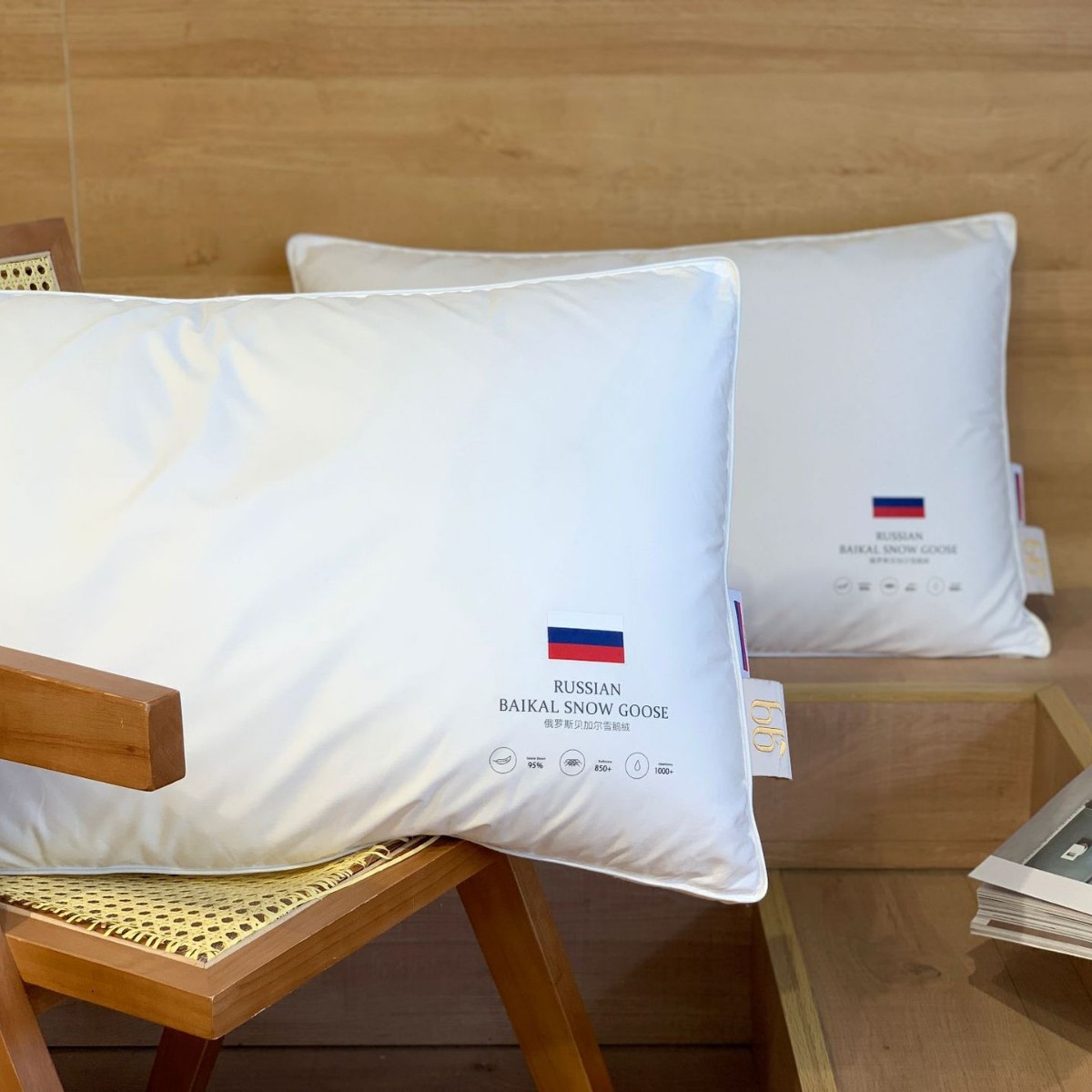
Custom pillows are more than just functional items; they are a canvas for creativity and personal expression. Opting for customized pillows allows you to tailor every aspect, from fabric and design to size and shape, ensuring the final product perfectly aligns with your vision and needs.
Whether it's for a cozy home environment or a dynamic office space, custom pillows can reflect personality and style. They allow for the expression of themes, colors, and trends that resonate with your identity or brand ethos, making a bold statement.
Custom pillows serve as excellent gifts for various occasions, from weddings and anniversaries to corporate events. Their personal touch and uniqueness set them apart from conventional gifts, leaving a lasting impression on the recipient.
For businesses, custom pillows offer an attractive branding opportunity. They can feature logos, slogans, or brand colors, serving as merchandise or promotional items that enhance brand visibility and recognition.
Before delving into the production process, it's crucial to finalize the design elements that will define your custom pillows. Here's a breakdown of key considerations:
The choice of fabric plays a pivotal role in the aesthetics, durability, and comfort of your pillow. Cotton, linen, and velvet are popular options, each offering distinct textures and finishes. When selecting fabrics, consider the pillow's intended use and the level of comfort required.
Design involves both visual and practical elements. Decide on patterns, colors, and any specific imagery or text you want to include. This is an opportunity to collaborate with designers if necessary, to create something unique and visually appealing.
Pillows come in various shapes, including square, rectangular, round, and even custom shapes. Determine the size and shape based on the market demand or personal requirements. This decision impacts not only the look but also functionality in various settings.
The fill material affects the pillow's comfort and support level. Choices typically include polyester, memory foam, and down feathers. Each material offers different benefits and price points, impacting overall cost and product quality.
Understanding the production process is crucial whether you are working with a manufacturer or planning a DIY project. Here’s a step-by-step overview of what the production entails:
Before mass production, creating a prototype can help visualize the final product, ensure design accuracy, and make necessary adjustments. This stage may involve detailed discussions with manufacturers or artisans to fine-tune details.
Seek manufacturers that specialize in textiles and have experience in producing custom-made items. Research thoroughly, evaluate their previous work, and ensure they can meet your design requirements and production timeline.
Material sourcing is a collaborative effort between you and the manufacturer. Ensure the selected materials align with your quality expectations and ethical production standards, where necessary.
Budget considerations encompass fabric costs, printing, labor, and shipping. Discuss and finalize pricing structures, keeping the production volume and material choices in mind to avoid unexpected expenses.
Successful production and delivery rely heavily on efficient logistics and supply chain management. Here are some pointers to ensure a smooth process:
Implement order tracking systems to monitor progress at each stage of production. Timely updates can help anticipate delays and facilitate better communication with stakeholders and clients.
Implement stringent quality control measures to ensure each pillow meets the set standards before leaving the production unit. This could involve setting up onsite inspections or relying on third-party quality assurance services.
Plan your shipping strategy with precision. Whether utilizing in-house logistics or third-party providers, ensure timely and safe delivery of the product to its destination. Consider local and international shipping costs, taxes, and regulations to avoid potential hiccups.
While creating custom pillows is an endeavor in itself, effective marketing strategies are essential to bring them into the limelight. Here's how you can achieve that:
Develop a robust online presence through websites and social media platforms. Utilize high-quality images, engaging content, and SEO strategies to attract and engage potential customers.
Identify and target niche markets that would particularly value customization, such as interior designers, boutique hotels, and themed cafés. Craft personalized marketing messages that resonate with these segments.
Collaborate with influencers and partners in the home décor industry to increase reach and credibility. Reviews, testimonials, and shared content can boost brand loyalty and exposure.
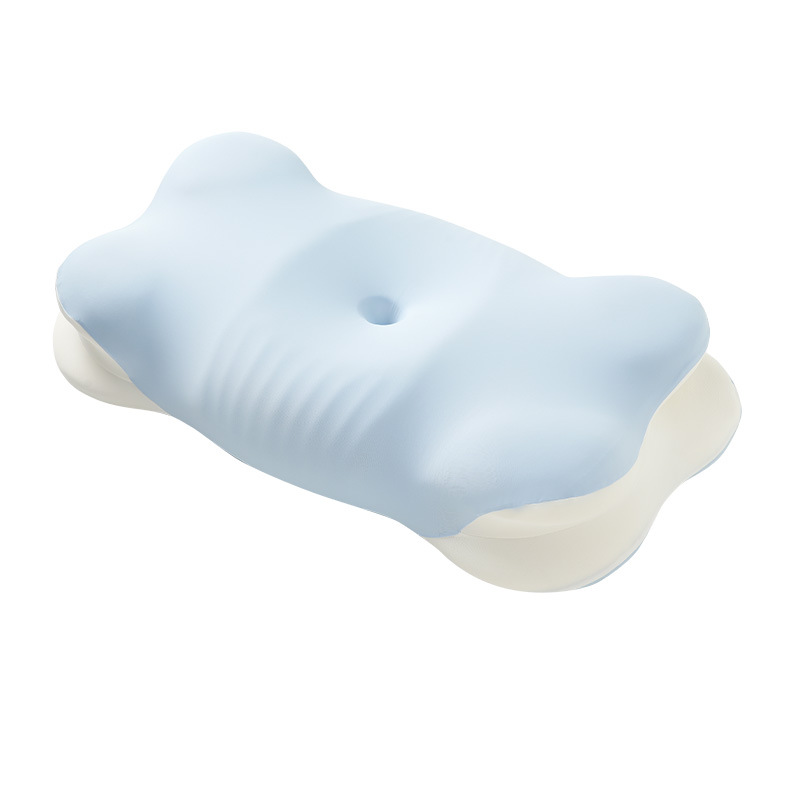
The world of custom pillows is rich with possibilities, balancing creativity with technical precision. From selecting fabrics and designs to understanding the manufacturing and marketing spectrum, each phase contributes to the creation of a unique product that resonates with individual and market needs. Whether you are embarking on this journey for personal satisfaction or business expansion, following these structured guidelines will ensure your custom pillows stand out for their quality and distinctiveness.