Updatetime:2026-06-02 08:16:49 View:
A memory foam pillow is a popular investment for anyone looking to achieve a restful night of sleep. These pillows are known for their comfort, support, and durability. However, proper maintenance is critical to ensure the longevity of your memory foam pillow. One of the most important aspects of maintenance is learning how to effectively dry your pillow after cleaning or accidental moisture exposure. Improper drying techniques can damage the foam, compromise the pillow's structure, and even lead to mold or mildew buildup. In this in-depth guide, we’ll explore the best methods and practices for drying a memory foam pillow safely and efficiently.
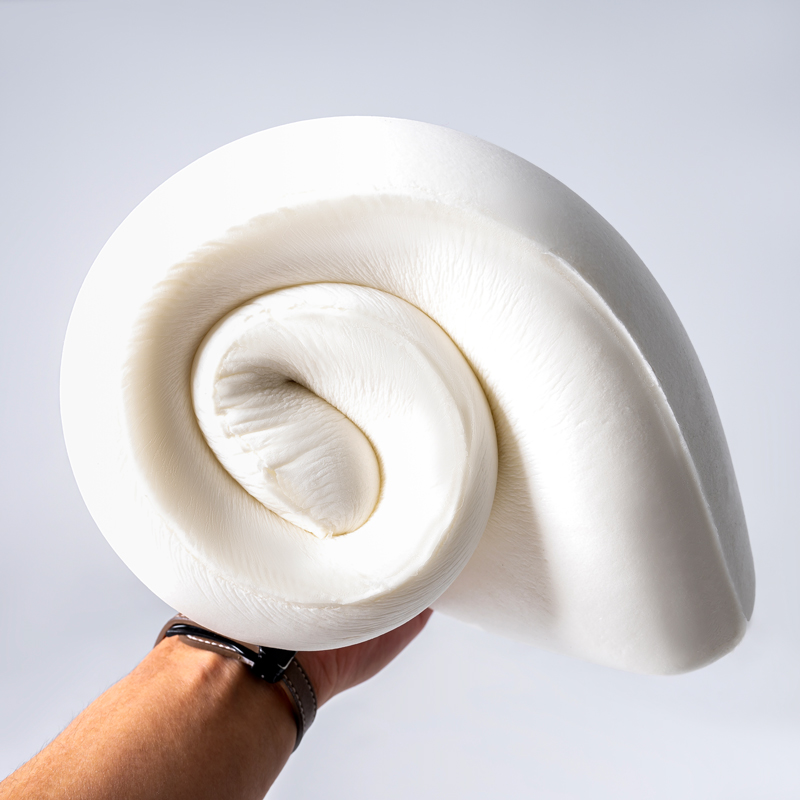
Memory foam pillows are designed to contour to your head and neck, making them sensitive to moisture. While they can be washed carefully, drying them requires special attention because of their dense material composition. Incorrect drying methods may lead to:
Understanding the nuances of memory foam is key to ensuring your pillow remains fresh, hygienic, and supportive for years to come. The following tips will guide you through the process step-by-step.
After washing your memory foam pillow, the first step is to remove as much excess water as possible. Memory foam tends to soak in water because of its porous structure, so thorough water extraction is critical to accelerate the drying process.
Here’s how to effectively remove excess water:
Never use excessive force when removing water from memory foam, as it is delicate and prone to tearing.
Air drying is the safest method for drying memory foam pillows because it prevents overheating and distortion. Follow these essential tips to air dry your pillow correctly:
Air drying can take several hours or even a full day, depending on the humidity level and thickness of the pillow. Patience is key to ensuring optimal results.
If you’re pressed for time or want to accelerate the drying process, certain household appliances can be used carefully to dry your memory foam pillow. However, always exercise caution when utilizing these devices:
Always avoid using a clothes dryer or other high-heat methods. Most memory foam pillows cannot withstand tumble drying, and this may lead to irreversible damage and loss of function.
Before you return the pillow to regular use or place it back in its pillowcase, it’s critical to confirm that it has dried completely. Even a small amount of residual moisture may lead to unpleasant odors or mold growth.
To verify dryness:
If you detect any lingering moisture, continue air drying until the pillow is 100% dry.
Aside from drying techniques, preventing unnecessary exposure to moisture in the first place is essential to keeping your memory foam pillow in excellent condition. Here are some preventative tips:
When drying memory foam pillows, mistakes can happen if you’re not familiar with the proper procedures. Here’s what you should avoid:
Rushing the process: Skipping steps or cutting corners may lead to improperly dried foam, creating room for odors or mold.
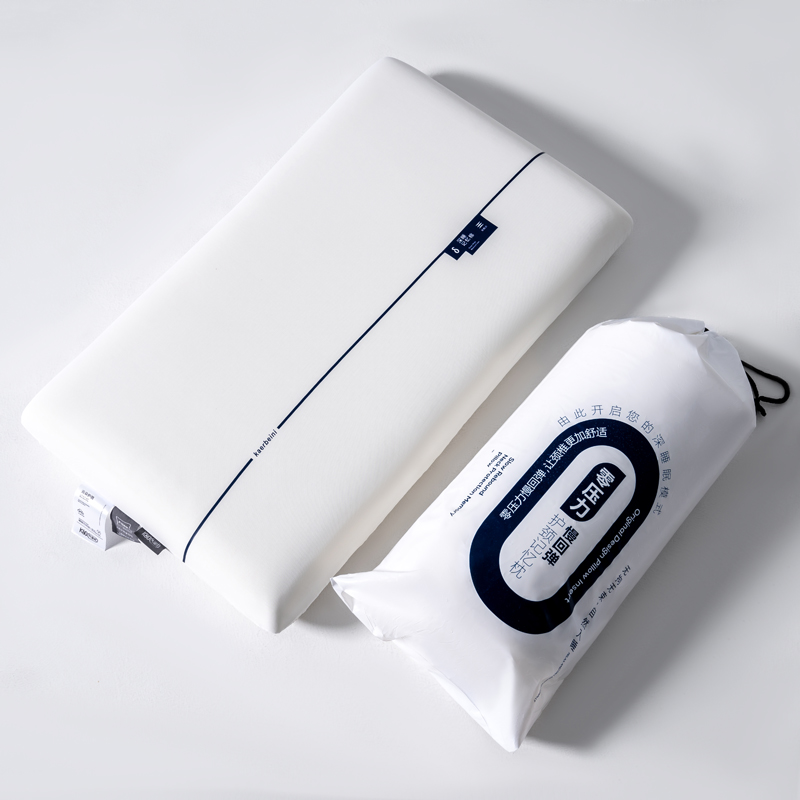
Properly drying a memory foam pillow is essential for maintaining its quality, cleanliness, and longevity. While the process may require more time and care compared to drying other types of pillows, the effort pays off by preserving the value of your investment. By following the guidelines above, you can ensure your pillow stays fresh, hygienic, and supportive for years to come.
Remember, patience and attentiveness are key when taking care of memory foam. With the right approach, you’ll enjoy the lasting comfort and benefits of your memory foam pillow night after night.