Updatetime:2026-06-01 09:28:12 View:
When it comes to interior decorating, the devil is often in the details. One of the most effective yet underestimated elements of home design is the pillow—an accessory that brings comfort, color, and personality to your living space. Decorating with pillows on a couch involves more than just tossing a few into your seating arrangement; it's an art that can transform the ambiance of a room when done correctly. This guide will delve into the myriad dimensions of decorating with pillows on a couch, offering you practical, actionable advice that caters to a wide range of styles and preferences.
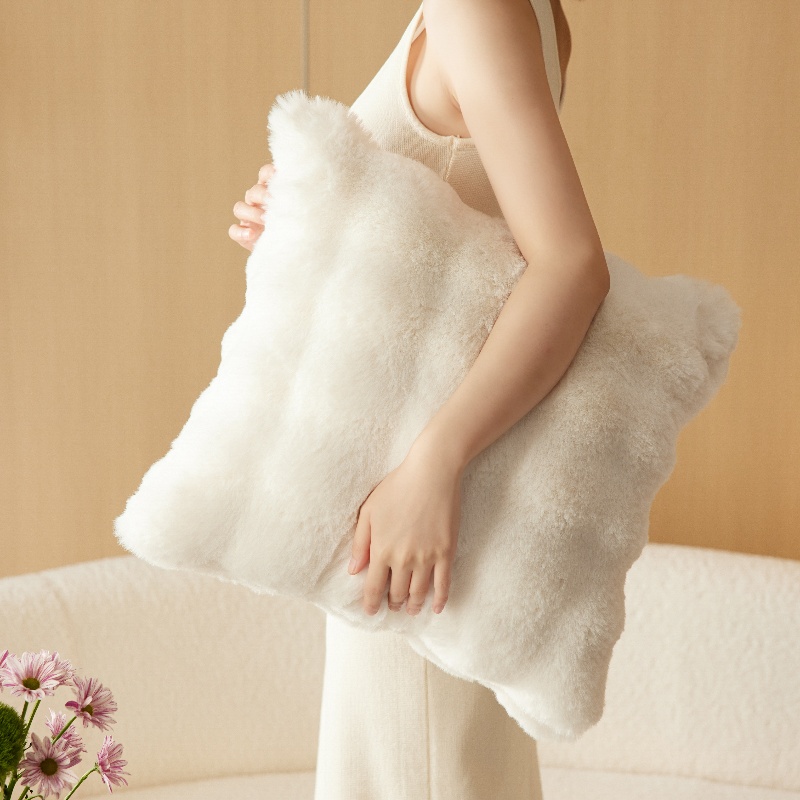
Pillows come in various shapes, sizes, and materials, each offering unique aesthetic and functional benefits. Knowing these basics can help you make informed decisions for your couch décor.
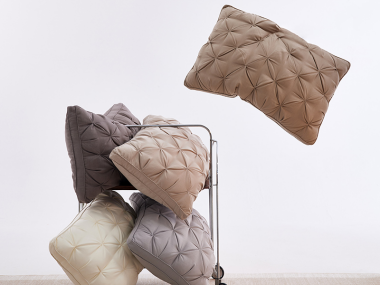
The most common pillow shape is the square, which is versatile and timeless. Rectangular pillows, also known as lumbar pillows, offer excellent back support and can break the monotony of square designs. Round pillows can serve as focal points or accents and add a touch of whimsy. Bolster pillows, typically cylindrical, are perfect for adding elegance to a sophisticated setting.
Standard sizes for square pillows range from 16 to 24 inches. Larger pillows bring more comfort, but smaller pillows serve decorative purposes, enabling the layering of different textures and colors. Make sure to choose sizes that complement both the scale of the couch and the room.
Material choice directly impacts both the look and feel of pillows. Cotton and linen offer a casual, breathable option suitable for everyday use. Velvet and silk introduce luxury and sophistication, but can be more suitable for formal or special occasions. For eco-friendly options, consider materials like recycled fibers or organic cotton.
To achieve a harmonious design, consider the color palette of your room and existing furniture. Color theory can guide your choices, helping you balance hues to create a visually appealing arrangement.
Complementary colors sit opposite each other on the color wheel—like blue and orange—and can create vibrant contrast. If you prefer a subtler aesthetic, opt for analogous colors, which are adjacent on the wheel, such as blue and green.
A monochromatic scheme uses various tints and shades of a single color to produce a tranquil, cohesive design. This approach works well in modern settings where simplicity is desired.
Neutral colors like beige, gray, or white easily match most couches and room styles. They can serve as a versatile backdrop, allowing more vibrant pillows to pop as accent pieces.
Texture and pattern play a major role in how pillows can enliven your couch décor. They add depth, complexity, and intrigue.
Various textures can evoke different moods. Smooth silk or velvet brings luxury while chunky cotton or knitted wool offers a cozy feel. Mixing textures can intrigue the senses, making your surroundings more engaging.
Patterns add visual interest and help break up monotonous color schemes. Stripes and polka dots can introduce a playful element, while geometrics and florals suit more traditional settings. Mixing patterns is encouraged, but stay within similar color schemes for cohesive results.
The arrangement of pillows can drastically alter the look of your couch. Finding the right balance is essential for achieving an inviting setup.
A symmetrical arrangement offers formality and order, often suitable for traditional or minimalist settings. Asymmetrical arrangements create a dynamic, eclectic feel, perfect for artistic or relaxed environments.
Layering involves stacking pillows of different sizes, shapes, or textures to create depth. Start with the largest pillows at the back and gradually move to smaller accents. This approach not only provides visual interest but also invites guests to interact with the arrangement.
Pillow arrangements can also change according to seasons or events, providing customization and variety for your living space.
Seasonal changes invite alterations to your pillow décor. Encourage warmth in winter with rich, heavy textures like wool or velvet. In summer, opt for lighter fabrics and brighter colors to lift the mood. Holiday-themed pillows with specific motifs can bring a festive touch.
Whether it's a birthday party, or a casual gathering, tailor your pillow setup to suit the event. Bright, bold patterns can electrify a lively setting, while calmer, pastel shades suit intimate gatherings.
Pillows not only need to look good; they must also withstand wear and tear. Consider these maintenance tips to extend the longevity of your pillows.
Most pillow covers can be removed for washing. Regular cleaning is crucial, particularly for materials prone to dirt and stains. Always follow the manufacturer's care instructions.
Pillows naturally lose shape over time. Replace inserts or covers as needed to ensure continued comfort and visual appeal.
Rotate pillow collections seasonally, using storage bins to keep them organized. This approach helps preserve the quality and vibrancy of pillows not in use.
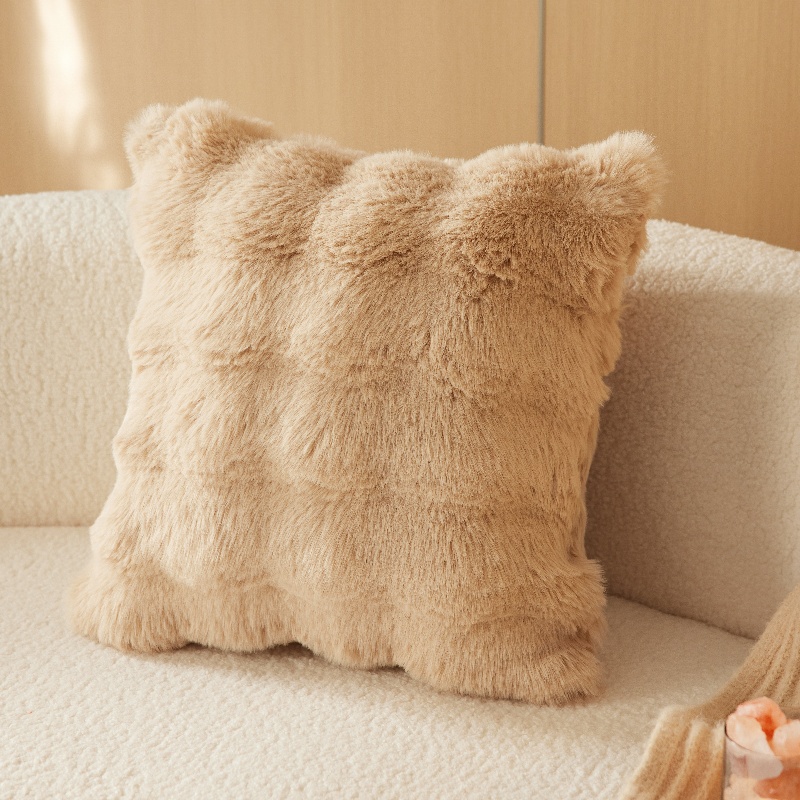
Decorating a couch with pillows is an impactful way to enhance the ambiance of your living space. By understanding the nuances of pillow types, colors, textures, and arrangement techniques, you can create a couch setup that is both inviting and aesthetically pleasing. Through thoughtful selection and positioning, your pillows can elevate the entire room, reflecting your personal style and maintaining a dynamic environment suited to your lifestyle. Embrace the art of pillow decorating to curate a space that is both stylish and comfortable.