Updatetime:2026-05-29 08:31:17 View:
In a world where personalization is prized, customizing a pillow can transform a mundane item into a unique masterpiece that reflects individual style and comfort preferences. Whether you're looking to enhance home décor, seek a perfect gift, or diversify your product range on a foreign trade independent website, understanding how to customize a pillow is essential. This comprehensive guide explores various dimensions of pillow customization, offering practical, actionable advice and valuable insights.
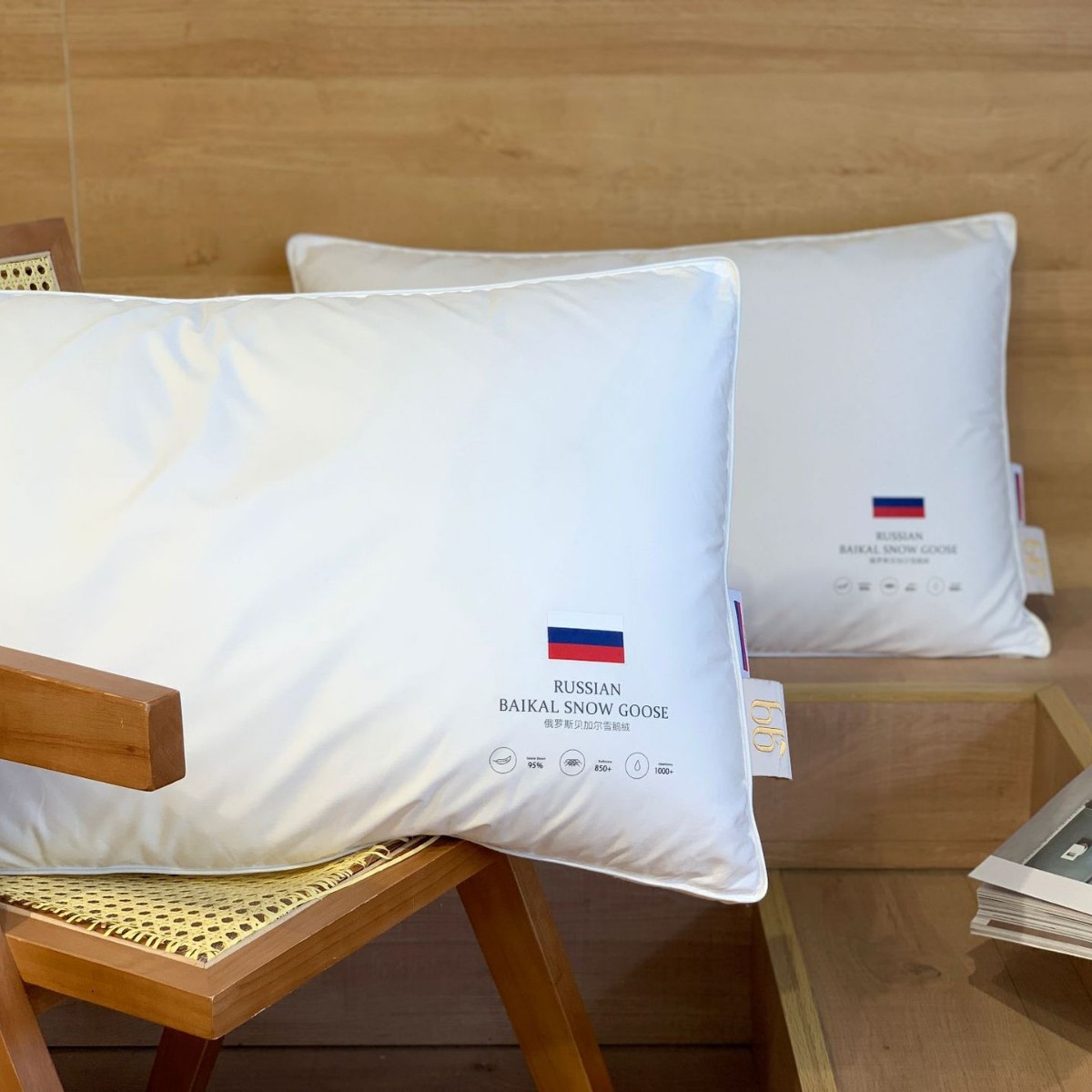
Customizing a pillow involves altering its design, texture, or filling to meet specific aesthetic or functional needs. This process can range from simple monogramming to intricate design integrations, impacting the pillow's look, feel, and utility. Before diving into customization processes, it is crucial to understand your purpose and target audience, whether you are a consumer, a retailer, or a manufacturer.
First, determine what you aim to achieve with the customized pillow. Are you personalizing it for your home, a gift, or as a product offering on a website? Understanding your audience—or yourself—will guide design choices and materials. For instance, a decorative pillow for a teenage room might emphasize bright colors and trendy designs, while a corporate gift pillow might focus on elegance and subtle branding.
Pillows come in various shapes, sizes, and types, from standard bed pillows to decorative cushions and bolster pillows. Identifying the purpose of the pillow will help in selecting the right type. Decorative pillows for couches will differ significantly in material and design compared to ergonomic bed pillows, which focus on comfort and health.
After identifying the type of pillow, the next step is to select materials and design elements that will enhance its appeal and functionality. Consider factors like fabric quality, print durability, and the sustainability of materials.
The choice of fabric is crucial for both the aesthetic appeal and the comfort of the pillow. Common fabrics include cotton, silk, polyester, and linen, each offering distinct textures and durability levels. If sustainability is a priority, consider organic cotton or bamboo fabrics.
Fill materials impact comfort and longevity. Options include feather down for luxury, memory foam for support, and synthetic fibers for hypoallergenic properties. Depending on the use, some might prefer firm support while others favor plush softness.
Patterns and colors define the visual impact of a pillow. When selecting these elements, consider the existing color palette and style of the space where the pillow will reside. Opt for patterns that complement or contrast with the current décor for a cohesive or striking look.
Digital printing technologies now enable highly detailed designs to be imprinted, offering endless possibilities for customization. For a more traditional look, embroidery provides a texture-rich alternative that adds elegance and dimension.
For those looking to go beyond basic design elements, advanced customization techniques can significantly enhance a pillow's uniqueness and appeal.
Embroidery adds a tactile element to pillows, which can elevate simple designs to something extraordinary. Monogramming, on the other hand, offers a personalized touch that is perfect for gifts or branding. Both techniques can be performed manually or via machines, with the latter offering precision and consistency for bulk production.
Appliqué involves sewing patches of fabric onto the pillow surface to create designs or motifs, adding texture and depth. Patchwork, meanwhile, combines various fabric pieces to produce intricate designs, suitable for a rustic or eclectic aesthetic.
Customization doesn’t end at creation. Proper care ensures that your customized pillows maintain their appearance and longevity.
Different materials and designs require specific maintenance routines. Always refer to the care instructions associated with the fabrics and fills. Many decorative pillows require spot cleaning or dry cleaning to maintain their design integrity, especially those with intricate embroidery or delicate fabrics.
When not in use, pillows should be stored in a cool, dry place to avoid moisture damage. Replace inserts periodically to maintain the pillow’s shape and comfort. Ensuring the storage conditions align with the pillow’s material durability will prolong its aesthetic and functional life.
For businesses, offering customized pillows can diversify product lines and cater to niche markets. Whether boutique or large-scale distribution, understanding the market dynamics is essential for success.
Investigate current market trends and consumer preferences. Online platforms and social media can provide insights into popular designs and emerging customization features, enabling you to align your product offerings with consumer demand.
Utilize digital marketing tools such as social media advertising, search engine optimization (SEO), and email marketing to reach potential customers effectively. Engage with your audience through interactive content, such as customization previews, giveaways, or customer feedback channels.
Consistently delivering quality products will enhance your brand’s reputation. Implement quality assurance measures to ensure each customized pillow meets customer expectations. Gathering feedback enables continual improvement and builds a loyal customer base.
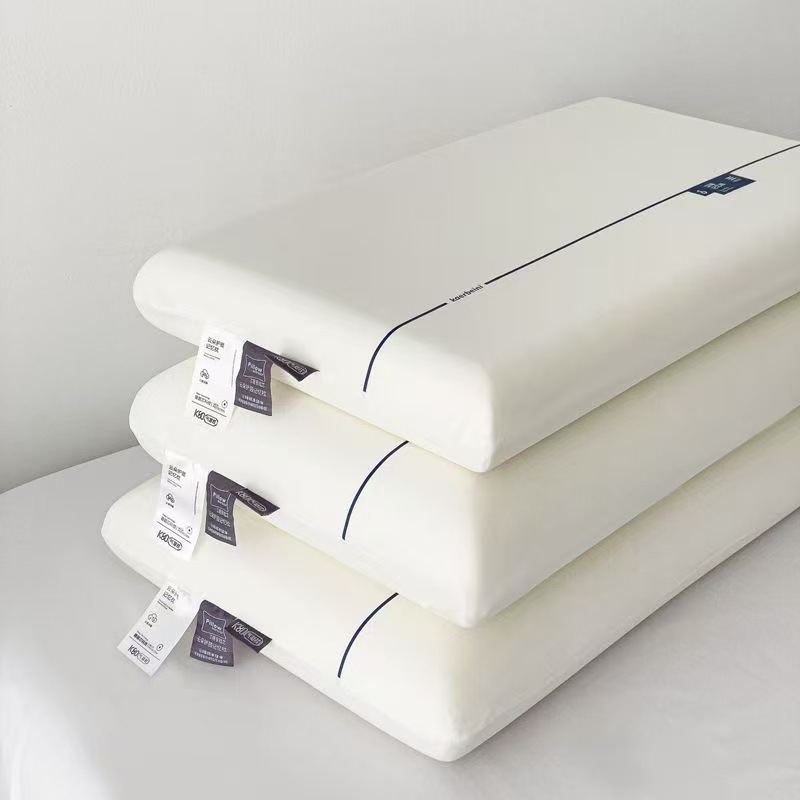
Customizing a pillow is a versatile and rewarding endeavor, whether for personal enjoyment or business expansion. By understanding the materials, techniques, and market trends, you can create unique, high-quality pillows that satisfy diverse consumer needs. As you embark on the journey of customization, remember that every element—from fabric choice to finishing touches—contributes to the pillow's final impact and value. Happy customizing!