Updatetime:2026-05-28 10:30:21 View:
Latex pillows are renowned for their durability, comfort, and hypoallergenic properties, making them a popular choice for a restful sleep. However, like any bedding product, proper maintenance and cleaning are essential to extend their lifespan and keep them fresh. This guide provides a detailed look into cleaning and caring for latex pillows effectively, ensuring you enjoy their benefits for years to come.
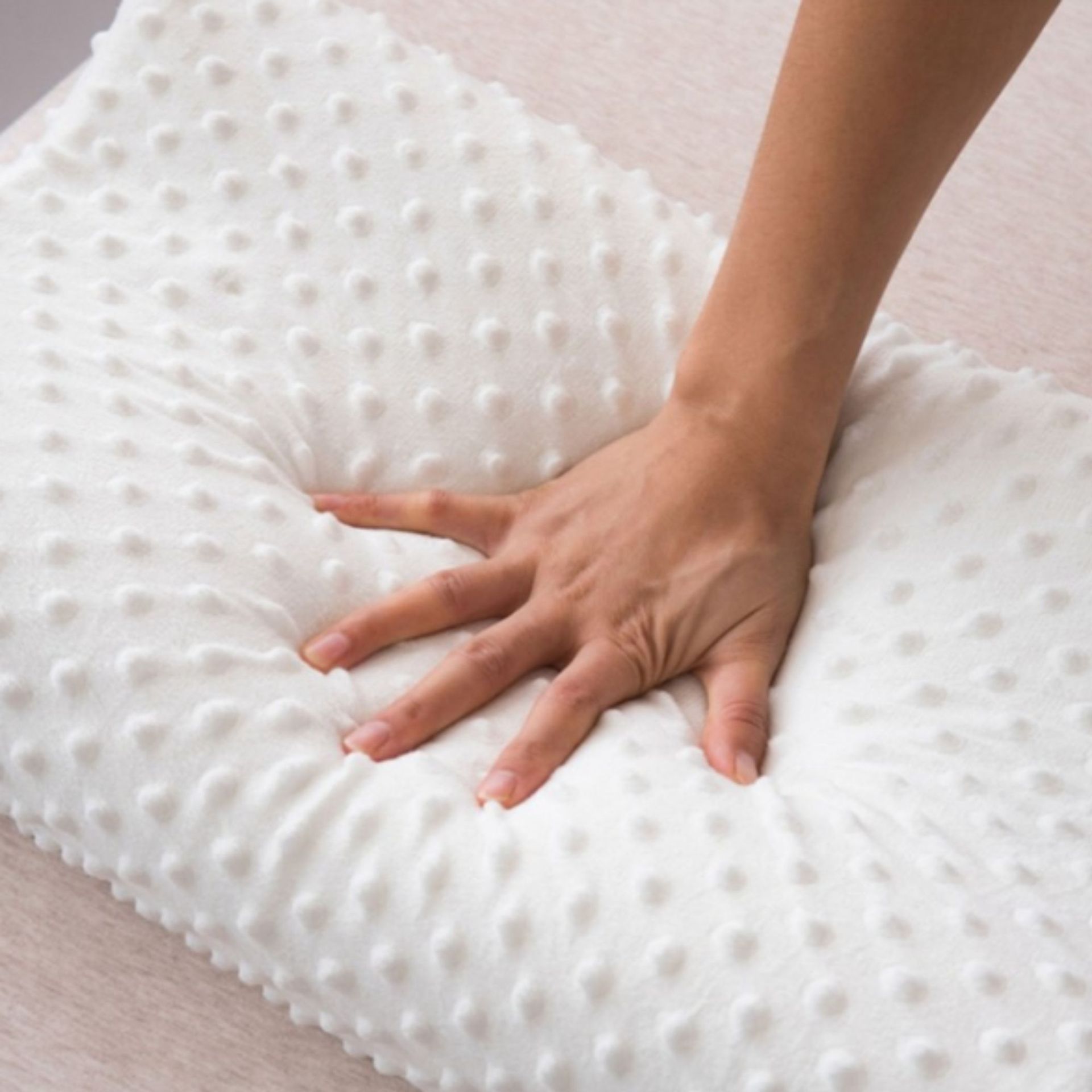
Regular cleaning of your latex pillow is not just about maintaining its aesthetic appeal; it’s vital for hygiene and health. Over time, pillows may accumulate sweat, oils, dirt, and dead skin cells, which can lead to unpleasant odors and the growth of bacteria or mold. Cleaning ensures your pillow stays fresh, comfortable, and free from allergens.
Due to the unique composition of latex, cleaning a latex pillow requires careful handling to prevent damage. Follow these practical steps for effective cleaning:
Most latex pillows come with a removable cover. Before cleaning the actual pillow, check if the cover is machine washable. If detachable, wash the cover according to its care label instructions, typically using a mild detergent and cold water. A clean pillow cover provides the first layer of hygiene and can reduce the frequency of cleaning the latex core.
Create a gentle cleaning solution by mixing lukewarm water and a small amount of mild detergent. Avoid using harsh chemicals or bleach, as they can deteriorate the latex material and reduce its lifespan.
Latex pillows should never be fully submerged in water. Instead, dip a clean cloth or sponge into the prepared solution and gently dab any stained or dirty spots. Avoid vigorous scrubbing as it can damage the delicate structure of the latex.
Use a separate damp cloth to wipe away the soap residue. Ensure all traces of detergent are removed, because leftover soap can affect the texture and longevity of the latex.
Proper drying is crucial when cleaning latex pillows. Latex material is prone to retaining moisture, which can lead to mold growth if not dried completely. Place the pillow in a cool, shaded area to air dry. Avoid direct sunlight or heat sources like hair dryers, as excessive heat can cause the latex to break down or lose its shape.
Handling latex pillows during cleaning requires care. Follow these additional tips to ensure optimal results:
The agitation and spinning in a washing machine can severely damage a latex pillow's structure. Stick to gentle hand cleaning methods instead.
While sunlight might seem ideal for drying, the heat and UV rays can degrade the latex over time. Always opt for air drying in a shaded area.
Using excessive detergent won’t make your pillow cleaner. Instead, it can leave residues that are difficult to remove and might harm the latex material.
To reduce frequent deep cleaning, keep your latex pillow fresh by using a protective pillowcase and spot-cleaning as necessary. Launder the pillowcase regularly to minimize the transfer of dirt and sweat to the pillow.
The frequency of cleaning depends on usage and individual preferences. Generally:
Sometimes, cleaning your latex pillow may involve dealing with specific concerns. Here are practical solutions for common problems:
For persistent stains, mix a small amount of baking soda with water to create a paste. Apply the paste to the stain gently, let it sit for 10 minutes, and then wipe it away with a damp cloth.
Unpleasant odors can develop if the pillow isn't dried properly or due to long-term use. Sprinkle baking soda on the pillow, let it sit for an hour, and then carefully shake or brush it off. This natural deodorizer can help neutralize smells.
If you notice mold or mildew on your latex pillow, it’s crucial to address it immediately. Create a mixture of white vinegar and water, and gently dab affected areas. Ensure the pillow is thoroughly dried afterward to prevent further growth.
To maximize the comfort and lifespan of your latex pillow, adopt the following long-term care practices:
A high-quality pillow protector adds an extra barrier against sweat, oils, and dirt, significantly reducing the need for frequent deep cleaning.
If you’re not using the pillow for a period of time, store it in a clean, dry place. Avoid compressing it too much, as latex can lose its shape when stored under pressure.
Rotating or flipping the pillow can help maintain its structural balance and prevent uneven wear, ensuring consistent support and comfort.
Over time, all pillows will exhibit signs of aging. Inspect your latex pillow regularly for cracks, thinning, or loss of elasticity. If the pillow no longer provides adequate support, it may be time to replace it.
Cleaning and caring for a latex pillow doesn’t have to be a daunting task. With the right techniques, you can keep your pillow fresh, hygienic, and supportive for a long time. Regular maintenance not only helps prolong its life but also enhances your sleep quality, ensuring you wake up refreshed every morning. Incorporate these practical tips into your routine to safeguard your investment and enjoy the numerous benefits of a latex pillow.