Updatetime:2026-05-27 11:56:51 View:
Throw pillows are ubiquitous in interior design, serving as both functional and aesthetic elements. However, they often attract dust, dirt, and stains, which can detract from their visual appeal and potentially harbor allergens. Cleaning throw pillows not only revitalizes their appearance but also prolongs their lifespan. This guide explores the various dimensions of throw pillow maintenance, offering practical and insightful advice for effective cleaning methods.
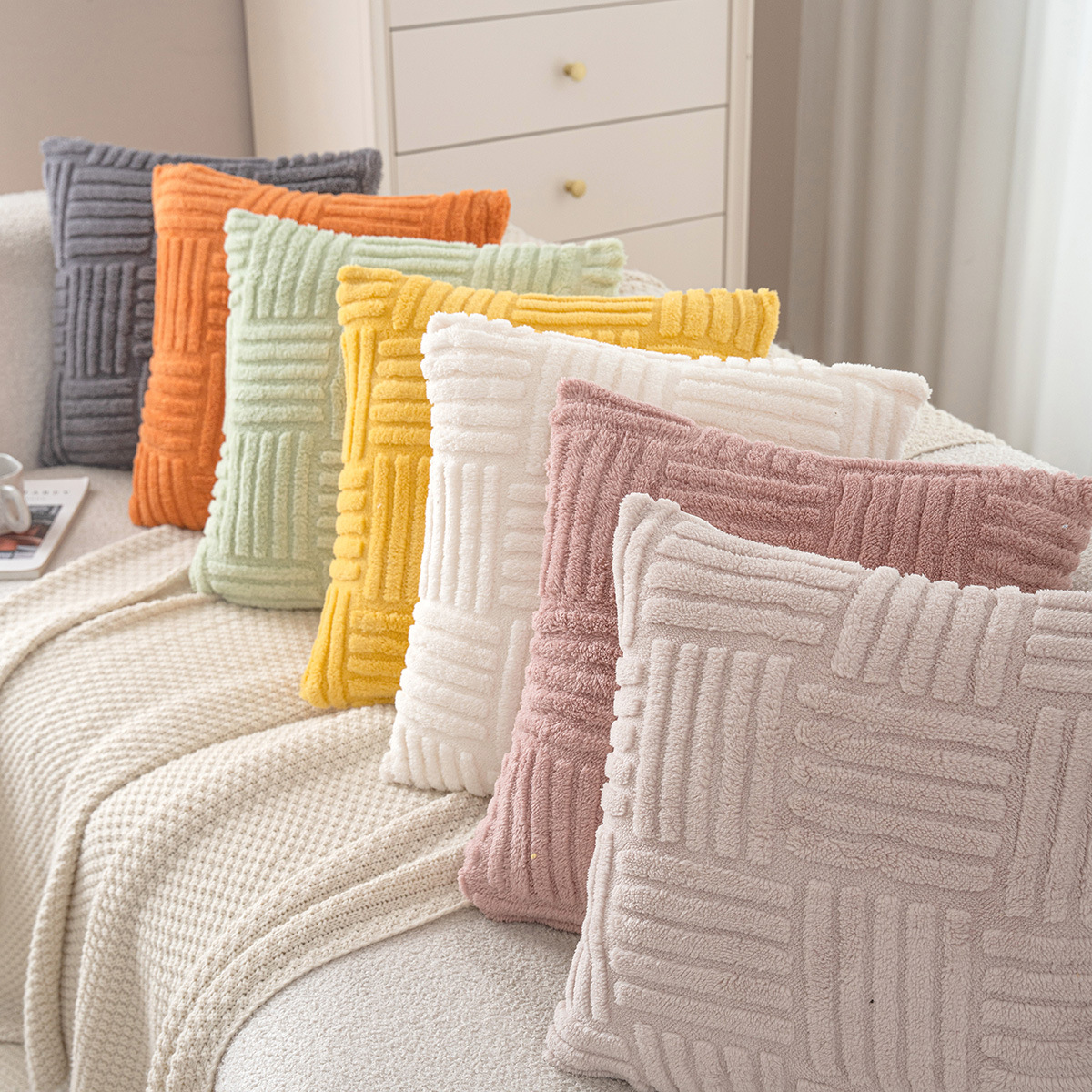
Before embarking on the cleaning process, it is crucial to understand the materials that constitute your throw pillow. Pillows typically consist of a cover and a filling, each made from different materials that require specific cleaning methods.
Pillow covers are crafted from various fabrics, each with distinct cleaning requirements:
The stuffing inside your pillow contributes to its comfort level and includes:
Proper preparation is essential to executing a successful cleaning process. Follow these preliminary steps to ensure safety and effectiveness:
Always inspect the care labels attached to your throw pillow. These labels contain invaluable instructions, including washing temperature, drying methods, and whether dry cleaning is necessary.
Perform a spot test with your chosen cleaning solution on a small, inconspicuous area of the pillow to ensure no damage or discoloration occurs.
Prepare all necessary cleaning materials such as mild detergent, baking soda, white vinegar, clean cloths, and soft brushes to facilitate a streamlined cleaning process.
Different methods cater to various pillow types, and understanding how and when to apply them is crucial.
Suitable for durable fabrics like cotton, polyester, and certain synthetics, machine washing offers a thorough cleanse:
Ideal for delicate fabrics such as velvet and linen, hand washing minimizes the risk of material damage:
For stains or localized dirt, spot cleaning allows for precision without needing a full wash:
Recommended for particularly delicate fabrics such as silk, professional dry cleaning prevents damage from water exposure:
Proper drying ensures your pillows retain their shape and texture post-cleaning.
The safest drying method, suitable for almost all pillow types:
Appropriate for robust materials like synthetic fiber-filled pillows:
Regular maintenance prolongs cleanliness and freshness between washes:
Fluff your pillows regularly to maintain their shape and comfort, preventing fill compression.
Utilize a hand vacuum or vacuum attachment to remove surface dust and particulates.
Consider using protective covers or cases to shield pillows from excessive wear and tear.
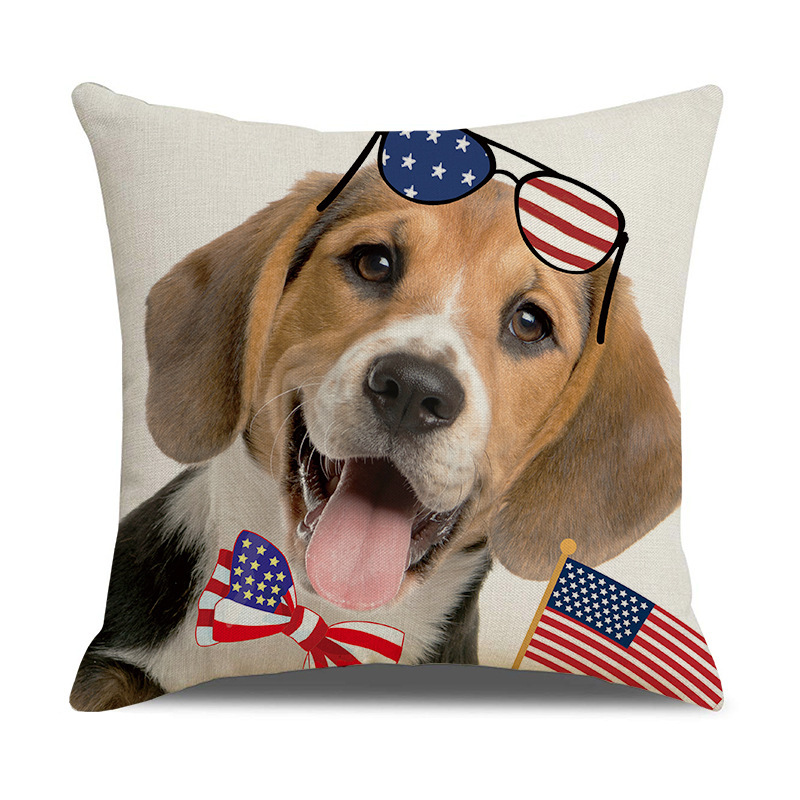
Throw pillows are a cherished addition to any living space, offering comfort and style. Ensuring they remain clean and well-maintained is a feasible task that enhances their longevity and visual appeal. With an understanding of fabric types, careful execution of cleaning methods, and commitment to regular maintenance, your pillows can continuously grace your home with their charm and function.