Updatetime:2026-05-26 09:15:27 View:
Arranging pillows on a queen bed is not just about fulfilling a utilitarian need—it's an art form. This typically overlooked aspect of interior design can dramatically affect both aesthetics and comfort in one of the most intimate spaces in your home: your bedroom. In this comprehensive guide, we'll explore an array of strategies for arranging pillows on a queen bed, use professional insights to infuse both style and functionality, and offer actionable tips tailored to diverse tastes and preferences.

Before jumping into arranging pillows, it is essential to understand the different types of pillows you can use. Each serves a unique purpose and contributes differently to the aesthetics and functionality of your bed setup.
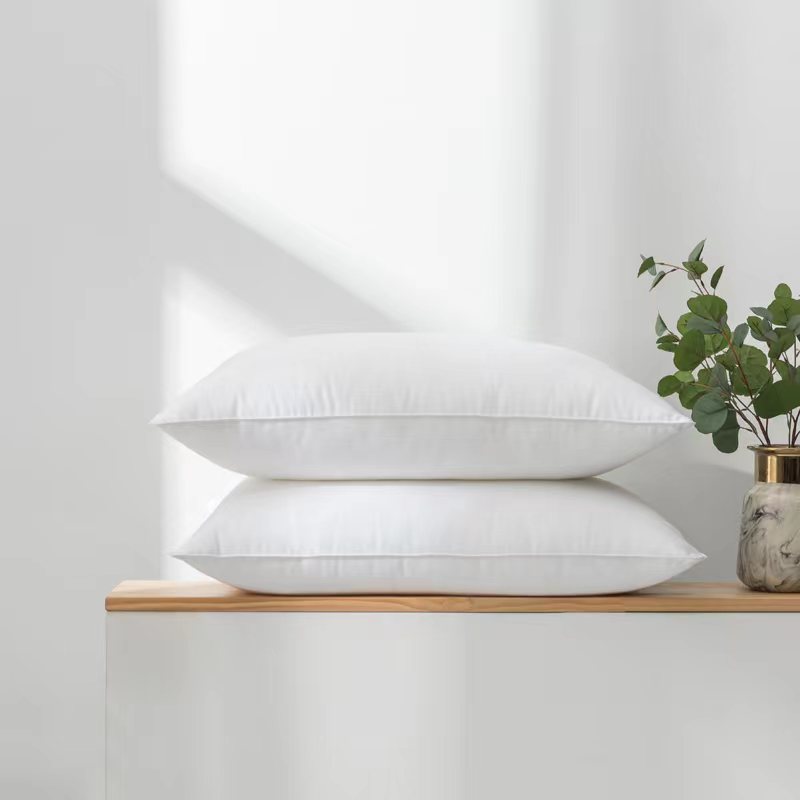
Standard pillows are the most commonly used pillows for sleeping. Typically measuring 20 by 26 inches, they provide foundational support for your nightly comfort. On a queen bed, standard pillows can be arranged to enhance comfort and contribute to a minimalistic look.
Specifically made for queen beds, these pillows are slightly longer at 20 by 30 inches, offering a perfect match in proportion. Using queen pillows can contribute to a neat and cohesive aesthetic, as they align seamlessly with the bed dimensions.
Despite being designed for larger beds, king pillows (20 by 36 inches) can lend a luxurious touch to a queen bed. They provide extra neck and back support and make for an opulent arrangement when styled correctly.
Euro shams are decorative square pillows, usually measuring 26 by 26 inches. They are used primarily for aesthetic appeal and can be great for building layers on a queen bed. Their primary function is to add volume and texture.
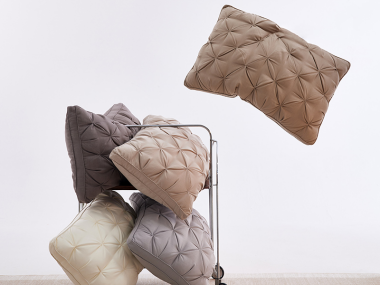
These pillows come in various shapes, sizes, and styles, offering opportunities to infuse personality into your bedding. Accents like lumbar pillows, bolsters, and throw pillows can make the arrangement feel unique and personalized.
Now that we have discussed the types of pillows, let’s look at how to arrange them effectively. Remember, the number of pillows you use should align with your comfort preference and style aspirations.
Begin by placing two standard or queen-sized pillows in a standing position against the headboard. This positioning offers height and the necessary support for sleeping. If using king-sized pillows, place them flat for a bulkier appearance.
Next, add volume with Euro shams. Depending on your preference, you can use two square pillows standing in front of your sleeping pillows. They enhance the overall aesthetic by adding dimension and height to your bedding ensemble.
Now, incorporate decorative accent pillows. Odd numbers tend to visually appeal more; therefore, arrange one to three decorative pillows in various shapes—like circles or rectangles—against your Euro shams. These pillows are your opportunity to play with colors, textures, and patterns.
Lastly, add a bolster or lumbar pillow in front of the accent layer. This can be an oblong pillow or rectangular lumbar that complements color palettes used in your bedding. The final touch highlights both balance and individuality in your setup.
Arranging pillows goes beyond just piling them on the bed. It requires an understanding of harmony and style. Here are vital considerations to ensure your pillow arrangement resonates with your room’s overall theme.
Colors play a significant role in creating an inviting atmosphere. Select pillow colors that complement your bedspread and the broader room theme. Neutral tones offer versatility, while vibrant hues can act as attention-grabbing elements.
Texture variation adds depth and complexity. Combine fabrics such as velvet, linen, or cotton for a tactile experience. Layering textures can create a dynamic, cohesive look, enhancing both aesthetic appeal and tactile comfort.
Patterns offer another layer of visual interest. Pair solid-colored pillows with patterned ones to achieve a balanced look. Be mindful, however, to not overuse patterns, as this can overwhelm the senses.
While aesthetics drive the creative component of your pillow arrangement, practicality should not be undermined. Your bed is where you recuperate; hence, functionality should equate with visual allure.
Use pillows that align with personal comfort preferences. While decorative pillows enhance style, they shouldn't erode sleeping comfort or accessibility. Ensure that sleeping pillows remain accessible once other pillows are removed.
Opt for materials that allow easy maintenance, considering factors like washing ease and fabric resilience. High-maintenance options may execute an immaculate appearance but could detract from practical usability with cumbersome cleaning requirements.
Lastly, consider sustainable materials. Opt for eco-friendly fabrics that harmoniously blend design prowess with environmental consciousness. Sustainable choices incorporate durability, ensuring both longevity and ethical integrity in your bedding ensemble.
Arranging pillows on a queen bed is a blend of science and art. It requires understanding dimensions, utilizing design principles, and implementing practical considerations to achieve both comfort and elegance. As you venture into pillow arrangement, explore various configurations, experiment with colors and textures, and embrace sustainable practices. Your queen bed may transform from a mere utility into a sanctuary of rest and rejuvenation, embodying personal style alongside universal comfort.