Updatetime:2026-05-22 10:08:19 View:
Your memory foam pillow plays a vital role in ensuring restful sleep, supporting your neck and head, and maintaining spinal alignment. However, just like any other bedding item, it doesn't last forever. Failing to replace your pillow on time can lead to discomfort, hygiene issues, and even health concerns. Therefore, understanding when and why to replace your memory foam pillow is essential to maintain a comfortable and healthy sleep environment.
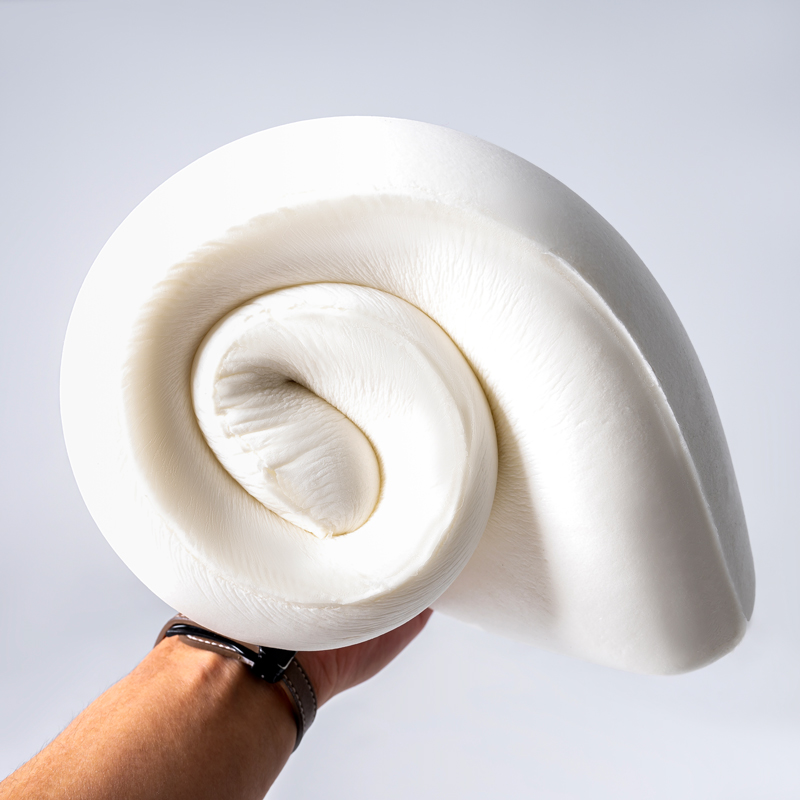
Memory foam pillows generally have a lifespan of 1.5 to 3 years. However, this timeline can vary depending on several factors, including the quality of the pillow, how well it is maintained, and individual usage. High-quality memory foam pillows that are cared for properly might last longer, while less durable options may need replacement sooner.
Memory foam is known for its ability to adapt to pressure and mold to the shape of your head and neck. However, over time, constant use can cause the foam to lose its resilience. As the foam breaks down, it inevitably becomes less effective at providing support, which might negatively impact your sleep quality. Additionally, wear and tear, sweat, oils, and environmental factors may contribute to the gradual decline of your pillow’s performance.
Knowing when your memory foam pillow needs replacing is just as important as knowing its average lifespan. Here are some signs to watch for:
If your pillow no longer returns to its original shape or feels flat and unsupportive, it’s losing its memory foam properties. Proper support is crucial for reducing pressure on the neck and spine, and an ineffective pillow can lead to discomfort and even pain.
Check for signs of visible damage, such as cracks, tears, or uneven foam distribution. These physical changes suggest your pillow is past its prime and should be replaced.
Are you waking up with neck or shoulder pain that you didn’t experience before? An old or worn-out memory foam pillow might not be providing the level of support your body needs, making it the culprit behind your discomfort.
Memory foam pillows are highly absorbent, which means they can trap sweat, oils, and moisture over time. If your pillow has persistent stains, odors, or feels damp, it might be easier to replace it rather than attempting to clean it deeply.
Over time, memory foam pillows can accumulate dust mites, bacteria, and allergens. If you're experiencing increased allergy symptoms such as sneezing, itching, or congestion, it may be time to replace your pillow for better hygiene.
Understanding the factors that affect a memory foam pillow’s durability can help you choose a product that lasts longer and maintain it effectively.
The quality of the memory foam directly impacts its longevity. High-density memory foam is typically more durable and resilient than low-density options. Consider investing in premium-grade pillows for a longer lifespan.
If you use your memory foam pillow every night, it will wear out faster than one that is used occasionally, such as a guest bedroom pillow. Constant usage impacts the foam’s ability to retain its supportive properties.
How well you care for your pillow can significantly prolong its lifespan. Proper maintenance practices, such as using pillow protectors, regularly cleaning, and keeping pillows in a dry environment, will keep them in better condition for longer.
Your sleeping position may affect how quickly your pillow wears down. For instance, stomach and side sleepers may exert more pressure on the memory foam than back sleepers, which can cause faster degradation.
Humidity and temperature can impact the condition of your memory foam pillow. Excess humidity can encourage mold and mildew growth, while extreme temperatures can alter the foam’s texture and effectiveness.
While it's inevitable that memory foam pillows will eventually need replacing, certain practices can help extend their durability. Here are actionable tips:
Pillow protectors can shield your memory foam pillow from stains, sweat, and dust, helping to maintain its cleanliness and structural integrity. Opt for a waterproof and breathable protector to maintain optimal hygiene without overheating.
Memory foam pillows should be cleaned periodically to remove dirt and allergens. Follow the manufacturer’s cleaning instructions, as memory foam cannot typically be machine washed. Instead, spot-clean with a mild detergent and allow the pillow to air dry completely before using it again.
Moisture is one of the biggest enemies of memory foam. Avoid exposing your pillow to excess humidity or liquids. Ensure it is dry after cleaning and avoid sleeping with wet hair to prevent moisture absorption.
Regularly rotating your pillow can help distribute wear evenly and prevent localized flattening in one area. This small habit can enhance the longevity of your pillow’s supportive properties.
Memory foam is designed to respond to body heat and weight, but excessive pressure can lead to premature damage. Avoid sitting, kneeling, or applying heavy objects on your pillow.
If you're not using your memory foam pillow for an extended period, store it in a clean, dry, and ventilated area to prevent the accumulation of dust and moisture.
Continuing to use an outdated memory foam pillow can have repercussions not only for your sleep quality but also for your overall health. Here’s why timely replacement is critical:
Old pillows lose their supportive properties, leading to neck pain, insufficient spinal alignment, and reduced comfort. A fresh memory foam pillow can restore the optimal conditions for restful sleep.
Dust mites, allergens, and bacteria accumulate in pillows over time, which can exacerbate asthma, allergies, and other respiratory conditions. Regular replacement ensures a healthier sleeping environment.
A worn-out memory foam pillow can lead to improper neck and head positioning, potentially causing long-term discomfort or even musculoskeletal issues. Replacing it ensures proper spinal alignment and neck support.
Failing to replace a deteriorating pillow invites the risk of mold, mildew, and harmful microorganisms that can directly impact your sleep and health. Staying on top of replacements helps mitigate these potential risks.
When it’s time to replace your memory foam pillow, proper disposal is equally important. Here are some eco-friendly ways to dispose of old pillows:
Many recycling centers accept memory foam. Check with your local facility to see if they have specific programs for foam-based materials.
Old memory foam pillows can be repurposed into pet beds, seat cushions, or floor cushions. They can also be cut into smaller pieces for craft projects or padding materials.
If the pillow is still in decent condition, consider donating it to shelters or charities. Ensure it is clean and hygienic before donation.
As a last resort, memory foam pillows can be discarded in the trash. Be sure to check local regulations regarding waste disposal to ensure compliance.
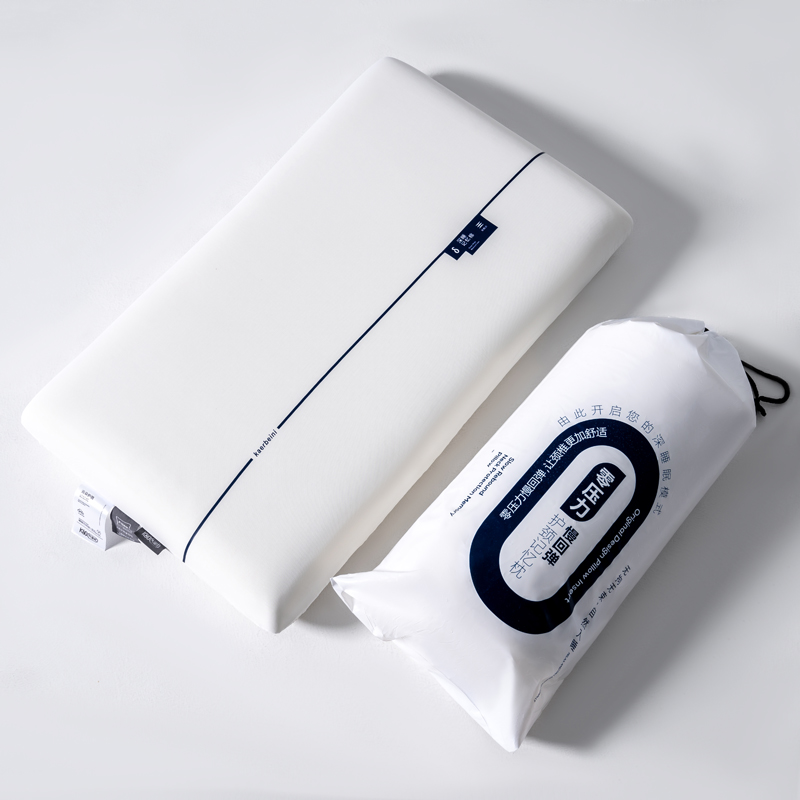
Replacing your memory foam pillow at the right time is essential for maintaining a clean, comfortable, and supportive sleep environment. Regularly assess the condition of your pillow and look out for signs of deterioration, such as loss of support, stains, odors, and discomfort. By choosing high-quality pillows and practicing proper maintenance, you can extend their lifespan and enjoy better sleep quality.
If you’re unsure whether it’s time to replace your memory foam pillow, consider the key factors discussed in this article to make an informed decision. Ultimately, prioritizing your sleep comfort and hygiene will have a lasting positive impact on your overall health and well-being.