Updatetime:2026-05-15 10:56:52 View:
If you are like most people, you might not give much thought to your bed pillows, despite spending a significant portion of your life with your head resting on them. However, the importance of a fresh, supportive pillow cannot be overstated. Your pillow not only impacts the quality of your sleep but also influences your overall health. In this comprehensive guide, we will explore the signs that indicate it's time to change your pillows, how often you should replace them, and why it's essential to do so.

The pillow you sleep on plays a crucial role in ensuring a good night's rest. A pillow that supports the natural curve of your neck allows your head to rest comfortably and keeps your spine aligned. Over time, pillows lose their shape and supportive ability, which can lead to poor sleep posture, stiffness, and even persistent neck pain.
In addition to providing comfort and support, pillows can harbor dust mites, dead skin cells, and bacteria, which can exacerbate allergies or skin conditions. Replacing your pillow at regular intervals is a simple yet effective way to maintain hygiene and prolong the life of your bedding.
A tell-tale sign that your pillow needs replacing is its loss of shape. Over time, the filling in your pillow can become compressed and uneven. If you fold your pillow in half and it doesn’t spring back into shape immediately, it's an indication that it’s lost its structural integrity and it's time for a new one.
If you wake up with neck stiffness or shoulder pain, your pillow could be the culprit. A pillow that’s too flat, too firm, or too soft can throw off your spinal alignment, leading to discomfort and pain. Changing your pillow could help alleviate these issues and improve your sleep quality.
Your pillow could be a breeding ground for dust mites and other allergens. If you find your allergies acting up more than usual or experience signs like a runny nose or itchy eyes, it might be time to replace your pillow.
Physical signs of wear, such as lumps, tears, or stains, suggest that your pillow is past its prime. Such wear and tear not only detracts from your comfort but may also compromise your pillow's hygiene.
The general rule of thumb is to replace your pillows every 1 to 2 years. However, this can vary depending on the type of pillow material and your individual needs. Here are some guidelines based on common types of pillows:
These pillows tend to last between 1 to 3 years. Regular fluffing can help down and feather pillows maintain their shape and comfort, but it's crucial to replace them as they start to lose support or show signs of wear.
Memory foam pillows are designed to last longer due to their dense structure. Typically, they should be replaced every 18 to 36 months. If you notice the foam is no longer returning to its original shape, it’s time for a new pillow.
These are generally budget-friendly but have shorter lifespans, often needing replacement every 6 months to 2 years. They tend to break down faster, losing their shape and becoming lumpy.
While it's essential to replace your pillows regularly, taking care of them can extend their life and maintain quality. Here are some tips to consider:
A pillow protector acts as a barrier against sweat, spills, and allergens. It's an additional layer between your pillowcase and pillow, which can help keep your pillow clean and prolong its lifespan.
Many pillows are machine washable, so check the care label to see if yours can be washed. Regular washing can reduce allergens and keep your pillow fresh. Additionally, fluffing your pillow daily can help maintain its shape and level of support.
Every few months, air out your pillows by hanging them outdoors or in a well-ventilated space. This can help eliminate smells and reduce moisture build-up, which encourages the growth of dust mites and bacteria.
While it’s crucial to change pillows regularly, selecting the right pillow initially is just as important. Consider the following factors when purchasing a new pillow:
Your sleeping position greatly influences the type of pillow you should choose. Side sleepers typically require a firmer pillow to fill the gap between their shoulder and head, while back sleepers might need a medium-firm pillow. Stomach sleepers generally benefit from a softer pillow to avoid straining the neck.
Pillows come in various materials, each offering unique benefits. Down and feather pillows provide softness and adjustability, while memory foam offers contoured support. Look for materials that align with your comfort preferences and specific needs, such as hypoallergenic options for allergy sufferers.
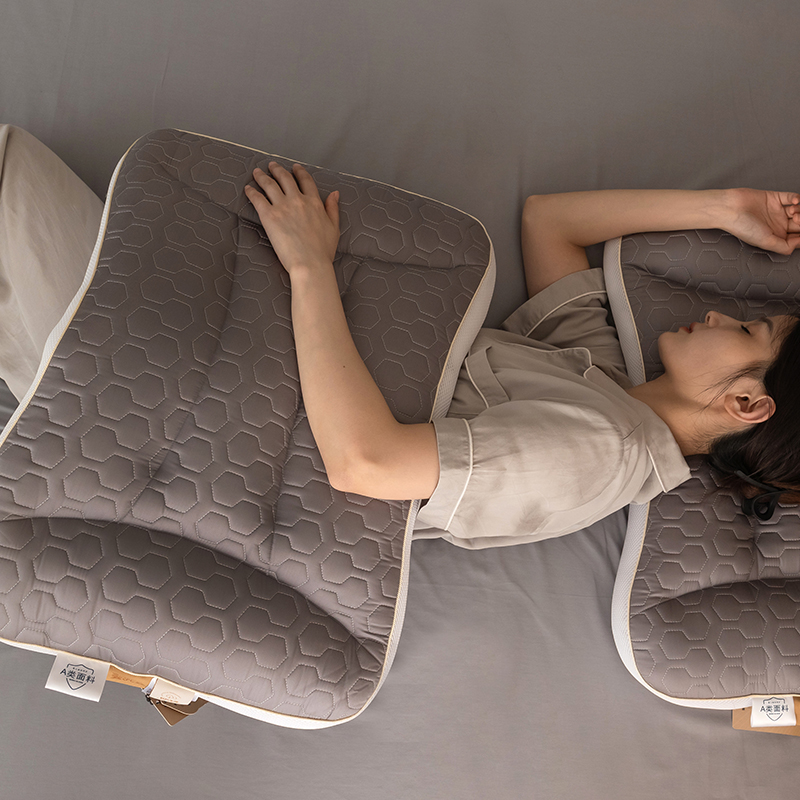
Regularly replacing your pillows is a small yet crucial aspect of sleep hygiene that can significantly impact your quality of rest and overall well-being. By acknowledging the signs of wear and understanding the recommended replacement timeline, you can ensure your sleeping environment remains comfortable and healthy. Coupled with choosing the right type of pillow and adopting practices to extend its lifespan, you'll facilitate a more restful and rejuvenating sleep experience.
Ultimately, investing time and thought into your pillow choices isn't merely about comfort—it's a vital component of maintaining good sleep posture, supporting spinal alignment, and managing allergens. Follow this guide to make informed decisions about when and how to change your bed pillows, and enjoy the restful nights that follow.