Updatetime:2026-05-14 10:55:14 View:
When it comes to cultivating a restful and healthy sleep environment, the often-overlooked bed pillow plays a crucial role. Despite its importance, many people overlook the maintenance and replacement of their pillows, leading to potential health concerns and compromised sleep quality. This article aims to provide clarity on how often bed pillows should be changed, taking a multidimensional approach to improve your sleep hygiene. With actionable advice and detailed insights, you can make informed decisions that benefit your wellbeing.
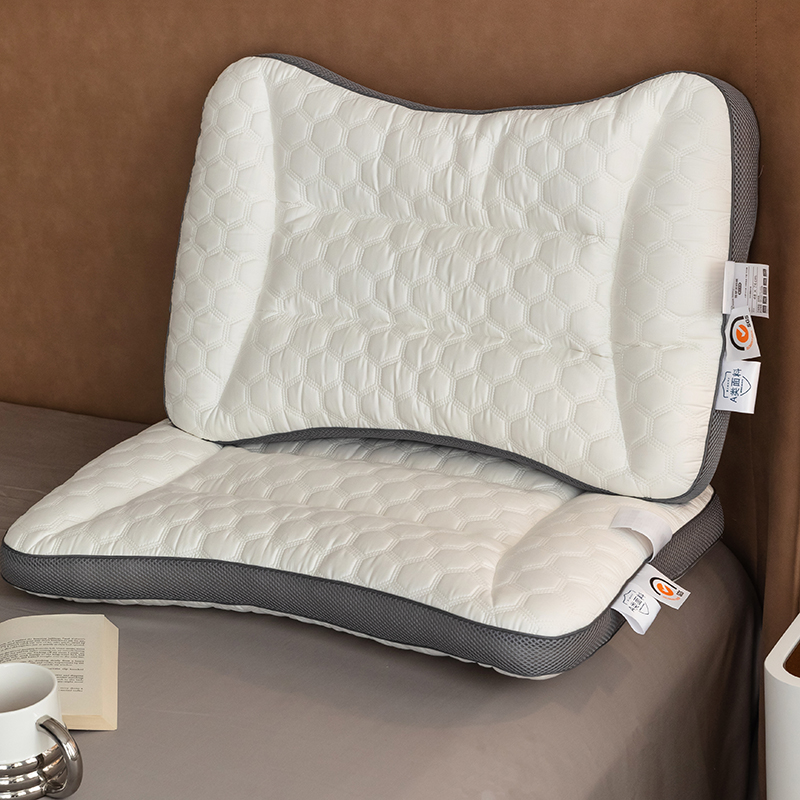
Bed pillows are more than just sleep accessories; they are essential tools that support the head, neck, and spine, playing a pivotal role in overall sleep quality and comfort. A good pillow can help maintain spinal alignment while reducing pressure points in these areas. Consequently, neglected or worn-out pillows can cause issues such as sleep disturbances, neck and back pain, and allergies.
The primary function of a pillow is to provide support and comfort while aligning the head and neck with the spine. A well-maintained pillow offers the essential resilience to keep your body in a neutral position, facilitating better sleep posture and preventing musculoskeletal strain.
Pillows can become reservoirs for dust mites, bacteria, and allergens over time. These unwanted guests thrive in places where they have access to moisture and human dander—which are prevalent in pillows. Regularly changing pillows can significantly reduce the risk of allergies and asthma symptoms.
So, how often should bed pillows be changed? The answer depends on several factors, including pillow material, usage patterns, and individual health needs. Below are general guidelines to help you determine the best timing for pillow replacement.
Pillow materials directly affect their durability and how often they should be replaced:
Looking for physical indicators can be a straightforward way to assess whether a pillow needs replacement. Signs include lumps and bumps, loss of shape, inability to fluff, an unpleasant odor, and visible stains. Additionally, if your pillow feels flat and unsupportive when you lie down, it may be time for a change.
Sometimes, your body might give indications that it's time to replace your pillow:
While regular replacement is important, there are steps you can take to extend the life of your pillows, maximizing their efficiency and hygiene.
Consider using pillow protectors or encasements, which can act as barriers against dust mites, allergens, and moisture. Investing in high-quality covers can significantly extend the life of your pillows.
Different pillow materials require different cleaning methods. Regular washing—every three months for most types—is recommended:
Once it is time to replace your pillows, consider sustainable disposal methods. Pillows can often be recycled or repurposed rather than sent to the landfill.
Many recycling centers accept pillows, separating materials for other uses. You can also donate them to animal shelters, where they can be used as bedding.
Use old pillows to create DIY projects like pet beds, cushions for outdoor chairs, or insulating materials for shipping fragile items.
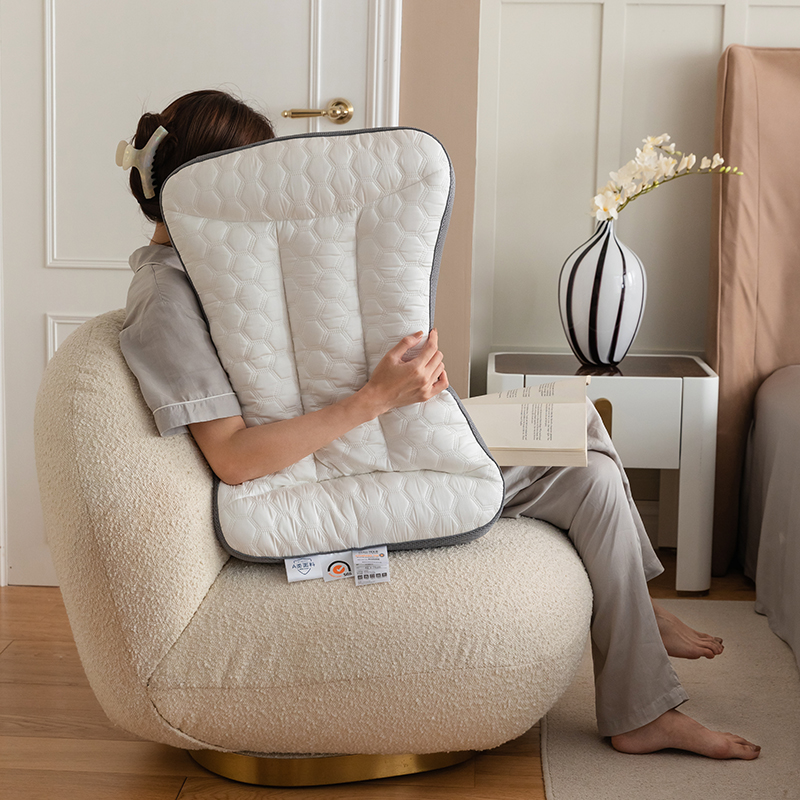
The answer to how often you should change bed pillows is more nuanced than a fixed timeline. Several factors must be considered, from the type of pillow material to personal health needs. Regular replacement contributes not only to improved sleep quality but also to better overall health. By adopting careful management and replacement practices, you can enjoy the myriad benefits of a well-maintained sleep environment.
Ultimately, a pillow is an investment in health and comfort. Giving it regular attention ensures that you reap the benefits of refreshing, healthy sleep night after night. Adopt these guidelines and considerations into your routine to make informed decisions in sustaining your sleeping sanctuary.