Updatetime:2026-05-11 10:48:05 View:
Changing bed sheets is an essential yet often overlooked element of maintaining a clean and healthy living environment. While the frequency with which you should change bed sheets may vary for different people, there are specific factors and guidelines to consider based on hygiene, lifestyle, and personal habits. This article provides an in-depth look at the topic and outlines actionable tips to ensure optimal cleanliness and comfort. Whether you're looking to improve your health or maintain a professional stance when discussing bedding care with international trade audiences, understanding this topic is universally valuable.
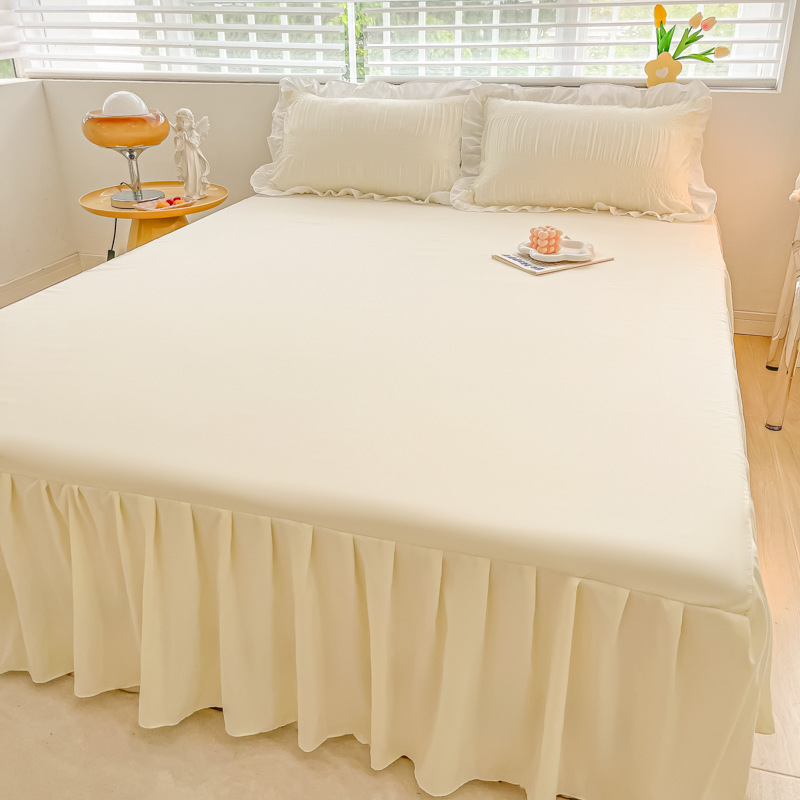
Your bed sheets are essentially a collection point for everything your body sheds, including sweat, oils, dead skin cells, and even microorganisms. Over time, they can accumulate dirt, allergens, and bacteria, which may lead to skin irritation or exacerbate respiratory issues. Failing to change your sheets regularly can also compromise sleep quality, as the buildup of grime and odors can make your bed less inviting.
Dirty bed sheets are home to dust mites, bacteria, and allergens. Dust mites, in particular, feed on the dead skin cells that you shed, and their presence can cause allergic reactions, such as sneezing, watery eyes, or even asthma symptoms. Additionally, sleeping on unclean bedding can increase the risk of acne breakouts, skin infections, or exacerbated eczema conditions.
Changing your bed sheets regularly isn't just about physical health; it also significantly impacts your mental well-being. Sleep plays a critical role in maintaining mental clarity and emotional stability, and sleeping in fresh, clean sheets contributes to a sense of relaxation and tranquility. Coming home to a clean, well-made bed is a small luxury that can drastically improve your mood and overall sense of calm.
While there’s no one-size-fits-all answer to how often you should change bed sheets, considering the following factors can help determine the optimal frequency for your situation:
If you shower daily before bed, avoid sleeping in outdoor clothes, and use nightwear, your bed sheets may stay cleaner for longer. In contrast, if your hygiene routine is less thorough or inconsistent, you may need to wash your sheets more frequently to maintain cleanliness.
Individuals predisposed to allergies, eczema, or other skin conditions will need to change their sheets more often as they require a cleaner sleeping environment to prevent irritation. Using hypoallergenic bedding can also be helpful.
For those who allow pets to sleep on their beds, bedding should be changed far more frequently. Animals bring fur, dander, dirt, and even parasites into your bed, which can quickly result in unsanitary conditions.
People who sweat heavily at night or live in humid climates might find their bedsheets becoming damp or retaining body oils faster. Sweat can also contribute to odor buildup, making regular changes necessary.
If you eat or drink in bed, you run the risk of spills and stains, which should prompt immediate changes to maintain cleanliness and prevent pests such as ants or insects.
As a rule of thumb, it’s recommended that most people change their bed sheets every one to two weeks. However, factors identified above may shorten or lengthen this timeline. Below, we provide further tailored recommendations for different lifestyles.
Changing bed sheets weekly should be a minimum benchmark for optimal hygiene in most households. This ensures that dead skin cells, sweat, allergens, and grime are routinely removed, providing you with a fresh setting every seven days.
If you live in a smaller household, maintain exceptional hygiene practices, or use protective bedding like mattress covers, stretching changes to every two weeks may suffice. However, environmental dust and allergens may still necessitate periodic washing.
If you have health issues, pets, or lifestyle habits that increase dirtiness, or experience warmer climates and sweating, make it a habit to change sheets more regularly—at least every 3–4 days.
In addition to regular changes, employing certain practical habits can extend the freshness of your sheets:
Taking a shower before bed reduces the transfer of sweat and oils to your sheets, helping them stay cleaner for longer.
If possible, create boundaries for pets to sleep outside your bed to avoid fur and dirt accumulation.
Making your bed each morning and occasionally airing out your bedding can reduce dust buildup and maintain freshness.
Use mattress and pillow protectors, as they act as barriers against dust mites, oils, and allergens. These covers can be washed alongside your sheets for thorough cleanliness.
Resist the temptation to eat or drink in bed as spills can soil your bedding, attracting unwanted pests.
When the time comes to wash your sheets, following best practices ensures both cleanliness and longevity for your bedding:
Hot water helps to kill germs and eliminate dust mites. Most bed sheets can be washed at temperatures of around 60°C (140°F). Always check the care label to avoid shrinking delicate fabrics.
Opt for mild, skin-friendly detergents, especially if you have allergies. Specialized detergents can also remove tough stains or odors effectively.
Stuffing too many sheets into the washer impedes cleaning efficiency. Wash sheets either alone or with other lightweight textiles, providing ample room for proper agitation.
Ensuring your sheets are fully dry prevents the growth of mold or musty smells. If possible, hang sheets in sunlight as UV rays can naturally sanitize and brighten fabric.
The material of your bed sheets also influences how often they should be changed and the care they require:
Cotton is highly breathable and tends to accumulate less odor, making it suitable for weekly washing. It’s an easy-to-maintain material that combines comfort with durability.
Silk sheets are luxurious but less durable. They require delicate care and should be changed more frequently, such as once a week, to prevent damage from accumulated oils.
Flannel, mainly used in colder seasons, may trap sweat and odors. Changing every 7–10 days is advisable, particularly if you use them year-round.
Microfiber tends to trap dust and retain heat, necessitating weekly changes at minimum, particularly in hot climates or homes prone to allergens.

Changing bed sheets regularly is a cornerstone of cleanliness, comfort, and health. By understanding the factors that influence how often this should be done, you can tailor your practices to suit your lifestyle and ensure a superior sleeping experience. Building habits like setting reminders for sheet changes, investing in high-quality protective bedding, and practicing effective washing techniques will help you maintain an environment conducive to restful sleep. Remember, the effort you put into maintaining your bedding directly contributes to your overall well-being.
Evaluate your current bed sheet changing schedule and adjust it based on recommendations outlined in this article. Focus on staying consistent, and make it an integral part of your cleaning routine. A clean bed is not just about appearances—it is a critical investment in health, comfort, and peace of mind.