Updatetime:2026-04-06 19:44:55 View:
Sleep plays a vital role in maintaining overall health and well-being. Yet, for many people, staying cool throughout the night can be a challenge, especially during warm seasons. This problem has spurred innovation in the bedding industry with the introduction of cooling pillows. But how does a cooling pillow work, and how can it improve your sleeping experience? This article dives deep into the science behind cooling pillows, their benefits, types, and tips for choosing the right one to meet your unique needs.
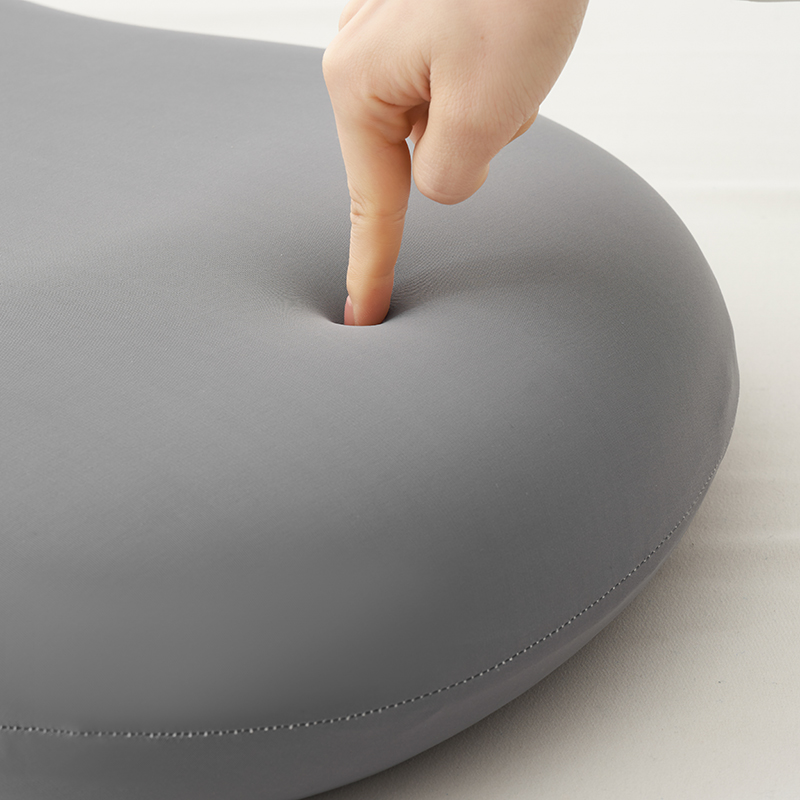
Cooling pillows are designed to regulate body temperature and wick away heat to improve comfort during sleep. They achieve this through advanced materials and scientific techniques that actively or passively keep you cool while sleeping. The exact mechanisms may vary depending on the type of cooling pillow, but here are the most common technologies that make them effective:
Phase change materials are cutting-edge substances used in some cooling pillows. PCM absorbs excessive heat from your body and dissipates it. Essentially, these materials ""store"" heat when temperatures rise and release it back when temperatures cool down. This dynamic temperature regulation ensures consistent comfort throughout the night. PCM technology is widely recognized for its precision in maintaining an ideal sleeping environment.
Many cooling pillows utilize gel infusion to control heat retention. The gel layer works to distribute heat efficiently, offering a cooling sensation for users. Gel layers can be embedded inside a foam or latex pillow or spread across the surface as a thin coating. Gel-infused pillows are effective for shorter periods of cooling, making them ideal for sweaty sleepers.
The external fabric of cooling pillows also plays a crucial role in heat regulation. Breathable fabrics like cotton, bamboo, or specialized cooling textiles enhance airflow, dissipate heat, and reduce sweat buildup. In addition, some pillows are designed with ventilation holes that improve air circulation inside the pillow for all-night cooling effects.
Standard memory foam tends to trap heat, but pillows featuring open-cell memory foam are revolutionizing the market. This design incorporates tiny air chambers within the foam, allowing enhanced airflow and heat dissipation. While remaining supportive, this structure provides an advanced cooling mechanism for sleepers.
The use of a cooling pillow extends beyond simple convenience—its benefits significantly impact physical health, psychological well-being, and sleep quality. Below are the core advantages of using a cooling pillow:
A cooling pillow helps maintain a stable temperature by absorbing heat and improving air circulation. Staying cool at night allows the body to enter deeper sleep stages, including REM sleep, which profoundly restores your brain and body.
Cooling pillows reduce discomfort caused by sweating or overheating, especially for individuals prone to hot flashes or those living in humid climates. Many cooling pillows are also ergonomically designed, providing neck and head support in addition to thermal comfort.
Overheating can cause frequent awakenings and disrupt the sleep cycle. Cooling pillows minimize these interruptions, ensuring you wake up refreshed and alert.
Excess heat and trapped moisture can lead to skin irritations, acne, or clogged pores. By wicking sweat and heat away, cooling pillows contribute to clearer, healthier skin.
Certain medical conditions, such as menopause, hyperhidrosis (excessive sweating), or hot flashes, make cooling solutions essential. Cooling pillows offer relief by providing the right temperature balance during sleep.
Cooling pillows are available in a variety of types, catering to diverse preferences and sleeping styles. Choosing the right pillow type depends on your specific needs and sleep habits. Here are the most popular types:
As mentioned earlier, gel-based pillows are infused with cooling gel to moderate heat. They are ideal for hot sleepers but may lack long-term cooling benefits compared to other types. Gel models are often paired with memory foam for added comfort.
Water-filled pillows feature internal chambers of water that absorb and transfer heat. You can customize the firmness by adjusting the water levels, making them versatile for various sleeping positions.
Equipped with advanced open-cell designs or gel infusions, memory foam cooling pillows provide excellent contouring and support while maintaining breathability. These are perfect for individuals who require orthopedic or cervical support.
Natural cooling pillows made from bamboo or cotton provide organic solutions for heat regulation. Although they may not be as technologically advanced as other alternatives, they offer eco-friendly, breathable comfort.
These high-tech pillows excel at temperature regulation using PCM technology. They are often considered the pinnacle of innovation in cooling pillow design, capable of adjusting to a sleeper’s environmental and body temperature.
Purchasing the right cooling pillow involves evaluating several factors to ensure it complements your sleep patterns and preferences. Here are essential considerations to guide your decision:
Start by analyzing the type of cooling material or technology used in the pillow. If you need sustained cooling effects throughout the night, consider PCM or advanced gel-foam designs.
Cooling pillows come in varied densities. Assess whether you need soft, medium, or firm support depending on your sleeping position. Side sleepers may benefit from firmer pillows, while back or stomach sleepers often prefer softer cushions.
Ensure the pillow covers are made with breathable materials such as cotton, bamboo, or cooling textiles to enhance ventilation and wick moisture away efficiently.
Check customer reviews or product descriptions to evaluate the pillow’s longevity. Some advanced cooling materials may deteriorate faster—look for durable, high-quality construction.
If you have sensitive skin or allergies, choose hypoallergenic pillows made from natural or antimicrobial materials to avoid irritations.
Cooling pillows are available at various price points, from budget-friendly to premium options. Allocate your budget based on the necessity of cooling technology and other desirable features.
To enjoy the maximum benefits of a cooling pillow, follow these simple tips:
Use breathable pillowcases: Pair your cooling pillow with light and breathable pillowcases for optimized airflow.
Avoid excess layering: Too many blankets or thick sheets can trap heat and negate the cooling pillow benefits.
Keep your bedroom cool: Set your thermostat to a comfortable temperature or use a fan to aid the pillow’s cooling effect.
Regular cleaning: Follow the manufacturer's guidelines to clean your pillow. Dirt and sweat buildup can reduce the pillow’s cooling capacity.
Understand replacement timelines: Many cooling pillows have a recommended usage lifespan. Replace your pillow when it starts losing its cooling effectiveness.
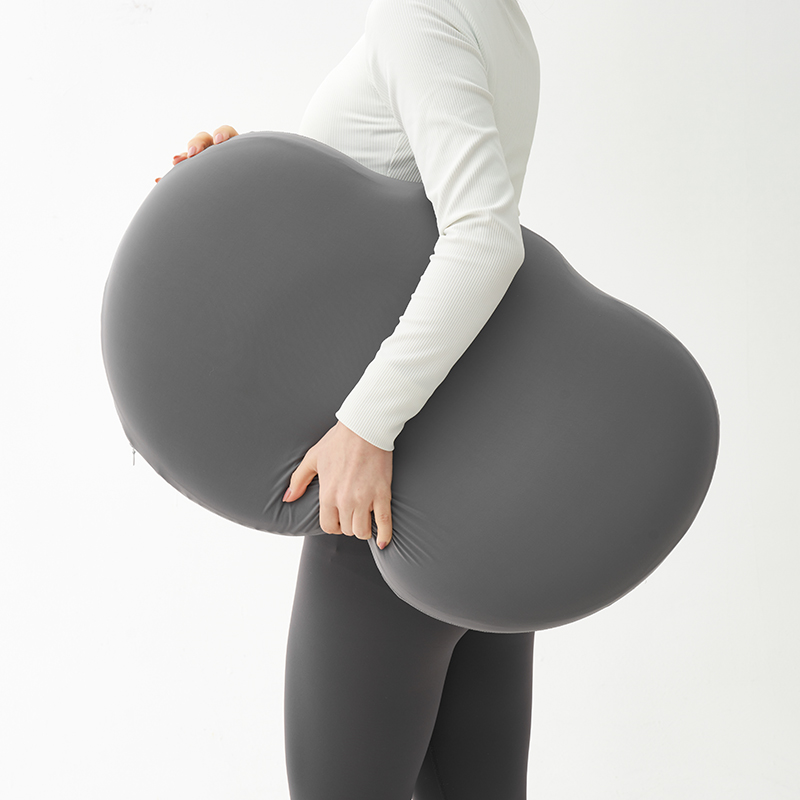
Cooling pillows are an innovative solution for people who experience disrupted sleep due to overheating. By leveraging materials such as phase change technology, cooling gels, and breathable fabrics, these pillows regulate body temperature and provide a comfortable sleeping environment. Whether you’re battling summer heat, living in a humid climate, or dealing with medical conditions like hot flashes, cooling pillows can dramatically enhance your sleep quality.
When selecting the perfect cooling pillow, consider the cooling technology used, fabric breathability, firmness, durability, and your personal budget. Implementing tips like pairing your pillow with the right bedding and maintaining a cool bedroom environment can further amplify your comfort.
A good night’s sleep is essential for health and well-being, and the right cooling pillow could be the missing piece for achieving optimal rest. Explore your options wisely and enjoy refreshing, uninterrupted nights of cool comfort.