Updatetime:2026-03-28 19:24:20 View:
Memory foam pillows have gained significant popularity in recent years due to their ability to enhance sleep quality by providing superior support and comfort. But how do you sleep on a memory foam pillow effectively to maximize its benefits? In this comprehensive guide, we will delve into various dimensions, offering actionable advice, practical insights, and professional tips to ensure you get the most out of your memory foam pillow.
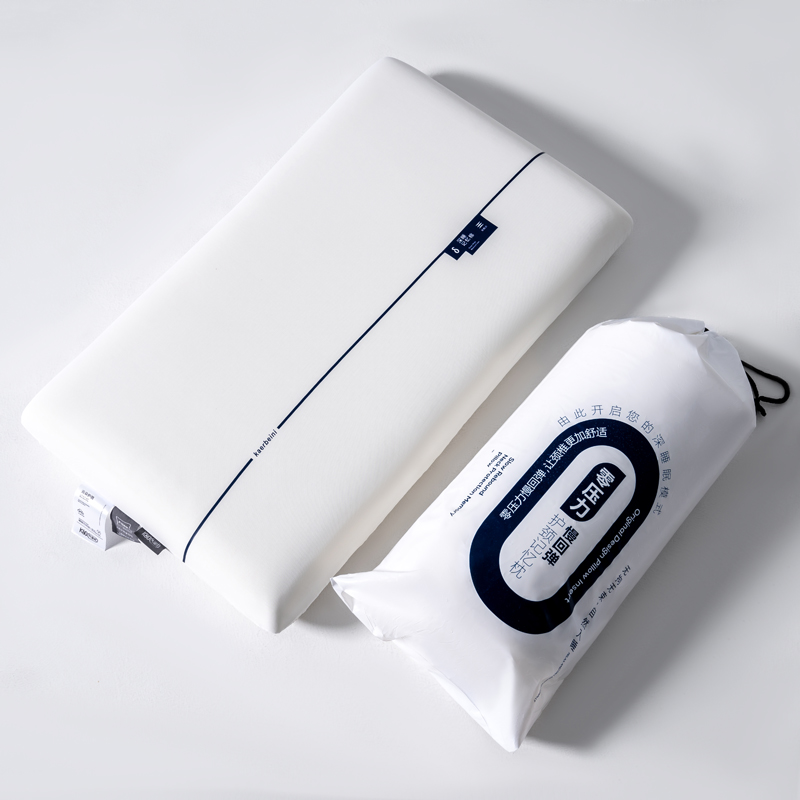
Memory foam pillows are made from viscoelastic polyurethane foam, a material that molds to the shape of your head, neck, and shoulders based on heat and pressure. This adaptability ensures effective support and alignment during sleep, making them ideal for those seeking relief from neck pain, shoulder discomfort, or improper posture.
Understanding the benefits of memory foam pillows will help you appreciate why they are so effective and how you can optimize their use. Here are some key advantages:
Memory foam conforms to your body shape and evenly distributes pressure. This customized support helps reduce strain on your neck and shoulders, providing a comfortable sleep experience.
The pillow’s ability to contour to your neck ensures proper spinal alignment, reducing the risk of waking up with stiffness or pain.
Unlike traditional pillows, memory foam pillows retain their structure over time without flattening, making them a reliable choice for prolonged use.
Memory foam is naturally resistant to dust mites and other allergens, making it a safer option for individuals with asthma or allergies.
Before you begin using your memory foam pillow, it’s crucial to select the right one for your needs. Here are some factors to consider:
The thickness of the memory foam pillow, known as its loft, determines how well it supports your sleeping position. High-loft pillows are suitable for side sleepers, while low-loft pillows may work better for stomach sleepers.
Memory foam pillows come in varying levels of firmness. If you prefer soft cushioning, opt for a medium-soft pillow, whereas a firmer option is ideal for those seeking maximum support.
If you tend to sleep hot, consider purchasing a pillow with cooling gel or breathable covers to regulate temperature and improve comfort.
Memory foam pillows are available in different shapes (e.g., contoured, standard, wedge). Contoured pillows are great for cervical support, while wedge pillows work well for people with acid reflux or snoring issues.
Using a memory foam pillow effectively depends on your sleeping position and technique. Here’s how you can adjust your sleeping habits to match your pillow:
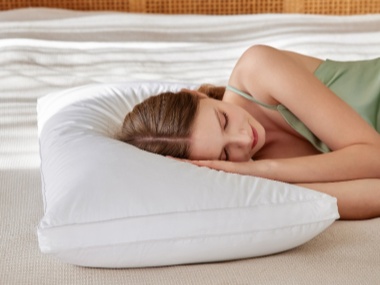
If you are a side sleeper, ensure the pillow fills the gap between your ear and shoulder. This keeps your neck properly aligned with your spine, reducing pressure on your shoulder and neck.
Back sleepers should focus on maintaining even neck support. The pillow should not be too thick, as it could push your chin forward. Use a medium-loft memory foam pillow for optimal alignment.
Stomach sleepers should opt for a thin or low-loft memory foam pillow to prevent overextension of the neck. Additionally, try placing a secondary soft pillow under your abdomen to improve spinal alignment.
If you change positions during the night, choose a pillow with a medium firmness that adapts easily to all sleeping styles. Adjustable memory foam pillows may also be effective for combination sleepers.
To maximize the benefits of your memory foam pillow, consider the following tips:
Place the pillow in a way that cradles both your neck and head, ensuring even pressure distribution. Avoid pushing it too far under your shoulders, as this can disrupt spinal alignment.
If you’re transitioning from a traditional pillow, your body may need time to adjust to the unique feel of memory foam. Be patient and give yourself at least 1-2 weeks to adapt.
Cover your memory foam pillow with a breathable pillowcase to protect it from dirt and oils while enhancing its cooling properties. Opt for cotton or bamboo materials for maximum airflow.
Memory foam pillows are sensitive to moisture, so avoid washing the foam directly unless specified by the manufacturer. Most pillows come with removable, washable covers for easy maintenance.
If your memory foam pillow starts losing its shape or support over time, it’s time for a replacement. Typically, memory foam pillows last between 1-3 years, depending on usage.
Memory foam pillows aren’t just for general comfort—they also cater to people with specific health concerns and lifestyle needs:
The ergonomic design of memory foam pillows can alleviate neck, back, and shoulder pain. Contoured or cervical memory foam pillows offer targeted relief for chronic discomfort.
Elevated memory foam pillows (e.g., wedge designs) can help reduce snoring and improve breathing during sleep. This is especially beneficial for individuals with sleep apnea.
Pregnant women often benefit from using memory foam pillows to improve lumbar support and reduce pressure points, ensuring better rest despite the challenges of pregnancy.
Post-surgical patients can use contoured or wedge memory foam pillows to maintain proper posture and minimize pain during recovery periods.
To ensure your memory foam pillow continues to provide maximum support, try to avoid these common mistakes:
Using a pillow too large or small for your body can lead to improper alignment. Make sure you choose the appropriate size for your sleeping position and body type.
Some memory foam pillows trap heat, leading to discomfort. If you sleep warm, pick a pillow with cooling gel or ventilation holes to address this issue.
Failing to maintain your pillow properly (such as letting dirt accumulate or exposing it to excessive moisture) can shorten its lifespan and compromise its quality.
Memory foam pillows can transform your sleep experience, offering unparalleled support, comfort, and alignment. To fully enjoy these advantages, ensure you choose the right type, position it correctly, and adapt your sleeping technique to match the pillow’s features. By addressing common challenges and maintaining proper care, you can significantly enhance your sleep quality and overall health.
Whether you're seeking relief from neck pain, improved posture, or simply better sleep, a memory foam pillow can be an invaluable companion in your nightly routine. Invest time in learning how to use your pillow effectively—your health and well-being are worth every effort. Sweet dreams!