Updatetime:2026-03-22 19:08:34 View:
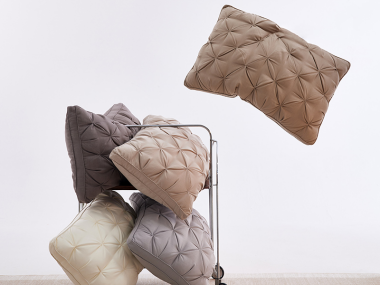
Throw pillow covers are a delightful addition to any home, offering an easy and affordable way to breathe new life into your living space. Whether you're an experienced seamstress or a DIY enthusiast, crafting your own throw pillow covers can be a rewarding experience. This article explores the detailed process of making throw pillow covers, offering step-by-step guidance and invaluable tips to ensure successful results. Let's delve into the art of creating these versatile home accents.
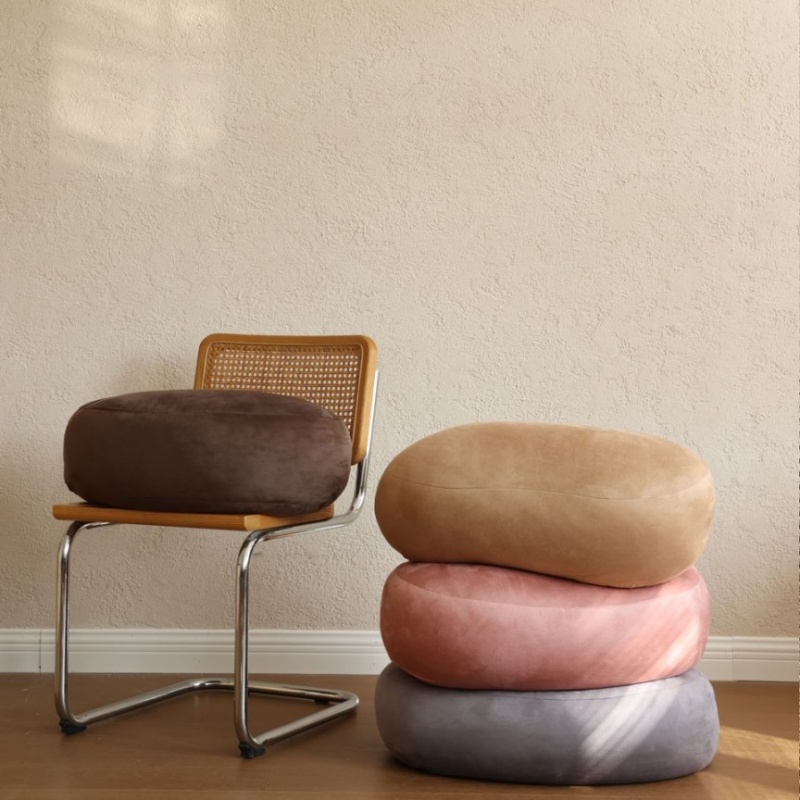
Before embarking on your crafting journey, it's essential to understand what constitutes a good throw pillow cover. The primary purpose of such covers is to protect the pillow, add style, and provide comfort. They come in a myriad of designs, colors, and materials, making it possible to tailor them to your unique preferences and home decor themes.
Throw pillow covers can be made from various fabrics like cotton, linen, velvet, or silk, depending on the intended style and durability. Typical techniques include sewing with zippers, buttons, or envelope closures. These variables all contribute to the overall look and functionality of the pillow cover.
Before you start the crafting process, ensure you have all necessary materials and tools ready:
Start by measuring your pillow. To determine the fabric size, add 1⁄2 to 1 inch to the height and width of your pillow for seam allowances. For example, if you have a 16 x 16-inch pillow, cut two fabric squares measuring 17 x 17 inches each.
Lay your fabric on a flat surface, smoothing it out with an iron if necessary. Use the measuring tape and a pencil or fabric marker to outline the dimensions before cutting. Ensure precision to prevent fitting issues later.
Select the appropriate closure for your pillow cover. Zippers are secure and provide a neat finish, while envelope closures are easier for beginners. Button closures can add a decorative touch.
If you choose a zipper, you'll need a zipper foot for your sewing machine. Pin the zipper face down along one edge of the fabric. Use a basting stitch to secure it temporarily. Then, sew the zipper in place with a regular stitch, removing the basting afterward.
For an envelope closure, cut a back panel in two pieces, adding 3 to 4 inches to allow for overlap. Hem one edge of each panel piece by folding over 1⁄4 inch twice and sewing down the fold. Layer these over the front panel, overlapping the hemmed edges, and pin the sides securely.
Lay the front and back panels together, with the right sides of the fabric facing inward. Pin around the edges, ensuring alignment. If using an envelope closure, make sure the overlap is correctly positioned.
Double-check your pinned layout for accuracy and any fabric shifts before moving to the sewing machine. Sew along the edges with a 1⁄2-inch seam allowance, reinforcing at the corners for added durability. If using a zipper, leave part of the zipper open for turning the cover right side out.
Once you've sewn the seams, clip the corners diagonally without cutting through the stitches. This reduces bulk when turning the pillow cover right side out. Turn the cover out, poke the corners gently with a blunt object to achieve a crisp edge, and give the cover a final press with an iron for a professional finish.
Throw pillow covers are a canvas for creativity. Consider these embellishments to add unique flair:
To prolong the life of your throw pillow covers, consider these care tips:
Ironing: Some materials may require ironing after washing. Adjust the heat settings as per fabric specifications to avoid damage.

Making your own throw pillow covers is not only economically savvy but also allows for personalization that mass-produced options cannot offer. Whether you're redecorating for a season or tweaking a room's aesthetic, handmade covers give you the freedom to represent your style uniquely. By following the steps and considerations outlined above, you can create beautiful, functional pillow covers that enhance your living space's comfort and beauty. Dive into your DIY adventure, and let your creativity flow!