Updatetime:2026-03-09 19:38:41 View:
Memory foam pillows are praised for their comfort, durability, and ability to conform to your body, providing excellent support during sleep. However, with frequent use, these pillows can accumulate sweat, oils, skin cells, dirt, and allergens, which could affect their longevity and hygiene. Unlike traditional pillows, memory foam requires a specific cleaning approach to maintain its quality and ensure it lasts for years. This guide explores everything you need to know about washing and caring for your memory foam pillow, so you can enjoy a fresh and healthy sleeping environment.
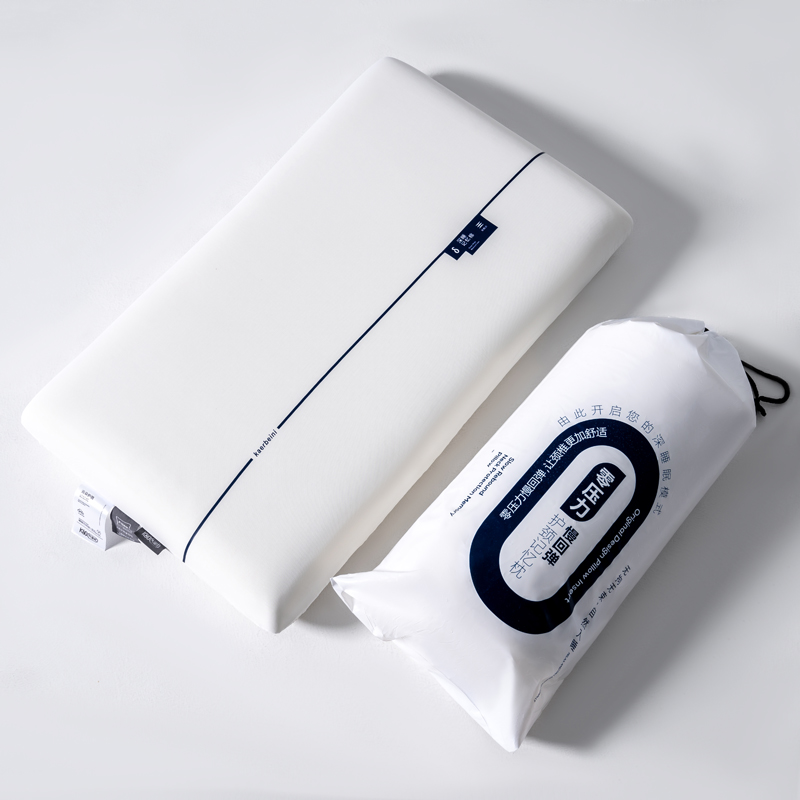
Memory foam pillows are made from viscoelastic polyurethane foam, which reacts to heat and pressure to mold to the unique shape of your head and neck. While memory foam is highly durable and resilient, its delicate structure makes it unsuitable for aggressive cleaning methods. Direct exposure to moisture, heat, or rough handling can damage its integrity. Therefore, learning the best practices for cleaning memory foam is essential to preserve its function and comfort.
Before diving into cleaning methods, it’s important to identify the type of memory foam pillow you own, as some cleaning strategies will vary depending on the design. The main types include:
Once you recognize the type of memory foam, you can tailor your cleaning approach to ensure the best results.
Maintaining cleanliness is vital for any pillow, particularly memory foam pillows. Proper cleaning ensures:
By adopting a proper cleaning routine, you can enjoy a healthier sleep environment and maximize the benefits of your memory foam pillow.
Here’s a step-by-step approach to safely cleaning a memory foam pillow. Ensure you check the manufacturer’s care instructions before beginning, as they provide specific guidance tailored to your pillow type.
To wash your pillow, you’ll need:
Avoid harsh cleaning products or machine washing, as these can significantly damage memory foam pillows.
If your pillow has small stains or spills, spot cleaning is the best option. Follow these steps:
Spot cleaning is the fastest way to target trouble areas without subjecting the entire pillow to unnecessary cleaning.
For deep cleaning, follow these steps to safely wash your memory foam pillow:
Important: Ensure the pillow is rinsed thoroughly, as leftover detergent can irritate your skin or damage the foam over time.
Drying a memory foam pillow correctly is absolutely vital for keeping it in good shape. Improper drying can lead to mold, mildew, or foam degradation. Here's how:
Never use a dryer for memory foam pillows, as the heat can ruin their structure.
Most memory foam pillows come with removable covers that can be washed separately. These covers typically provide an added layer of protection, so cleaning them regularly helps maintain the pillow’s hygiene. Follow these steps:
Regularly washing the pillowcase or cover also reduces the need for intense pillow cleaning in the long run.
To minimize the frequency of cleanings and extend the lifespan of your memory foam pillow, adopt these preventive measures:
Prevention is always better than cure when it comes to maintaining memory foam pillows.
Even with excellent care, memory foam pillows have a lifespan. Typically, they should be replaced every 2–3 years, depending on usage. Signs it’s time for a new pillow include:
Ensuring a timely replacement enhances sleep quality and prevents health concerns.
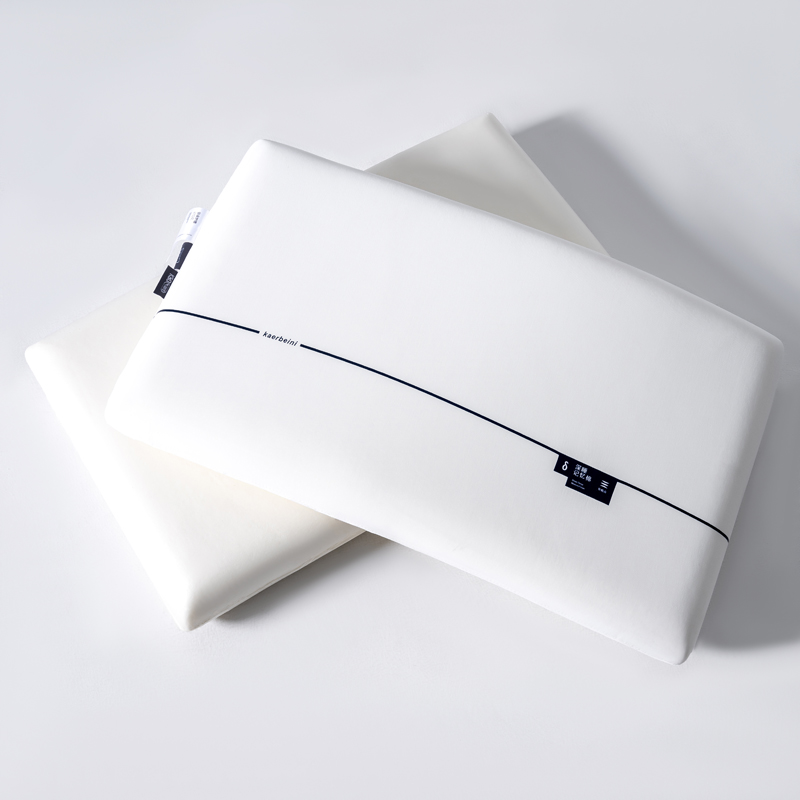
Memory foam pillows offer unparalleled comfort and support, but they require specialized care to maintain their benefits. Washing your pillow correctly ensures hygiene, durability, and a fresher sleeping environment. Whether spot cleaning, deep washing, or addressing the pillow’s removable covers, it’s critical to follow gentle cleaning methods that preserve the foam’s unique properties. Combine this with preventive care, and your memory foam pillow will serve you well for years to come.
Remember, proper maintenance reflects not only in your pillow’s longevity but also in the quality of your sleep and overall health. Explaining the steps in detail and adhering to the dos and don’ts guarantees comfort and peace of mind every night.