Updatetime:2026-03-06 19:33:06 View:
A good night’s sleep is crucial for maintaining optimal health, productivity, and overall well-being. Comfort plays a huge role in achieving restorative sleep, and one of the common challenges that disrupt sleep is overheating during the night. This is where cooling pillows come in. Designed to regulate temperature and dissipate heat, cooling pillows are becoming increasingly popular among sleep enthusiasts. But how do they work? Let’s dive into the science, benefits, and practical insights of cooling pillow technology.
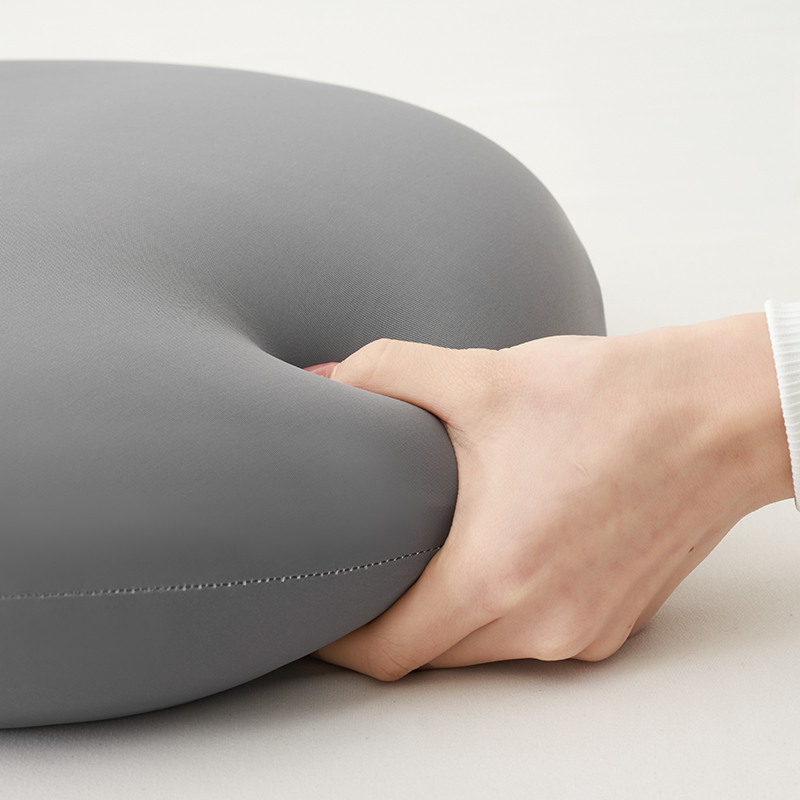
Cooling pillows are specialized pillows designed to regulate temperature and create a cooler and more comfortable sleeping environment. Unlike conventional pillows that may trap heat around your head and neck, cooling pillows incorporate advanced materials and techniques that wick away heat, enhance air circulation, and allow you to stay comfortable throughout the night.
To understand how cooling pillows work, it’s essential to look closely at the materials and mechanisms that drive their functionality. Here are the key technologies behind cooling pillows:
Many cooling pillows feature gel-infused memory foam. The gel acts as a cooling agent, absorbing and dissipating heat from your body while delivering pressure relief and support. Gel-infused pillows work by distributing heat evenly across the pillow’s surface, preventing heat from accumulating in one spot.
Phase Change Materials, often used in advanced cooling pillows, have the ability to absorb, store, and release heat to maintain a consistent temperature. These materials interact with your body temperature, drawing heat away when it becomes too high and releasing stored heat when you begin to cool down. This creates a self-regulating cooling effect throughout the night.
Another feature often seen in cooling pillows is a focus on airflow. Breathable materials such as ventilated memory foam and mesh covers improve air circulation, allowing heat to escape rather than being trapped. Greater airflow helps ensure that your pillow stays cooler, fresher, and more comfortable.
Pillows with moisture-wicking properties, such as those made with bamboo or polyester blends, help keep your head dry by evaporating sweat. Cooling pillows often include such covers to prevent nighttime perspiration from interrupting your sleep.
Some types of cooling pillows incorporate gel pads embedded beneath the pillowcase or within the pillow itself. These pads maintain a lower temperature relative to your body temperature, creating a cooling effect upon contact.
Cooling pillows are not exclusively for individuals with specific medical conditions. Almost everyone can experience their benefits, but certain groups may find them particularly beneficial:
Individuals who suffer from night sweats due to hormonal changes, medication side effects, or health conditions often find cooling pillows invaluable for staying dry and comfortable.
If you’re someone who naturally feels overheated while sleeping, cooling pillows can help prevent discomfort caused by excessive heat retention.
For those residing in regions with high temperatures and humidity, cooling pillows serve as an essential sleep accessory to combat environmental heat.
Both temperature regulation and comfort are critical to overcoming insomnia. Cooling pillows promote a pleasant sleeping environment, which can help induce sleep for individuals struggling with sleeplessness.
Cooling pillows are available in a variety of designs, each catering to different preferences and needs. Here’s a look at the common types:
These combine the contouring support of memory foam with cooling gel technology, providing relief for both heat and pressure points.
Some pillows utilize water for cooling, allowing you to fill the pillow to achieve the desired firmness and temperature regulation.
These pillows often feature removable filling, allowing users to adjust the loft and firmness for personalized cooling comfort.
Natural latex is inherently breathable and temperature-regulating, making it a sustainable choice for cooling pillows.
Hybrid models combine memory foam with other materials, such as latex or down, to balance comfort, cooling, and support.
Selecting a cooling pillow requires consideration of several factors to ensure it meets your individual needs. Here are tips for making the right choice:
Your sleeping position plays a vital role in pillow selection. Side sleepers may need a firmer pillow with higher loft, while back and stomach sleepers often prefer softer, thinner options.
Decide which cooling materials align best with your preferences, whether it’s gel infusion, breathable foam, or moisture-wicking fabrics.
If you’re prone to allergies, choose hypoallergenic cooling pillows made from natural or synthetic antimicrobial materials.
If overheating is your primary concern, look for pillows with advanced cooling technologies such as phase change materials or gel pads.
Make sure the pillow offers adequate support for your head and neck, as comfort is essential for long-term satisfaction.
The durability and effectiveness of cooling pillows depend on proper maintenance. Here are actionable tips to care for your cooling pillow:
A breathable and moisture-wicking pillowcase can help enhance the cooling properties while shielding the pillow from wear and tear.
Follow the manufacturer’s care instructions when cleaning your cooling pillow. Some pillows have washable covers that make maintenance easy.
Prolonged exposure to direct heat or sunlight can damage cooling technologies, especially gel-infused and PCM-based pillows.
Most cooling pillows last between 2 to 5 years. Replace your pillow when signs of wear, deformity, or reduced cooling effects become noticeable.
To amplify the cooling benefits, consider pairing your pillow with other temperature-regulating accessories:
Layering your sleep space with a cooling mattress pad can complement your pillow, keeping your entire bed cooler.
Invest in lightweight sheets and comforters made of moisture-wicking and breathable fabrics like bamboo, cotton, or linen.
Creating a cooler room environment with fans or air conditioning enhances the efficiency of your cooling pillow.
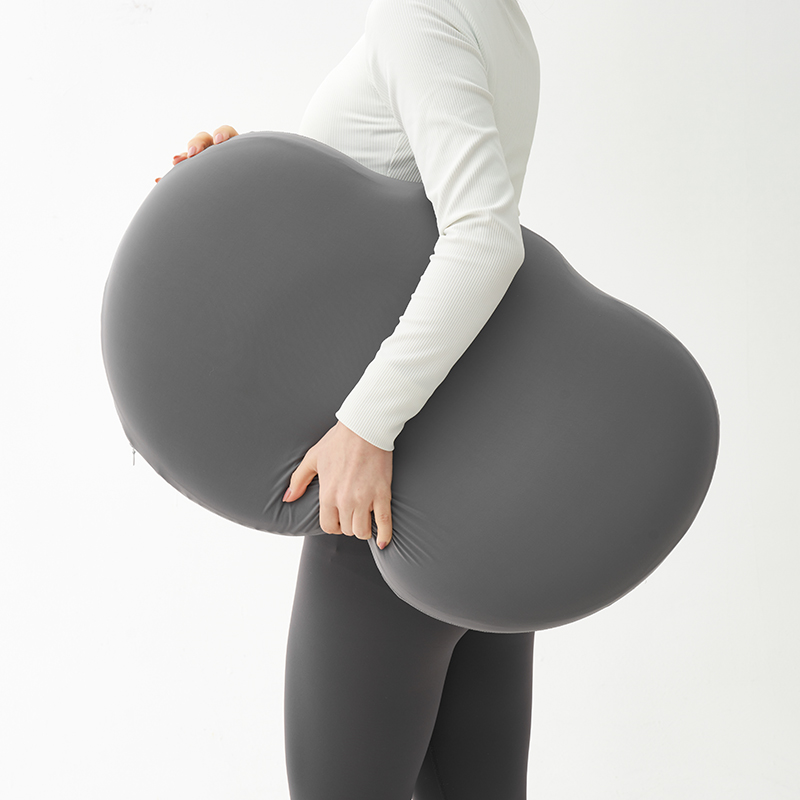
A cooling pillow can be a transformative addition to your sleep routine, especially if you struggle with heat during the night. By leveraging advanced materials and designs, cooling pillows regulate temperature, improve comfort, and promote uninterrupted sleep. Whether you’re a hot sleeper, someone prone to night sweats, or simply seeking enhanced sleep quality, understanding how cooling pillows work can help you make an informed decision.
Always evaluate factors such as materials, personal comfort preferences, and sleeping posture before purchasing a cooling pillow. Combine it with other cooling accessories and create a supportive sleep environment for maximum results. With proper care and maintenance, a cooling pillow can become your trusted companion in achieving the perfect night’s rest.