Updatetime:2026-02-19 19:19:29 View:
Orthopedic pillows have garnered significant attention in the realm of sleep solutions, especially among those suffering from chronic neck and back issues. As society becomes increasingly health-conscious, the role of sleep—and by extension, sleep accessories—has gained prominence in discussions around overall well-being. But do orthopedic pillows truly work, and are they worth the investment? This article delves into the various dimensions of orthopedic pillows, examines their effectiveness, and sheds light on how they may serve as an integral component of a healthier lifestyle.
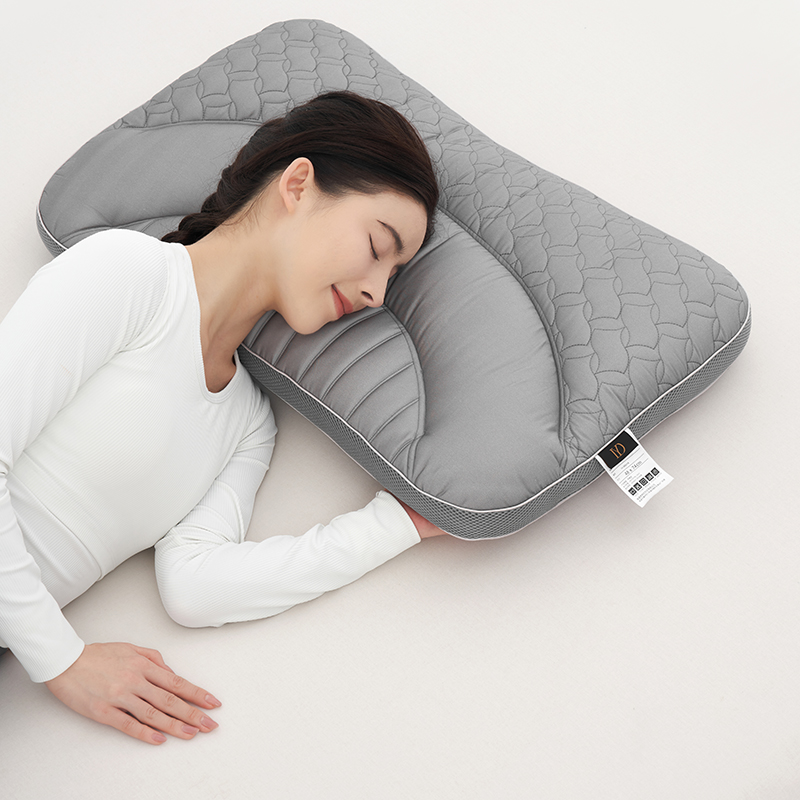
Orthopedic pillows are specially designed pillows that support the natural curve of the body, specifically targeting areas like the neck, shoulders, and spine. Unlike conventional pillows, orthopedic variants aim to maintain alignment, reduce pressure points, and enhance comfort during sleep. They come in various shapes, sizes, and materials, each engineered to cater to different sleeping positions and preferences.
The principle driving the design of orthopedic pillows is biomechanical optimization. By facilitating proper anatomical support, these pillows strive to alleviate stress on the musculoskeletal system. Typically, they are made of materials such as memory foam, latex, or gel-infused fabrics, which contour to the body's shape. This customization ensures that the pillow reduces the load and stress on the cervical spine, thereby offering potential relief from pain and discomfort.
The advantages of orthopedic pillows encompass more than just enhanced comfort. Let's break down some of the primary benefits these pillows offer:
Many individuals who suffer from neck pain, headaches, or other cervical issues find that orthopedic pillows provide significant relief. By maintaining the neck in a neutral position, these pillows can help reduce muscle strain and spinal misalignment, which are common culprits behind persistent pain.
Proper support and alignment can lead to better sleep quality. As the pillow minimizes discomfort, individuals tend to experience fewer interruptions in their sleep cycle, leading to a more restful and restorative sleep.
Maintaining spinal alignment is crucial for long-term health. Poor posture during sleep can contribute to various health issues, including back problems and exacerbated arthritic symptoms. Orthopedic pillows promote the natural curvature of the spine, encouraging optimal posture even while one sleeps.
Whether you are a side sleeper, back sleeper, or stomach sleeper, there is likely an orthopedic pillow designed to coach your body into a healthier posture. This versatility ensures that users can find tailored solutions for their individual needs, often making it possible to address multiple issues with a single product.
While the benefits of orthopedic pillows are compelling, there are several factors to consider before making a purchase:
Each individual has unique needs when it comes to sleep support. An effective orthopedic pillow for one person may not work well for another. Factors such as body weight, sleep position, and specific medical conditions need to be considered when selecting a pillow.
The material of the pillow plays a substantial role in its effectiveness and durability. Memory foam, for instance, is known for its contouring properties but can also retain heat. Latex is another popular choice for its firm support and hypoallergenic properties. It’s essential to weigh these attributes against personal preferences.
Orthopedic pillows can be more expensive than standard pillows. Considering their benefits, they often offer good value for money. However, it's important to verify the credentials of the product and ascertain that it truly meets orthopedic standards to justify the cost.
Many orthopedic pillows come with trial offers that allow users to test them out for a period. Adjustability is another factor to consider; some pillows offer adjustable fillings to accommodate different levels of firmness and loft, thus providing a more customized experience.
Choosing the right orthopedic pillow involves careful consideration of several factors to ensure maximum benefit:
Understanding your predominant sleep position can help you select the right type of pillow. Back sleepers might benefit from thinner pillows that cradle the neck, while side sleepers may require thicker, firmer options to fill the gap between the shoulder and neck.
If you have chronic pain or specific medical concerns, consulting with a healthcare provider can offer guidance tailored to your needs. Physicians or physical therapists can recommend specific pillow types that support therapeutic goals.
Take time to read reviews and explore expert opinions on different products. Feedback from other customers can help unearth common issues or standout benefits before you make a purchase.
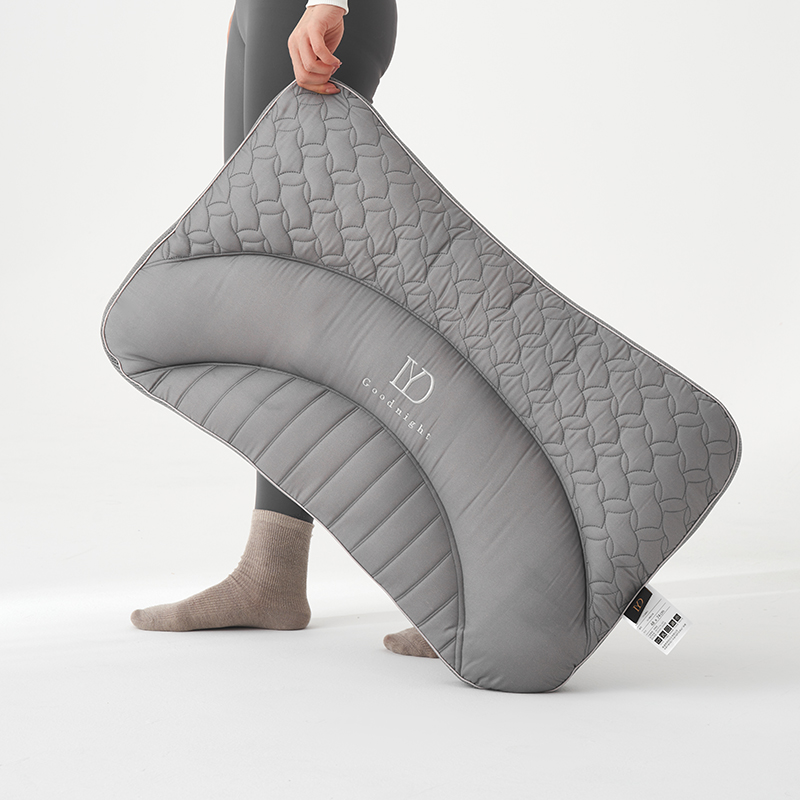
Orthopedic pillows offer a scientifically-backed approach to improving sleep quality and overall health. Though they are generally effective in providing proper support and promoting spinal alignment, their success will largely depend on individual needs and preferences. Those considering orthopedic pillows should invest the time to research their options, consult healthcare professionals if necessary, and potentially try different products to find the perfect fit.
In the quest for quality sleep and a pain-free lifestyle, orthopedic pillows indeed hold promise. For individuals plagued by chronic pain or seeking to boost their sleep quality, investing in an orthopedic pillow could be a wise decision. However, as with all health-related products, it is crucial to approach purchases informed and based on personal requirements.