Updatetime:2026-02-16 19:03:17 View:
Memory foam pillows are widely appreciated for their ability to conform to the shape of your head and neck, ensuring comfort and proper spinal alignment during sleep. But when considering purchasing any type of bedding product, especially memory foam pillows, it's essential to understand the materials used in their construction—fiberglass being one worth investigating. Fiberglass is a material that often triggers a mix of confusion and concern among consumers. If you're wondering whether memory foam pillows contain fiberglass, this article will delve into the topic comprehensively, offering insights and practical advice.
Fiberglass is a composite material made from fine glass fibers woven together to create a durable, lightweight, and heat-resistant material. While it is primarily used in industrial applications—for instance, insulation, roofing, and reinforced plastics—it also finds its way into consumer products. In the context of bedding, fiberglass is commonly used as a fire retardant material.
The use of fiberglass in mattresses and some pillow products stems from strict fire safety regulations, which require products to withstand open flame exposure for a certain period of time. Fiberglass is an inexpensive and effective solution to meet these standards. However, its inclusion in bedding has been controversial due to potential health risks and complications associated with its release from poorly manufactured or damaged products.
Not all memory foam pillows contain fiberglass. Whether fiberglass is present depends on the specific product and brand. Manufacturers may use fiberglass or alternative flame retardant materials depending on their design choices, cost considerations, and compliance with fire safety standards.
In pillows, fiberglass is generally less common than in mattresses, as pillows are smaller and often subject to different flame resistance requirements. However, it’s crucial for consumers to verify product details meticulously when purchasing memory foam pillows, particularly cheaper models, as certain budget options may incorporate fiberglass to reduce costs while meeting safety standards.
While manufacturers are not always upfront about the inclusion of fiberglass, there are certain steps you can take to confirm whether a memory foam pillow contains this material:
The use of fiberglass in memory foam pillows may pose risks, particularly if the pillow’s outer cover is damaged or improperly handled. When exposed, fiberglass can cause significant health and safety concerns:
When fiberglass particles become airborne, they can be inhaled, causing irritation to the respiratory tract and lungs. In some cases, prolonged exposure could result in serious health problems, including asthma or bronchitis. Additionally, fiberglass particles can irritate the skin and eyes, leading to rashes, itching, and redness.
If a pillow containing fiberglass breaks open, the material can contaminate your home environment, embedding itself into carpets, bedding, and furniture. Cleaning fiberglass is notoriously challenging—it often requires professional services and specialized equipment to tackle effectively. Improper cleanup may result in prolonged exposure to harmful particles.
Given the potential risks associated with fiberglass exposure, many consumers prefer to avoid products containing this material altogether. Here are practical tips to help you keep fiberglass out of your home:
When buying memory foam pillows, quality matters. Opt for products made from premium materials, as these are less likely to rely on cost-cutting measures such as fiberglass inclusion. While high-quality pillows may be more expensive, they are often safer and longer-lasting investments.
Many modern memory foam pillow brands provide flame-resistance alternatives to fiberglass, such as natural wool, silica, or chemical-free fire barriers. These materials are generally more eco-friendly and safer for consumer use.
Always conduct thorough research before committing to a purchase. Look for certifications and safety standards that ensure the pillow adheres to ethical and non-toxic manufacturing practices. Certification tags like CertiPUR-US can help point you in the right direction regarding safer foam and flame retardant use.
If you already own a memory foam pillow and suspect it contains fiberglass, refrain from removing its outer cover unnecessarily. Manufacturers typically use covers to encase and seal potentially hazardous materials, preventing contact with the user.
If fiberglass particles have contaminated your living space due to pillow damage, here are steps to address the issue:
See a Doctor: If you experience skin irritation or respiratory issues, consult a healthcare professional promptly.
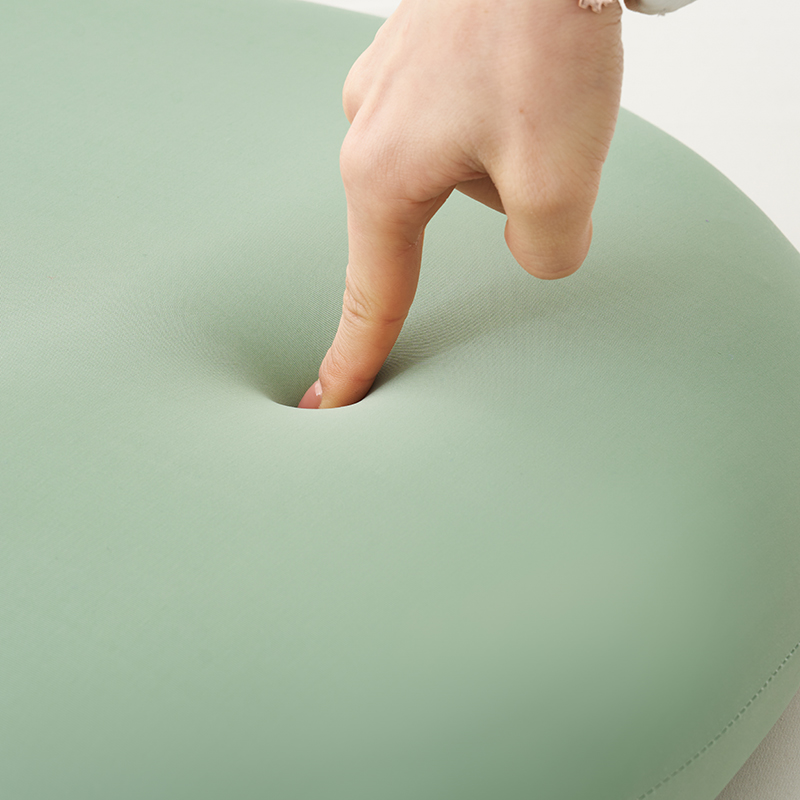
While not all memory foam pillows contain fiberglass, it is essential to stay vigilant when selecting bedding products. Fiberglass, though useful for fire safety, comes with potential risks if exposed to users. By prioritizing quality and performing due diligence before purchasing, you can avoid complications and ensure a safe sleeping environment. Whether you're purchasing a memory foam pillow for enhanced comfort or better sleep support, understanding its material composition will empower you to make informed, confident decisions. Remember, your pillow plays a vital role in your overall health and well-being, so choose wisely!