Updatetime:2026-02-03 19:49:58 View:
In recent years, the resurgence of bed bugs has caused considerable anxiety among homeowners and travelers alike. These nocturnal pests are notorious for their stealthy nature and elusive hiding spots, prompting many to wonder: do bed bugs hide in pillows? Understanding the behavior and preferred habitats of bed bugs is essential for effective management and prevention. This article delves into the question of whether pillows serve as a sanctuary for bed bugs, providing a comprehensive overview and practical advice on identification, prevention, and eradication.
Bed bugs, scientifically known as Cimex lectularius, are small, wingless insects that feast on the blood of humans and animals. They are adept at hiding and can conceal themselves in a variety of places, making detection challenging. Bed bugs are particularly active at night, and their flat bodies allow them to wedge themselves into minuscule crevices.
Bed bugs tend to stay close to their food source, which is the host's sleeping area. They can survive in various temperatures, although they thrive at room temperature. When feeding, they inject an anticoagulant and painkiller to ensure a painless and prolonged feeding session, usually lasting five to ten minutes. After feeding, they retreat to their hiding spots to digest and breed.
Bed bugs are apt at finding shelter in mattresses, box springs, bed frames, headboards, and nearby furniture. However, their hiding ability is not limited to the bed; they can spread to other areas, especially if the infestation is severe. Bed bugs seek locations that provide both proximity to the host and protection from detection.
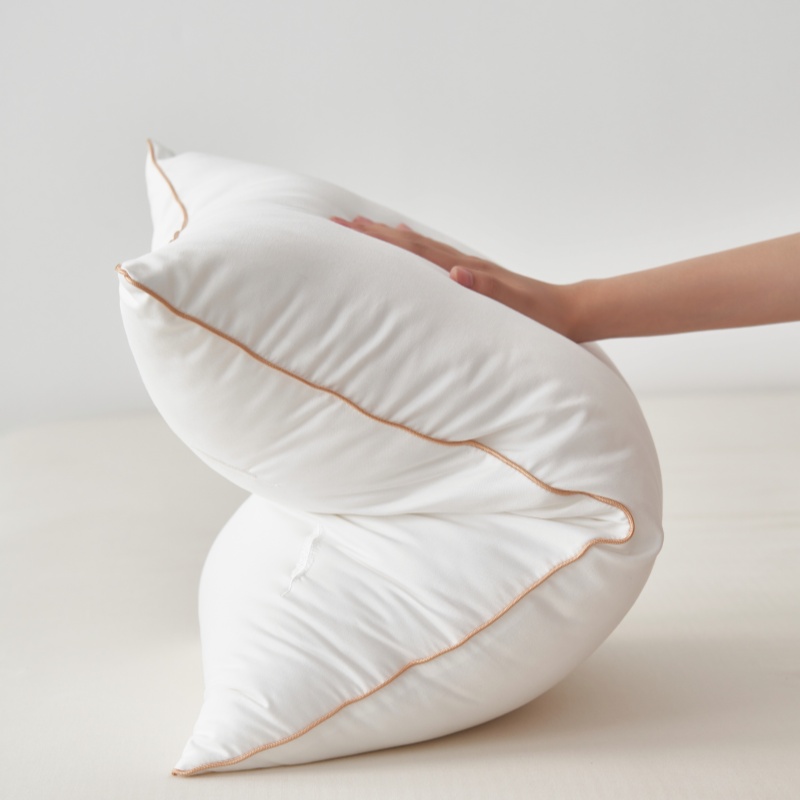
Pillows are commonly suspected to house bed bugs mainly due to their close contact with the human body. While pillows are less likely to be initial infestation sites, they can become secondary hiding spots, especially if bed bugs have spread from mattresses or other nearby areas.
Pillows are generally less attractive to bed bugs compared to mattresses or furniture due to their composition and structure. Most pillows have smooth surfaces that offer fewer hiding opportunities. However, pillows with seams, zippers, or decorative elements may inadvertently provide enough space for bed bugs to exploit. Feather or down pillows, which are less densely packed than memory foam or polyester alternatives, may offer greater access for bed bugs to conceal themselves.
In summary, while bed bugs can hide in pillows, it is less common compared to other locations. Nonetheless, pillows can still be part of an infestation cycle if they are within reach of established bed bug habitats.
Detecting bed bugs early is crucial in managing an infestation. To determine if bed bugs are taking refuge in pillows, look for the following signs:
Bed bug bites are typically small, red, and itchy, often arranged in clusters or linear patterns on areas exposed during sleep. While bite marks can suggest bed bug activity, they are not definitive proof due to similarities with other insect bites.
Given the adaptability of bed bugs, prevention through vigilance and proactive management is essential. Here are practical tips to minimize bed bug risks:
Conduct periodic inspections of sleeping areas, focusing on mattresses, pillows, and surrounding furniture. Use a flashlight to identify hidden crevices or seams where bed bugs might reside.
Use pillow encasements designed to block bed bugs. Ensure they are tightly sealed, without tears or loose threads. Wash pillows regularly in hot water and dry them on high heat to eliminate any bed bugs.
Maintain cleanliness to deter bed bugs from establishing colonies. Vacuum frequently, paying attention to corners and cracks. Avoid clutter in bedrooms, as it presents more hiding spots for bed bugs.
If bed bugs are discovered in pillows, a comprehensive treatment plan must be executed to ensure complete removal:
Engaging a pest control expert guarantees a thorough assessment and tailored treatment plan. Professional exterminators possess the knowledge and equipment necessary to eradicate entrenched bed bugs.
For minor infestations, consider the following DIY methods:
Bed bugs are notorious hitchhikers, often accompanying travelers on return trips. Adopt these strategies to avoid introducing them into your home:
Upon returning home, unpack in laundry areas and wash traveling clothes promptly.
The question of whether bed bugs hide in pillows is multifaceted, requiring a nuanced understanding of bed bug behavior and habitat preferences. While less common, pillows can serve as secondary hiding spots in larger infestations. Vigilance, preventive measures, and informed eradication strategies are pivotal in managing and lessening bed bug threats.
Ultimately, maintaining a clean and inspected sleeping environment is key to minimizing the risk of bed bug presence. By consistently employing proactive measures, you can safeguard your home against these resilient pests and ensure a peaceful night's sleep.