Updatetime:2026-02-02 19:47:28 View:
In the world of pests, bed bugs are notorious for their ability to cause discomfort and infest homes. Known for their resilience and ability to spread rapidly, homeowners often face numerous challenges when dealing with this nuisance. As a common question in the realm of pest control, many wonder: do bed bugs get in pillows? In this article, we will dissect this question from multiple angles, shedding light on factors that contribute to their presence in pillows and offer practical advice for prevention and elimination.

Bed bugs are small, elusive insects that feed on the blood of humans and animals. Their preferred hiding places are close to their food source, which is why they are often found in beds, mattresses, bed frames, and bedding. These pests are adept at concealing themselves, aided by their flattened bodies that allow them to squeeze into tiny cracks and crevices.
Adult bed bugs are about 4 to 5 mm in length and can appear reddish-brown in color. They are wingless, making crawling their primary mode of transportation. They also exhibit a nocturnal behavior, preferring to feed during the night when their hosts are asleep. Although their bites are not painful initially, they can lead to itching and redness after the fact, causing significant discomfort.
Though bed bugs typically gravitate towards mattresses due to their proximity to a food source, they can indeed infest pillows as well. There are several reasons why bed bugs may find their way into your pillows:
Pillows are an integral part of bedding, often positioned very close to where a person rests their head. This proximity allows bed bugs to easily move to and from the host to feed.
Bed bugs are attracted to the heat and carbon dioxide emitted by sleeping individuals. As people exhale, the air within their vicinity becomes warmer and richer in carbon dioxide which acts as a beacon to these pests.
The soft, cushioned nature of pillows makes them an inviting habitat for bed bugs. They can hide in seams, folds, or small tears, taking advantage of the fabric’s texture to secure themselves.
While bed bugs are small and good at hiding, certain indicators can assist in identifying their presence within pillows:
Upon inspection with a flashlight or magnifying glass, you might notice small bugs or dark spots that resemble droppings on your pillows. These are telltale signs of a bed bug infestation.
Sometimes, bed bugs can be crushed during sleep, leaving behind small blood stains on pillowcases or the pillow itself. These stains should raise suspicion of a potential issue.
If you notice small, red, itchy welts after sleeping, bed bugs may be the culpable parasites. Their bites often appear in lines or clusters.
Prevention is the best strategy when dealing with bed bugs. Here are some tips to consider for keeping pillows free from these pests:
Encasing your pillows in bed bug-proof covers can act as a barrier, preventing bugs from entering. These covers are designed to be impermeable yet breathable, ensuring comfort.
Frequent laundering of pillowcases in hot water can help exterminate any bed bugs or eggs that might be present. Drying pillowcases on high heat further ensures their removal.
Routine vacuuming of your bed and the surrounding area can remove any loose bed bugs, reducing the chance of their settling into pillows.
If you discover bed bugs in your pillows, acting swiftly to eradicate them is crucial:
Exposing pillows to high temperatures can effectively kill bed bugs at all life stages. You can wash and dry pillows on the hottest setting or consider professional heat treatment services.
Bed bugs cannot survive extreme cold. Sealing pillows in bags and placing them in a freezer for several days can eradicate infestations.
Natural bed bug sprays or powders can be used on affected pillows to manage infestations. However, ensure that any product is safe for use on fabric and around humans and pets.
In situations where self-treatment does not suffice, professional pest control services can offer expertise and more advanced solutions. Pest control professionals have access to treatment methods that might be unavailable to the general public, and they can tailor their approach based on the severity of an infestation.
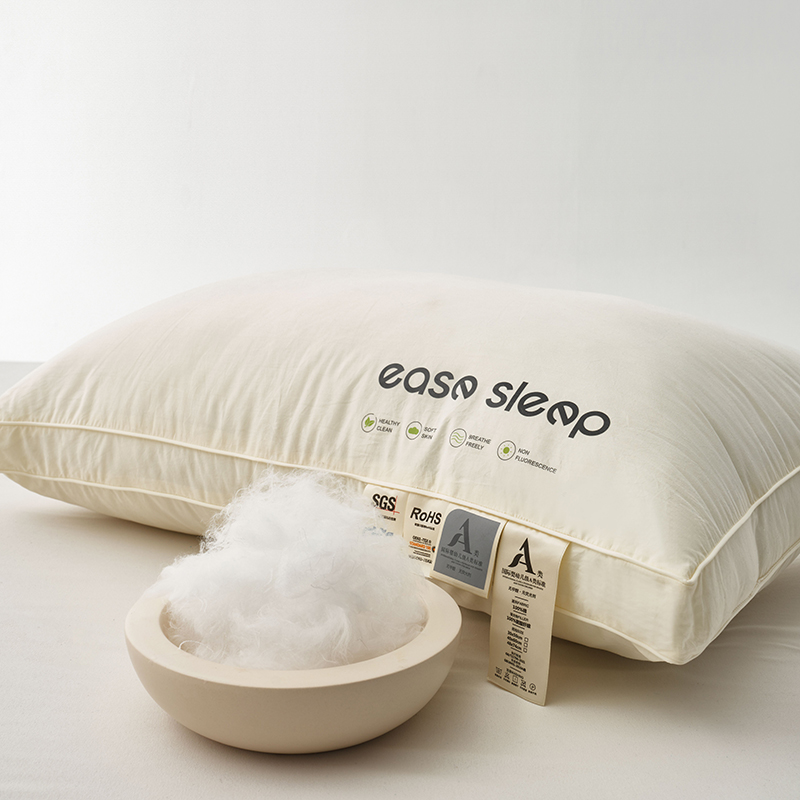
Bed bugs are indeed capable of infesting pillows in addition to mattresses and other bedding. Understanding their habits and identifying signs of their presence is key to maintaining a bed bug-free environment. While pillows can be more challenging to treat due to their shape and material, taking preventative steps such as using protective covers, regular cleaning, and vacuuming can reduce the risk of an infestation. Ultimately, vigilance paired with smart preventive measures can keep you well-equipped against these unwelcome intruders.
Being informed about bed bugs and proactive in maintaining clean and safe sleeping environments will contribute significantly to your peace of mind. Should any signs of bed bugs arise, utilizing this knowledge to quickly address and eliminate them will protect your home and ensure comfort when seeking rest.