Updatetime:2026-01-29 19:38:43 View:
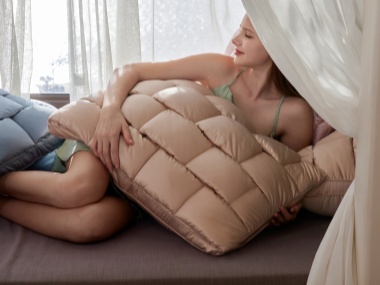
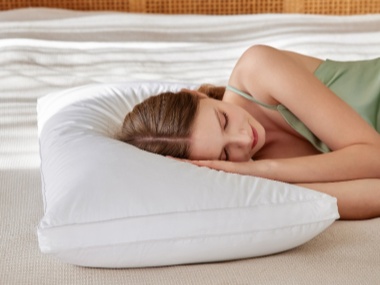
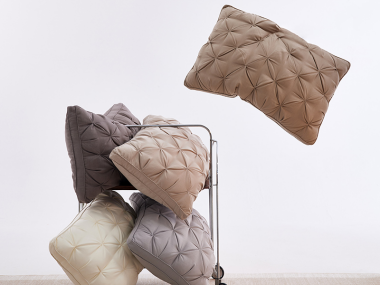
Throw pillows are a staple in interior design, offering comfort and improving the aesthetic appeal of the spaces they adorn. However, with regular use, these decorative elements can accumulate dirt, dust, and odors, necessitating proper cleaning methods to maintain their charm and hygiene. One common query that arises in this context is whether throw pillows can be washed in a washer. This article delves into this topic, offering a comprehensive guide on the best practices for cleaning throw pillows, complete with actionable advice and valuable insights.
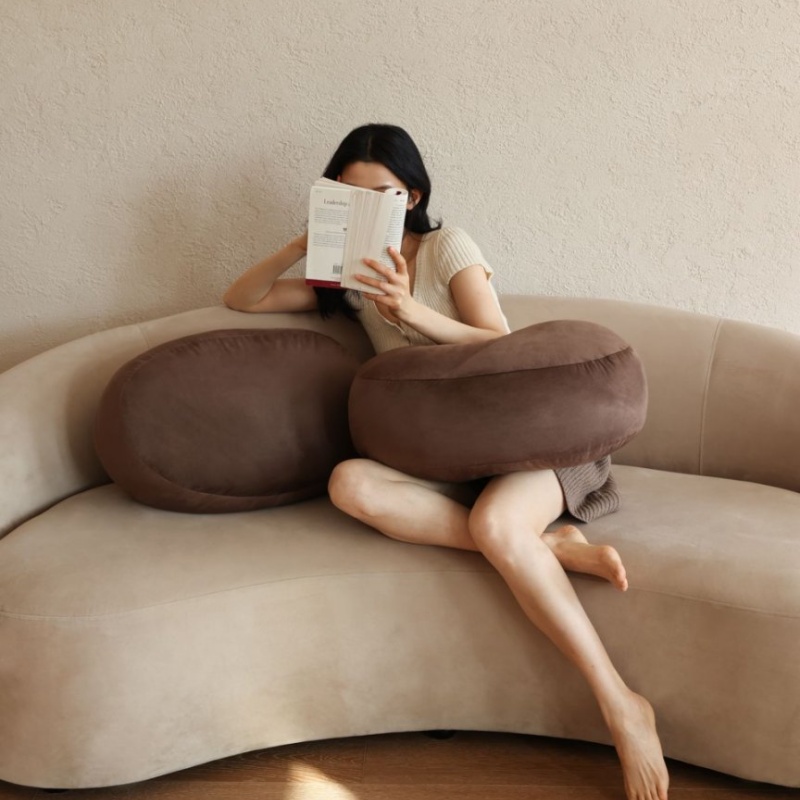
Before exploring the intricacies of washing throw pillows, it's essential to understand their composition and the implications thereof. Throw pillows typically consist of the following elements:
Both these components influence the washing approach and potential outcomes. Assessing each lets you tailor a care regimen that maintains the pillow's texture, shape, and appearance.
The first step in maintaining throw pillows is to read and understand the care labels. These tags provide pertinent information regarding the appropriate cleaning methods and any restrictions. While some pillows facilitate machine washing, others require specific hand washing techniques or professional cleaning services. Following these guidelines minimizes damage risk and prolongs the lifespan of the pillows.
Machine washing throw pillows can be a convenient option, offering thorough cleaning and saving time. However, it's vital to understand both the advantages and potential drawbacks involved in this method to make an informed decision.
Understanding these factors helps in making a suitable choice between machine and hand washing.
Should you decide to proceed with machine washing, adhering to specific steps can optimize results and preserve the quality of your throw pillows.
Identify the pillow's fabric and fill type. Machine washing is generally safe for cotton and polyester, whereas silk or velvet may require alternative care methods. If your pillow includes removable covers, consider washing them separately.
Use mild detergent, preferably free from harsh chemicals, fragrances, and additives that might harm the pillow's fabric or fill. Bleach should be avoided unless specifically recommended for stain removal, as it might compromise color integrity and fabric strength.
Set the machine on a gentle cycle, opting for cold or warm water. High temperatures can damage materials, lead to shrinking, or degrade the quality of synthetic fibers or fill materials.
Place the pillows in the washer, ensuring even distribution and ample space for movement. Washing multiple pillows requires careful arrangement to prevent tangling or wear due to friction.
Once the washing cycle completes, it's critical to dry the pillows properly to prevent mold growth and maintain their structure:
If machine washing poses risks to your throw pillow's integrity, consider alternative methods that offer safety and efficiency:
Spot cleaning involves addressing specific stains or dirt patches without immersing the entire pillow. Using a damp cloth or sponge with mild detergent can clean targeted areas effectively.
For delicate fabrics, hand washing with gentle motion in a basin of warm water and mild detergent ensures better care and minimizes the risk of damage compared to machine washing.
Lightly-soiled pillows or those needing specialized attention may benefit from professional cleaning services, especially for expensive or uniquely crafted items.
In addition to washing, proactive care practices prevent dirt accumulation and minimize frequent deep cleaning needs:
Protective Covers: Employing removable covers reduces direct soiling of the pillow itself.
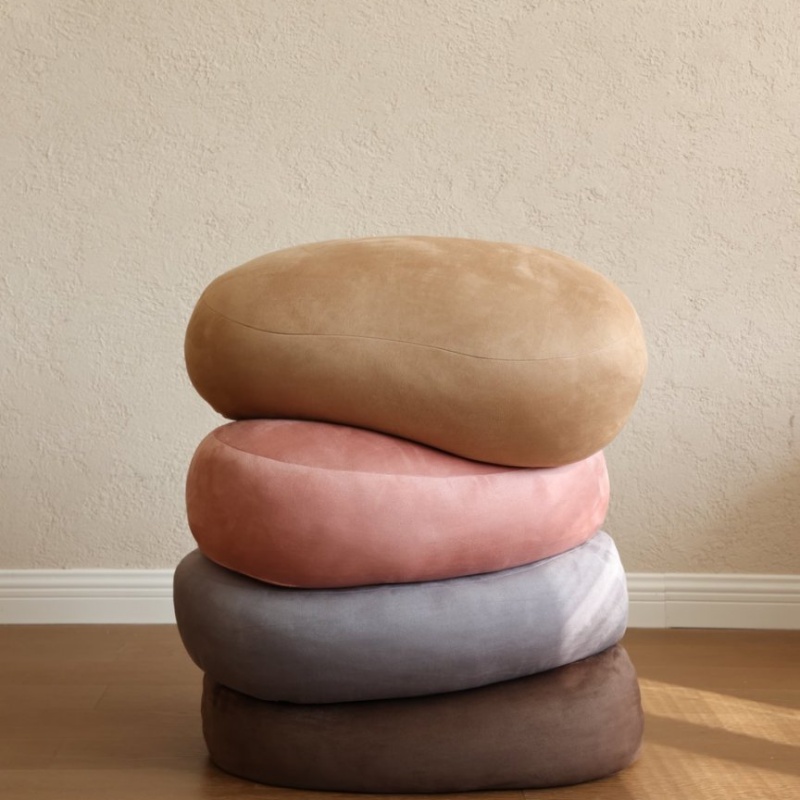
Throw pillows are essential in creating cozy, welcoming environments. Proper care, including when and how to wash these accessories in a washer, promotes both aesthetic appeal and hygiene. By considering factors such as fabric, fill, and handling techniques, you can ensure the durability and attractiveness of your cushions. Whether opting for machine washing, meticulous hand cleaning, or seeking professional care, keeping throw pillows fresh and clean enhances your living space significantly. Regular maintenance, combined with the right washing practices, safeguards pillows against wear, prolonging their life and maximizing their decorative impact.