Updatetime:2026-01-23 20:04:24 View:
Microfiber pillow covers are a popular choice for many households, thanks to their soft texture, durability, and moisture-wicking properties. They not only enhance the comfort of your sleep but also contribute to maintaining hygiene. However, like any bedding product, microfiber pillow covers require proper care to preserve their quality and extend their lifespan. One of the most common questions is: can you wash microfiber pillow covers? The answer is yes. In this article, we’ll explore how to clean microfiber pillow covers, along with tips to ensure that your routine is effective and safe.
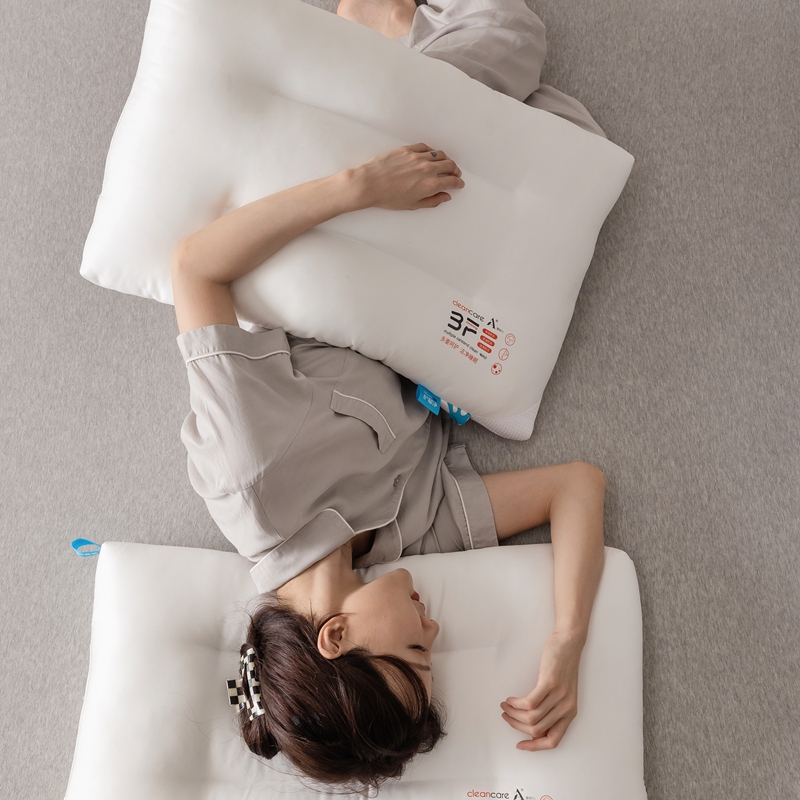
Microfiber pillow covers are made from ultra-fine synthetic fibers, which can trap dirt, oils, allergens, and bacteria over time. Regular washing ensures a hygienic environment, prevents skin irritations, and reduces allergens like dust mites. Proper cleaning also helps maintain the softness and structural integrity of microfiber, making it last longer.
Before diving into the cleaning process, it’s essential to understand the characteristics of microfiber fabric. Microfiber is a synthetic material often made of polyester or nylon. It’s known for its ability to wick moisture, resist stains, and repel dust. Despite its durability, microfiber can be prone to damage if not handled carefully, such as shrinking or losing its soft texture.
- Lightweight and breathable
- Hypoallergenic properties
- Highly resistant to stains
- Smooth texture that feels luxurious
- Long-lasting fiber strength with proper care
Now that you understand the basics of microfiber material, let's dive into the cleaning process. While microfiber pillow covers can be machine-washed, there are specific techniques and precautions to follow to avoid damaging their fibers.
Always begin with checking the manufacturer's care instructions on the label. This will help you understand any specific guidelines or restrictions, such as washing temperature or detergent options.
Before washing, inspect your microfiber pillow cover for loose dirt, dust, or hair. Shake it out or use a gentle fabric brush to dislodge these particles. This step is particularly useful if the pillow cover is heavily stained.
If you notice stains, pre-treat them before washing. Use a mild detergent or fabric stain remover to target specific areas. Apply the solution to the stain, let it sit for several minutes, and gently rub it in with a microfiber cloth to avoid causing fabric damage.
If the pillow cover is machine washable, use the following best practices:
Microfiber is sensitive to harsh chemicals, so opt for mild or eco-friendly detergents. Avoid bleach, as it can weaken the fibers and cause discoloration. Additionally, steer clear of fabric softeners because they can coat the tiny fibers, rendering them less effective at their job.
If you prefer to hand wash, fill a basin or sink with lukewarm water and a mild detergent. Submerge the microfiber pillow covers, gently agitate them, and rinse thoroughly to remove soap residue.
Whether you machine wash or hand wash, rinsing is crucial. Soap residue can make microfiber fabrics stiff and reduce their ability to wick moisture properly. Ensure you rinse the cover until the water runs clear.
Microfiber dries quickly, but drying it incorrectly can lead to lint buildup or degradation:
In addition to a proper washing routine, there are other maintenance practices that can help keep microfiber pillow covers in tip-top shape:
Create a cleaning schedule based on your usage habits. For instance, if your pillow cover is used daily, it’s good practice to wash it once every two weeks or more frequently if needed.
Use pH-neutral cleaning agents to avoid damaging the fibers. Also, steer clear of bleach, solvents, and dyes to preserve the original softness and color of microfiber.
When not in use, store clean microfiber pillow covers in a breathable container. Avoid plastic bags as they can trap moisture and lead to mold growth.
Consider purchasing multiple microfiber pillow covers and rotating them. This reduces wear and tear on a single cover and extends its lifespan.
Excessive exposure to sunlight can weaken microfiber fibers over time. Keep pillow covers in a shaded location, especially when drying them outdoors.
Microfiber fabrics, while durable, do contain synthetic components like polyester. Proper washing techniques can help reduce the shedding of microplastics into wastewater. To be eco-conscious, consider using washing machine bags designed to trap microplastics during washing or install a microfiber filter for your laundry system.
Even with careful maintenance, you may encounter issues with microfiber pillow covers. Here are solutions to common problems:
If your pillow cover feels stiff after washing, it might have leftover detergent residue. Rewash it with less detergent and rinse thoroughly.
Fading can occur when microfiber is exposed to harsh detergents or heat. Use cold water, gentle detergents, and low-heat drying methods to preserve color.
Shrinking typically results from washing in hot water or using high-heat drying. Always stick to cold water and low-temperature drying techniques.
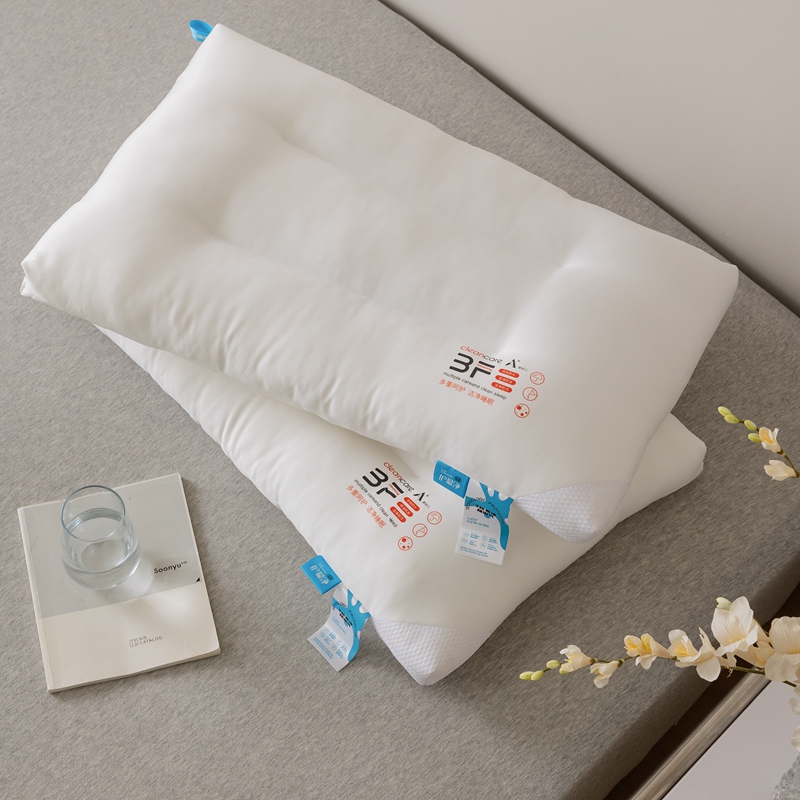
Microfiber pillow covers are a convenient and comfortable addition to any bedding collection, but they require proper care to maintain their quality and performance. Yes, you can wash microfiber pillow covers—and when done correctly, regular cleaning ensures hygiene, prolongs durability, and retains their signature softness. By following the guidelines outlined above, you can keep your microfiber pillow covers looking and feeling their best for years to come.
Remember, the key to preserving microfiber fabric lies in gentle handling, utilizing mild detergents, adhering to the manufacturer's instructions, and avoiding harsh cleaning methods. Incorporate these practices into your routine, and enjoy a clean, comfortable, and long-lasting sleeping experience.