Updatetime:2026-01-21 19:58:10 View:
Memory foam pillows have become increasingly popular due to their comfort and ability to provide excellent support for your head and neck. Given their frequent use, one might wonder: can you wash memory foam pillows in the washing machine? This article seeks to delve into that question, exploring various dimensions including the nature of memory foam, the general recommendations for washing, alternative cleaning methods, and caring tips for durability.
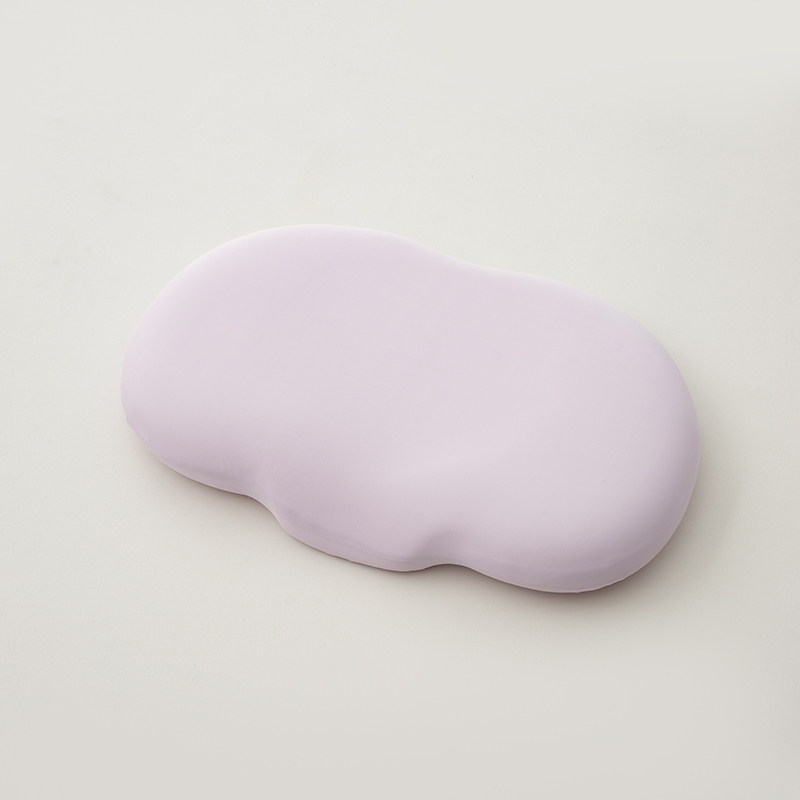
Memory foam, originally developed by NASA, is a type of polyurethane with additional chemicals that increase its viscosity and density. It's known for its ability to conform to the shape of the head, neck, or body, providing customized support. This characteristic sets memory foam apart from traditional pillow materials.
Despite its benefits, memory foam is a sensitive material that demands specific maintenance procedures to preserve its unique qualities. Failure to follow the recommended care guidelines may result in damage or decreased performance.
While it might be tempting to throw your memory foam pillows into the washing machine for a quick clean, doing so can lead to irreversible damage. Here are several risks associated with machine washing:
Memory foam is highly porous, meaning it absorbs water easily and retains it for an extended time. Excessive moisture can cause the foam to lose its structural integrity, resulting in lumps, tears, or gaps.
Washing machines, especially those with vigorous agitation cycles, can stretch, compress, and tear memory foam. This is because the foam is not intended to withstand the mechanical motions inside a washing machine.
Even after washing, memory foam takes a considerable amount of time to dry. If not dried thoroughly, the retained moisture can become a breeding ground for mold and mildew, which are detrimental both to the foam material and your health.
Given the risks associated with machine washing, alternative cleaning methods are recommended for memory foam pillows to maintain their longevity and performance. Consider the following strategies:
Spot cleaning is the safest method for addressing stains and removing dirt from memory foam pillows. Use a clean cloth, mild detergent, and warm water to dab the stained area gently. Ensure you use minimal water to avoid soaking the foam.
Baking soda can be an effective deodorizer and cleaning agent for memory foam pillows. Sprinkle a generous amount of baking soda over the pillow, let it sit for a few hours, and then vacuum it off. This method helps to remove odors and light surface debris.
Although washing directly is not advisable, airing out memory foam pillows can help refresh their cleanliness. Place the pillows under indirect sunlight to help eliminate moisture and odors naturally. Ensure pillows are rotated continually for uniform exposure.
When deeper cleaning is necessary, hand washing with caution can be undertaken. Follow these guidelines:
Prepare a basin of lukewarm water mixed with a small amount of mild soap. Avoid strong detergents or bleach, which can degrade the foam quality.
Submerge the pillow in water and gently knead it to allow the detergent solution to permeate through while effectively removing dirt. Be careful not to twist or wring the foam.
Drain the soapy water and refill the basin with clean water to rinse the pillow until there's no soap residue. Repeat if necessary, ensuring minimal exposure to water.
Use a towel to dab and press out extra water from the pillow before laying it flat for drying.
Preventive measures can significantly extend the life and comfort of your memory foam pillows. Consider these tips:
Investing in a high-quality pillow cover can shield memory foam pillows from dust, moisture, and accidental spills. Look for covers that are breathable and washable.
Although memory foam is not fluffed like other materials, it benefits from gentle jostling to redistribute any compressed areas, maintaining the pillow's shape.
Keep pillows away from direct heat sources as memory foam can become misshapen or weakened due to excessive heat.
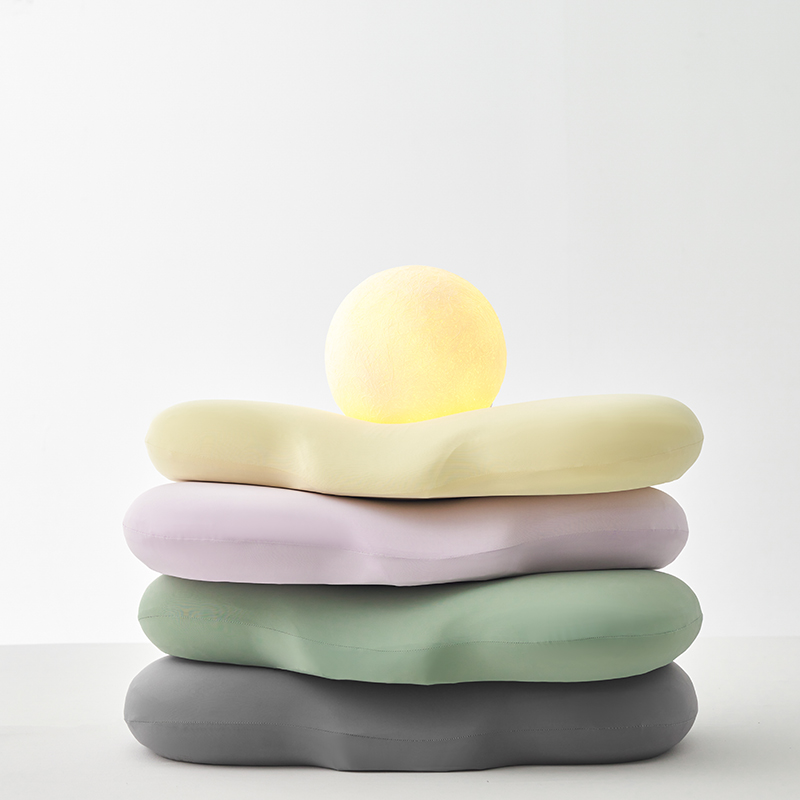
While machine washing offers convenience, it is not suitable for memory foam pillows due to the potential damage it can incur. Instead, choosing methods like spot cleaning, airing, and hand washing ensures these pillows retain their comfort and reliability over time. By understanding the nature of memory foam and investing in preventive care, you cultivate an environment of hygiene and superior support that enhances your sleep quality.
In summary, memory foam pillows require gentle care and consistency in upkeep, ultimately resulting in a rewarding and restful experience. Consider implementing the strategies outlined above for optimal care and maintenance.