Updatetime:2026-01-19 19:51:19 View:
Memory foam pillows have gained popularity over recent years due to their ability to provide excellent support and comfort. However, like all bedding items, they require regular cleaning to maintain hygiene and prolong their lifespan. Many people often wonder, 'Can you wash a memory foam pillow?' The simple answer is yes, but it comes with several considerations and specific care instructions. In this article, we will explore in-depth how to care for your memory foam pillow, ensuring it remains in top condition for years to come.
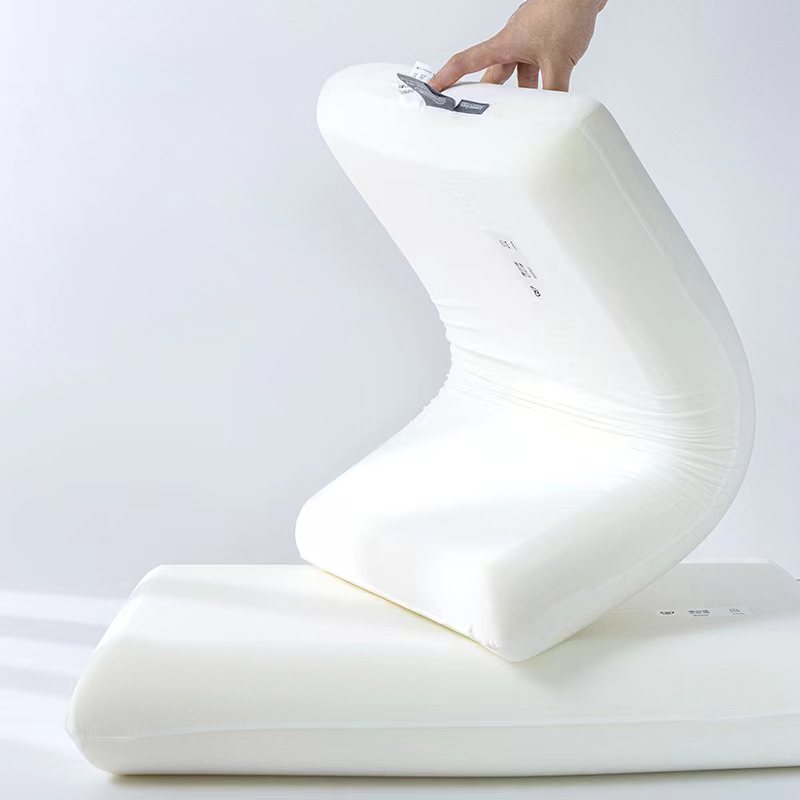
Before diving into the cleaning process, it’s essential to understand what memory foam is and why it requires special care. Memory foam, or viscoelastic foam, is a type of polyurethane material that is sensitive to pressure and temperature. This material molds to the shape of your head and neck, providing personalized support.
While its unique properties make it an excellent choice for pillows, they also mean traditional cleaning methods are unsuitable. Excessive moisture, strong detergents, or vigorous wringing can damage the memory foam structure, reducing its effectiveness and lifespan.
Regular maintenance can go a long way in reducing the need for frequent washing. Here are some simple care tips that can keep your memory foam pillow fresh between washes:
Spot cleaning is a highly effective method to target specific stains without saturating the pillow entirely. Here’s a step-by-step guide:
Over time, your pillow may require a more thorough cleaning. Washing the entire pillow is not advisable, but here’s how you can deep clean it without causing damage:
Many wonder if using a washing machine is a viable option. Generally, memory foam pillows should not be machine washed. The agitation and spin cycles can tear foam, compromising the pillow's structure. If a machine wash is considered absolutely necessary, ensure the machine is set to the softest wash cycle without spinning, and place the pillow in a mesh laundry bag for added protection.
Proper drying is crucial. Memory foam must be dried thoroughly to prevent mold or mildew growth. Here’s how to ensure complete drying:
Even with regular care, memory foam pillows have a limited lifespan. Typically, they should be replaced every 2-3 years or as soon as they lose their shape or support. Over time, accumulation of oil, dust mites, and regular wear can render even the best-maintained memory foam pillow less effective.
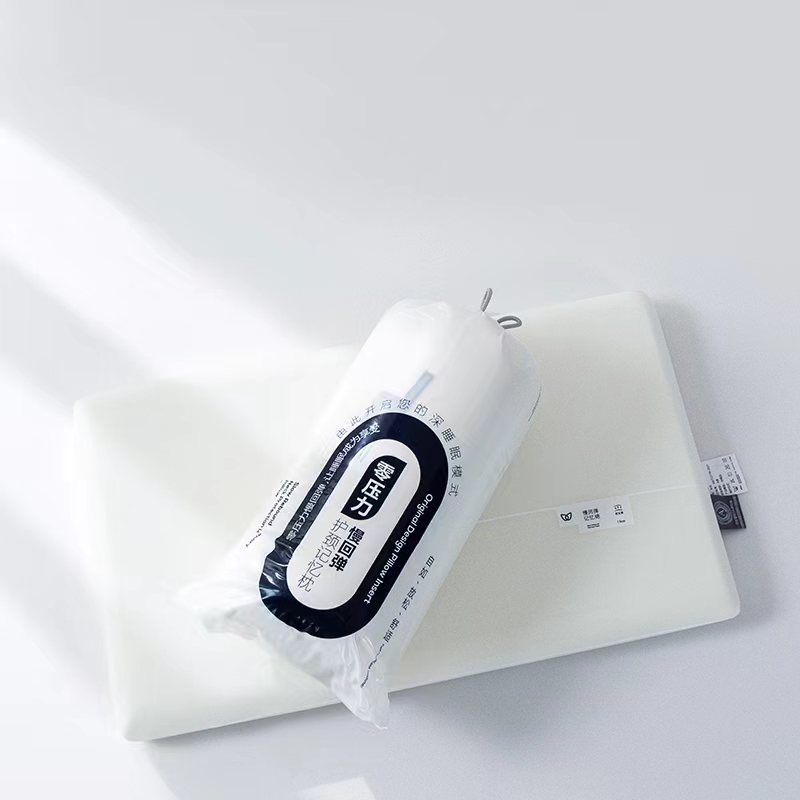
While memory foam pillows demand a little more care than traditional pillows, their comfort and support make the extra effort worthwhile. By incorporating regular maintenance, proper cleaning techniques, and awareness of potential pitfalls, you can ensure your memory foam pillow remains hygienic and retains its performance over time.
Whether you’re dealing with everyday maintenance or a deep-cleaning routine, this guide equips you with all the necessary steps to keep your pillow fresh and functional, enhancing your sleeping experience night after night.