Updatetime:2026-01-03 19:38:13 View:
Down alternative pillows have become a popular bedding choice for many individuals who seek a hypoallergenic, cruelty-free, and cost-effective option. While they offer a fluffy and comfortable sleeping experience, questions often arise about their maintenance and care: Can you wash down alternative pillows? The answer is YES, but the process requires a thoughtful approach to maintain their quality and lifespan. In this article, we will delve into the details of cleaning down alternative pillows, covering the right techniques, the benefits of regular cleaning, and additional care tips to ensure long-term usability.
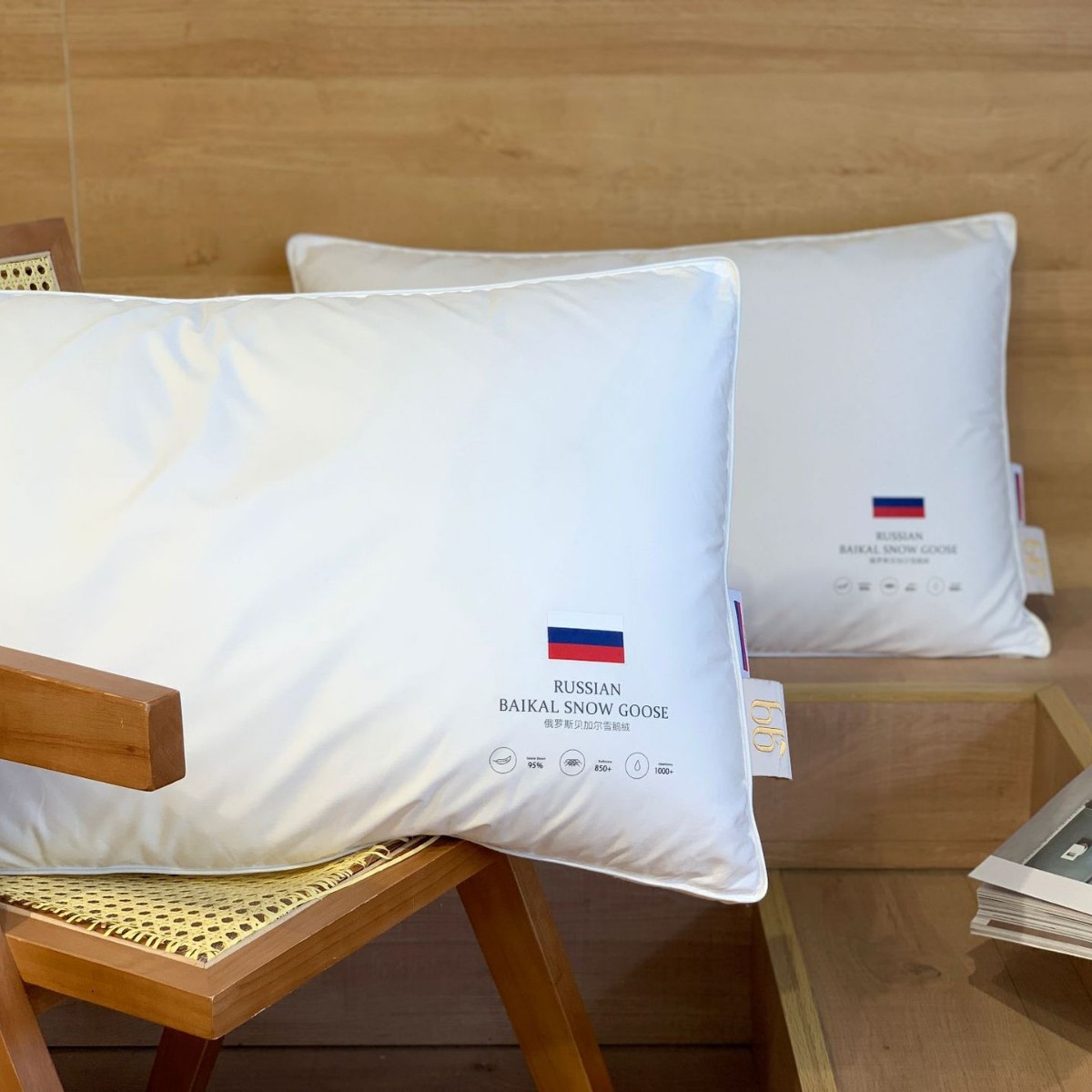
Before diving into cleaning instructions, it is important to understand what down alternative pillows are made of. Unlike natural down pillows, which are filled with goose or duck feathers, down alternative pillows are stuffed with synthetic materials such as polyester microfibers or gel fibers. These synthetic materials mimic the feel and softness of natural down, providing a similar loft and fluffiness without inducing allergies that are often associated with natural feathers. Due to their hypoallergenic nature, down alternative pillows are widely preferred among individuals with sensitivities or ethical concerns.
Pillows can become a breeding ground for dirt, oils, sweat, dust mites, and bacteria over time. Regular cleaning helps improve hygiene, enhances the pillow’s comfort, and prolongs its lifespan. Additionally, washing down alternative pillows can restore their loft and freshness, making them feel as good as new. Here's why a thorough cleaning should be part of your pillow care routine:
Particles from dust mites, sweat, and skin cells accumulate on your pillow daily. This can lead to allergies or skin irritation if left unchecked. Washing the pillow removes these irritants, promoting a cleaner and healthier sleep environment.
Over time, dirt and oils can break down the synthetic fibers inside your pillow, leading to loss of loft and structural integrity. Regular cleaning keeps your pillow fluffy and functional.
Down alternative pillows, like all bedding, can absorb odors from sweat or the surrounding environment. Washing eliminates unwanted smells and keeps your pillow smelling fresh.
While pillowcases and protectors add a layer of defense against dirt, they don’t fully prevent contaminants from reaching the pillow itself. As a general rule, it is recommended to wash your down alternative pillows every 3-6 months, depending on usage. If you sweat heavily or have allergies, you may want to clean them more frequently.
Cleaning down alternative pillows is relatively simple, but to avoid damaging them, it's essential to follow the right steps. Here's a comprehensive guide:
The first step is to read the pillow’s care label carefully. The label provides specific washing instructions and indicates whether the pillow is machine washable or hand-wash only. Adhering to these guidelines ensures you don’t accidentally cause irreversible damage.
Machine Washing:
Most down alternative pillows are machine-washable, which makes cleaning convenient. Use a washer with a gentle cycle to prevent clumping or flattening of the pillow’s filling. Use warm or cold water, as hot water can weaken the synthetic fibers.
Hand Washing:
If your pillow is not machine-washable, you’ll need to wash it by hand. Fill a tub or sink with lukewarm water and add a mild liquid detergent. Submerge the pillow and gently knead it to remove dirt. Avoid vigorous scrubbing, as it could damage the fibers.
A mild liquid detergent works best for cleaning down alternative pillows. Avoid using bleach or harsh chemicals, as these can degrade the fibers over time and irritate your skin. Opt for hypoallergenic detergents if you have sensitivities.
Whether washing by machine or hand, rinsing is crucial to remove all traces of detergent. Residue left behind can cause skin irritation or stiffness in the pillow. Run extra rinse cycles in the machine or use clean water repeatedly for hand washing.
Proper drying is perhaps the most important aspect of cleaning down alternative pillows. Improper drying can lead to mold growth, lingering odors, or clumped filling. Here are two recommended drying methods:
Machine Drying:
If your pillow’s care label permits the use of a dryer, tumble dry it on a low heat setting. Add dryer balls or clean tennis balls to the drum to prevent the filling from clumping and ensure even fluffiness.
Air Drying:
Air drying is a safer option particularly for delicate pillows. Lay the pillow flat in a well-ventilated area, away from direct sunlight, to avoid discoloration. Periodically flip and fluff the pillow to maintain its shape and accelerate drying.
Once the pillow is completely dry, gently fluff it to restore its shape and loft. Press and knead the pillow to evenly spread the filling. Proper fluffing prevents lumps and enhances comfort.
In addition to regular cleaning, proactive care can significantly extend the life of your down alternative pillow. Use the following tips:
Pillow protectors act as a shield against sweat, oils, and dust. They are machine-washable and easy to clean, offering an extra layer of protection for your pillow.
Rotating or flipping your pillow weekly can prevent uneven wear and preserve its shape, ensuring it remains supportive and comfortable.
If washing through a machine, avoid mixing pillows with heavy or large items, as this can compress the filling and lead to uneven degradation.
If you need to store your pillows for an extended time, place them in an airtight bag or container to keep them free from dust and pests.
No matter how well-maintained, a pillow won’t last forever. Signs that your down alternative pillow needs replacing include:
If odors remain even after washing, it’s likely the filling has deteriorated.
A flat or clumped pillow that cannot restore its shape even after fluffing may need replacing.
Tears, holes, or fraying fabric are signs that your pillow has reached its end.
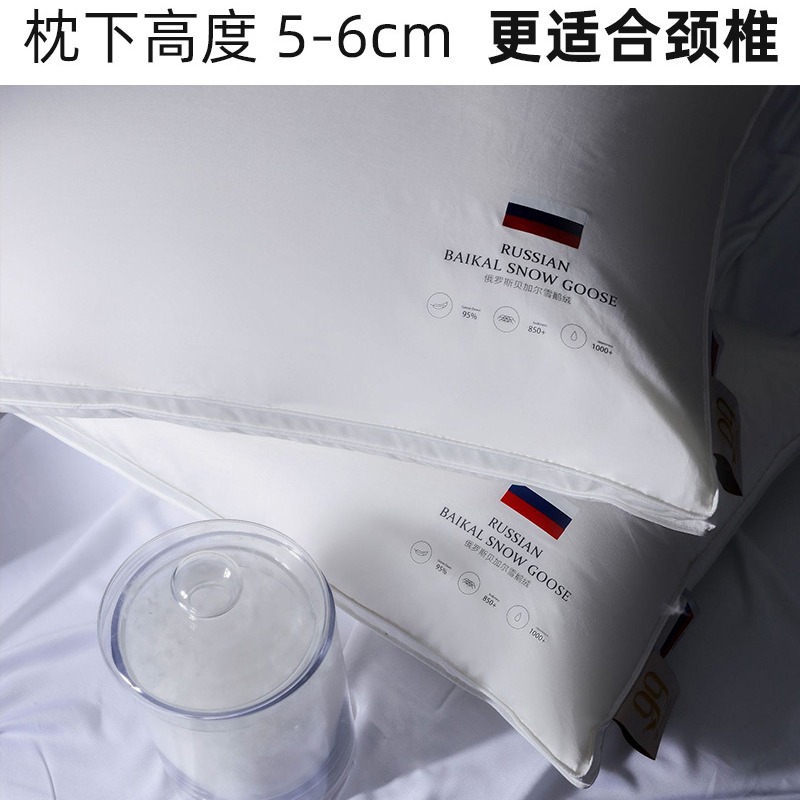
Down alternative pillows offer a blend of comfort, affordability, and allergy-friendliness, making them an excellent choice for many sleepers. Washing and caring for them properly not only revitalizes their look and feel but also ensures their longevity. Follow proper washing, drying, and maintenance techniques to keep your pillows clean, fresh, and functional for years to come.
By understanding these key factors, you can enjoy an optimal sleeping experience while extending the lifespan of your bedding essentials. Regular care not only reflects good hygiene practices but also contributes to better overall health and improved rest. Now that you know how to wash down alternative pillows effectively, it's time to put these insights into action!