Updatetime:2025-12-09 19:29:20 View:
Decorative pillows are a delightful addition to any room, enhancing aesthetic appeal and adding a touch of comfort and style to sofas, beds, and chairs. However, as with all home textiles, these pillows eventually require cleaning. A common question arises: can you put decorative pillows in the washer? This article explores this query in depth, providing valuable insights, practical advice, and addressing various dimensions of decorative pillow care.
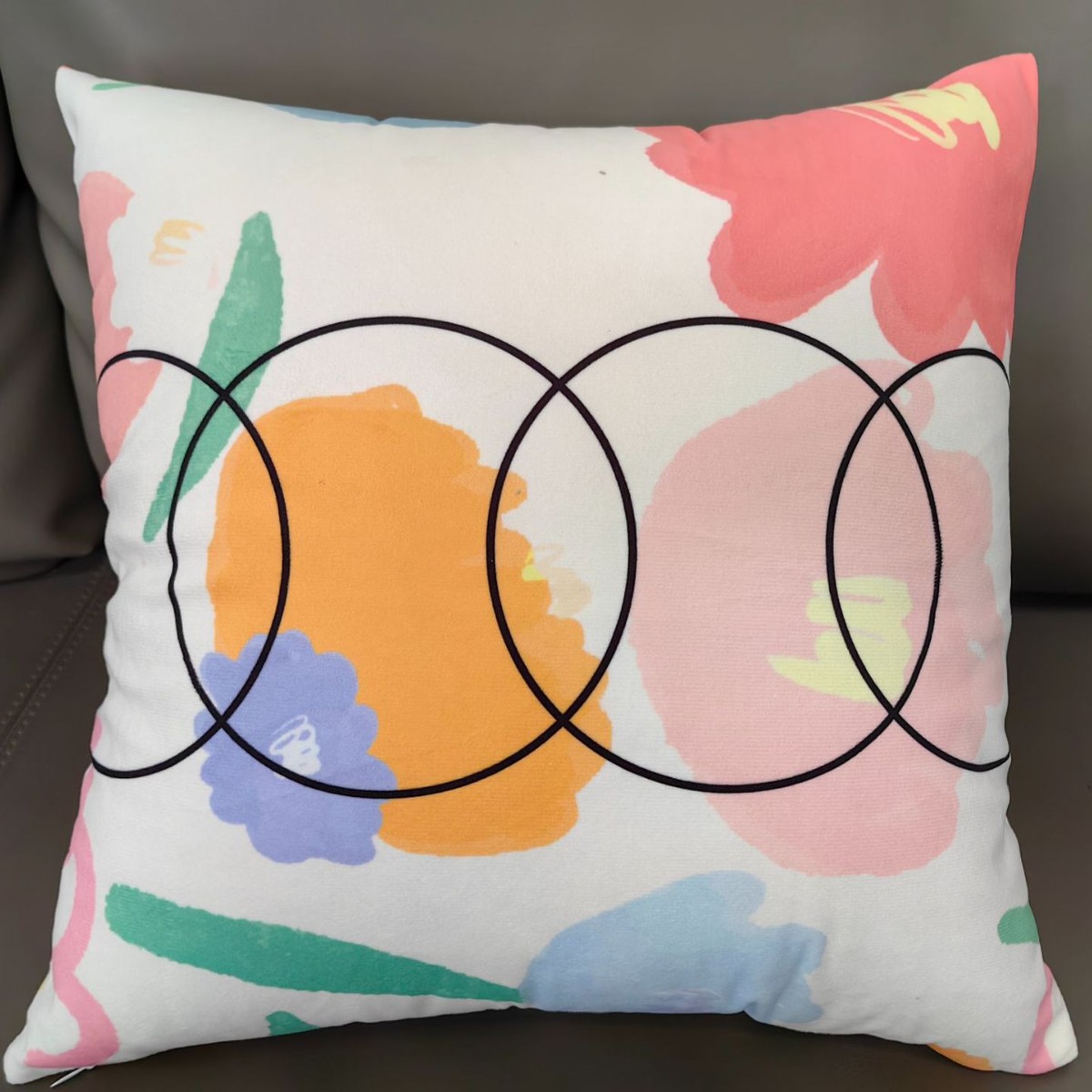
Before delving into washing techniques, it is crucial to understand the composition and types of decorative pillows. Generally, these pillows consist of two main components: the cover and the filling. The cover is often made from various fabrics, including cotton, linen, velvet, or synthetic materials, each requiring specific care. The filling can range from foam, polyester fibers, down feathers, to specialized memory foam.
Different fabrics react differently to machine washing. For instance, cotton and polyester blends tend to be more washer-friendly, whereas delicate materials like silk, velvet, or wool may necessitate more caution, often requiring hand washing or professional cleaning. Synthetic fabrics typically fare better in the washing machine, but it's essential to adhere to care labels and manufacturer instructions.
When considering whether to wash decorative pillows in a machine, the type of filling plays a critical role. Polyester and down alternatives often withstand machine washing, while natural down and memory foam may not. Natural fills can lose their fluffiness or shape, and memory foam can get damaged in the process. It's recommended to perform spot cleaning or follow specific care instructions for these materials.
Preparation is key to successful cleaning outcomes. Before placing any pillow in the washer, consider the following preparatory steps:
The first step in caring for decorative pillows is to carefully examine the care labels. These labels usually provide invaluable insights into the appropriate cleaning methods, whether washing, drying, or using specific detergents. Many decorative pillows come with removable covers, which can be washed separately. If permissible, this is an advisable approach to prevent damage to the pillow's filling.
Testing for colorfastness is a precautionary step that can prevent unwanted damage. Apply a small amount of water and mild detergent to an inconspicuous area of the pillow cover, blot with a cloth, and check for any color removal or fabric damage. If the color holds, it signifies the fabric can likely handle machine washing.
Before washing, ensure that all zippers and closures on the decorative pillow cover are fastened. This reduces the risk of tangling or damaging other garments or the washer itself.
Once the preliminary steps are complete, you can proceed to wash the decorative pillows. Here’s a step-by-step guide:
Use a gentle or delicate cycle and opt for cold water when washing pillow covers or entire pillows. A mild detergent should be used to maintain fabric integrity and prevent residue buildup. If washing an entire pillow, consider adding additional towels or a second pillow to balance the load and reduce agitation.
Wash bags or pillowcases can further protect decorative pillows during the washing process. Placing the pillow or cover inside a wash bag limits friction, thereby extending the life of the fabric and filling.
Overloading the washing machine can lead to uneven cleaning and may cause mechanical stress. Ensure that the load is appropriately sized to allow ample movement and water circulation.
Proper drying methods are just as crucial as washing techniques:
Air drying is often the safest option, especially for delicate fabrics and natural fills. To air dry, place pillows on a flat, well-ventilated surface, flipping them periodically to ensure even drying. For synthetic fills, a dryer can be used on a low heat setting. Adding dryer balls can help maintain fluffiness and expedite the drying process.
If air drying outdoors, avoid direct sunlight, as ultraviolet rays can cause colors to fade over time. Instead, opt for a shaded area or indirect sunlight to preserve the pillow's vibrancy.
If washing decorative pillows in a washing machine is not advisable, alternative cleaning methods may be considered:
Spot cleaning is a targeted approach suitable for small stains or areas requiring attention. Use a mild detergent and damp cloth to dab—rather than rub—the affected area. Blot with a clean, dry cloth to lift the detergent and any residue.
For valuable or particularly delicate pillows, professional cleaning services may be the safest and most effective option. A professional cleaner will have the expertise to handle various materials and ensure that the pillow's structural integrity is maintained.
Regular maintenance can extend the life of decorative pillows and maintain their appearance:
Fluffing pillows regularly helps maintain their shape and comfort level. Frequent fluffing redistributes filling and prevents clumping, which typically occurs over time.
Vacuuming decorative pillows with a soft brush attachment can remove dust and allergens, contributing to a cleaner living environment. Fabric fresheners can help keep your pillows smelling fresh between washes.
Consider using protective covers under the decorative case to shield pillows from dust and dirt. These covers can be easily removed and washed, providing an added layer of protection.

In conclusion, whether you can wash decorative pillows in a washing machine largely depends on the materials and specific instructions provided by the manufacturer. By understanding the composition of your pillows and adhering to recommended washing and drying protocols, you can safely maintain their beauty and functionality. The key is to approach the cleaning process with caution, selecting methods that minimize risk while ensuring the longevity of both the covers and the fillings. Armed with these insights, you can enjoy your decorative pillows' elegance for years to come.