Updatetime:2025-11-29 13:29:46 View:
For those seeking comfortable, durable, and low-maintenance options for their bedding needs, polyester pillows have emerged as a popular choice. Their synthetic nature makes them both affordable and hypoallergenic, reducing the risk of allergic reactions. However, a common query among users is whether these pillows can be washed. In this comprehensive guide, we will explore whether polyester pillows can be washed, dive into the proper washing techniques, and provide insights on maintaining their longevity and comfort.
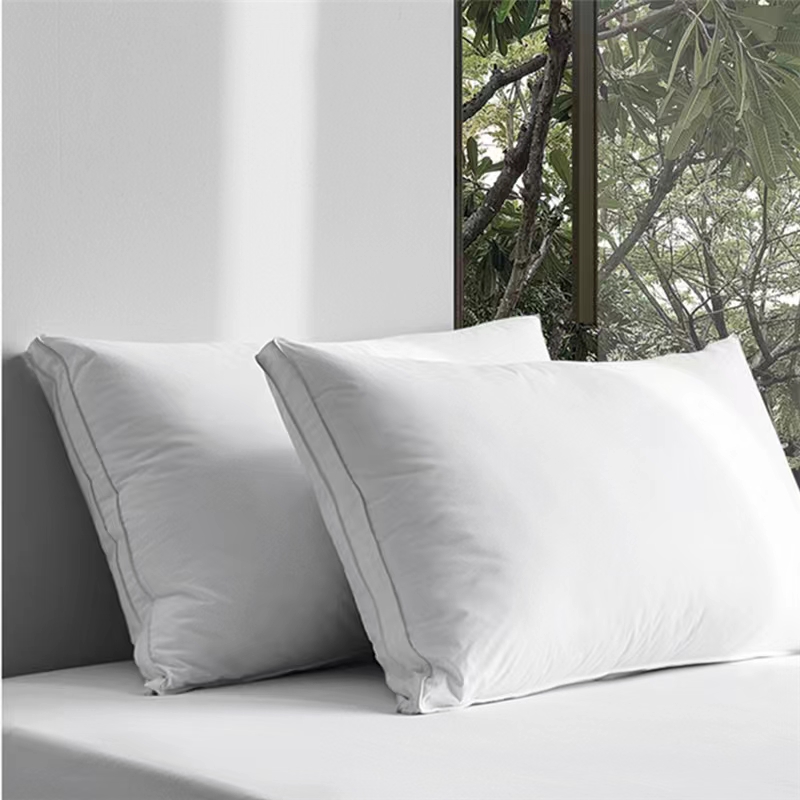
Polyester pillows, made from synthetic fibers, are known for their versatility and affordability. Polyester fiberfill, often used as stuffing, gives these pillows their plush feel. They mimic the softness of down pillows but at a fraction of the cost. Moreover, their synthetic composition provides resistance to dust mites and allergens, making them ideal for individuals prone to allergies.
While polyester pillows are quite durable and easy to care for, understanding the right way to maintain them is crucial. Proper maintenance not only ensures hygiene but also prolongs the lifespan of the pillows.
The short answer is yes, polyester pillows can be washed. Unlike certain other materials such as memory foam, polyester is generally machine washable, which makes maintenance simple and convenient. However, washing them requires some care to avoid damaging the fibers or altering their shape and fluffiness.
Before you proceed, always check the care label on your pillow. The manufacturer’s instructions are tailored to the specific type of polyester material used and can provide guidance on optimal washing temperatures and techniques. Failing to follow these instructions can potentially lead to damage or degradation of the pillow’s quality.
To maintain the integrity and comfort of polyester pillows, it’s important to adhere to recommended washing practices. Here's a step-by-step guide to washing your polyester pillows effectively:
Before washing, remove any pillowcase or pillow protector. Examine the pillow for any tears or weak seams as washing can exacerbate these issues. Repair any visible damage before proceeding.
When washing polyester pillows, it's advisable to wash two at a time to maintain balance within the washing machine. This prevents the washer from becoming off-balance during the spin cycle, protecting both the machine and the pillows.
Opt for a mild liquid detergent. Powders are less favored as they may leave residues on the pillow fibers if not thoroughly rinsed out. Liquid detergents dissolve more completely, especially in cold water settings.
Use warm water and a gentle or delicate cycle. Warm water is effective in removing stains and soil without compromising the fabric’s quality. A gentle cycle will ensure minimal agitation, therefore reducing wear and tear.
A high-speed spin cycle will help remove most of the water, reducing drying time. Ensure the pillows are evenly positioned to avoid an uneven load, which could damage the machine or the pillows themselves.
Proper drying is just as crucial as the washing process. Incorrect drying methods can lead to clumping, odors, or mildew growth.
Polyester pillows can usually be tumble-dried on a low heat setting. High heat can damage the synthetic fibers. To maintain fluffiness and prevent clumping, consider adding clean tennis balls or dryer balls. These help keep the filling distributed evenly.
Air drying is another effective method. Placing the pillows outdoors on a sunny, breezy day allows for natural drying. Regularly fluff and turn the pillows to ensure they dry completely and evenly.
Whether you use a dryer or air-dry, ensure the pillows are completely dry before use. Even slight dampness can lead to mildew, odors, or bacterial growth within the pillow.
Beyond regular washing, consider integrating simple habits to maintain your pillows’ longevity and comfort:
Fluff your pillows daily to maintain their shape and comfort. This simple habit prevents the filling from settling and clumping, keeping the pillow supportive and soft.
Invest in high-quality pillow protectors. These can be easily washed and provide an additional layer of protection against dust, sweat, and allergens.
Pillowcases should be washed weekly. They are the first line of defense against oils and debris, ensuring a cleaner contact surface for the pillows themselves.
Even with optimal care, polyester pillows should be replaced every 1-2 years. Over time, fibers become compressed, and the pillow loses its ability to provide adequate support and comfort.
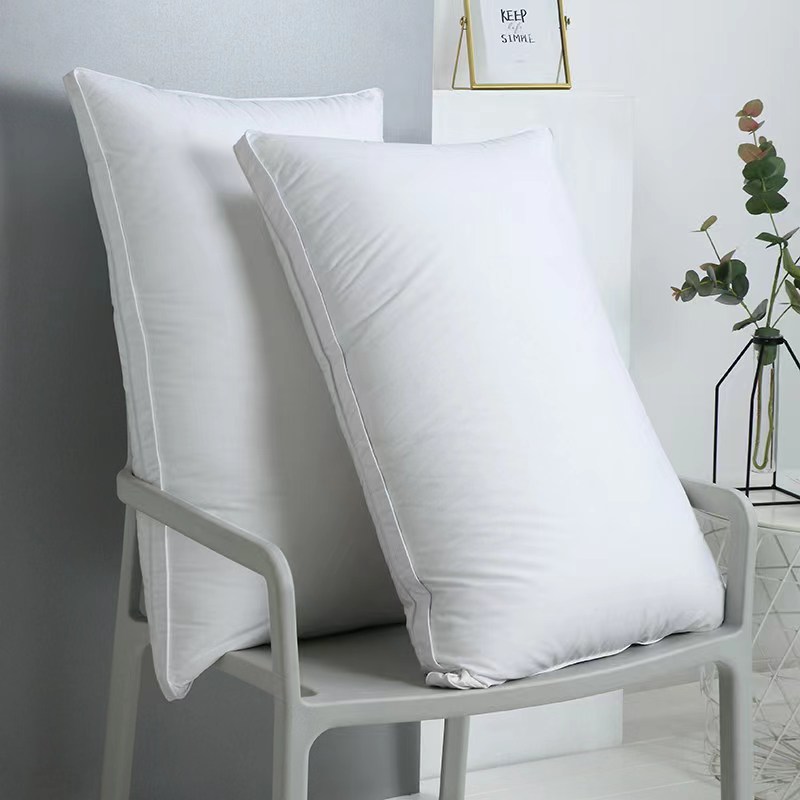
Polyester pillows, with their affordability and hypoallergenic properties, are a staple in many households. Understanding how to properly wash and care for them is vital to prolonging their life and ensuring they remain a comfortable addition to your sleeping environment. Regular maintenance, mindful washing techniques, and awareness of when it's time to replace them can help you enjoy the best that polyester pillows have to offer.
By adopting these best practices, you can maintain a clean and comfortable bedroom setting conducive to a restful night’s sleep. With regular care, your polyester pillows will continue to provide the support and comfort that enhance your sleep hygiene year after year.