Updatetime:2025-11-25 15:41:50 View:
Throw pillows are an essential component of home decor, adding both comfort and style to any living space. However, with regular use, these pillows can accumulate dirt, dust, and allergens, making the question of whether they can be washed a pertinent one. This article explores the dimensions of washing throw pillows, providing practical, actionable advice to keep them looking fresh and new.
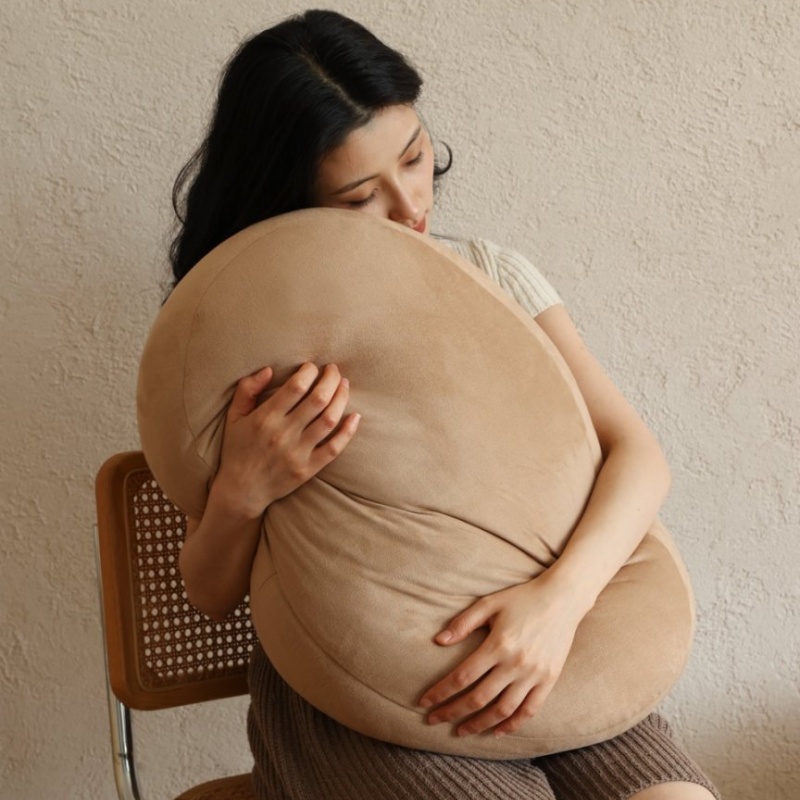
Before diving into cleaning methods, it’s crucial to understand the composition of your throw pillows. They commonly come in various fabrics and fill materials, each having distinct cleaning requirements.
1. **Cotton**: Cotton pillows are generally more straightforward to clean, often washing well in machines. However, attention should be paid to the possibility of shrinking.
2. **Silk or Velvet**: These luxurious materials require more delicate handling. They often need special care, including hand washing and perhaps professional cleaning.
3. **Polyester**: Durable and commonly used, polyester fabrics can typically withstand machine washing.
4. **Linen**: Linen tends to be strong but may wrinkle easily, so understanding its care instructions is essential.
1. **Down/Feather**: These require careful handling and gentle washing techniques to maintain their shape and comfort level.
2. **Foam**: Often requires hand washing or spot cleaning, with an emphasis on drying to prevent mold.
3. **Polyfiber/Batting**: Generally more resilient and may accommodate machine washing.
Before proceeding with washing, it's essential to prepare properly to avoid damaging the pillows. This includes:
Every pillow comes with a care label that offers specific cleaning instructions. Following these guidelines is paramount to ensure longevity and maintain the quality of the pillow.
Before full immersion, use a small amount of water and detergent on an inconspicuous area to check for color bleeding. This test is crucial for ensuring that the fabric color remains intact.
If the pillow has a removable cover, take it off and wash separately according to its individual care instructions. Covers often have different cleaning needs from the pillow itself.
Depending on the fabric and fill material, you can choose among several cleaning methods to effectively wash your throw pillows.
For pillows indicated as machine washable, follow these steps:
1. **Use a Gentle Cycle**: Always opt for the gentle or delicate cycle to minimize agitation and wear.
2. **Cold Water Wash**: Cold water helps preserve fabric color and reduces the risk of shrinking.
3. **Minimal Detergent**: Use a mild detergent to prevent residue buildup, which can lead to fading or damage.
Hand washing is an excellent option for delicate fabrics or when machine washing isn't suitable:
1. **Fill a Basin**: Use lukewarm water mixed with mild detergent.
2. **Gently Agitate**: Submerge the pillow and gently massage to loosen dirt; avoid wringing to prevent distortion.
3. **Rinse Thoroughly**: Ensure all soap is rinsed out to prevent residue.
If full washing is not feasible, spot cleaning can be effective:
1. **Create a Cleaning Solution**: Mix mild detergent with water.
2. **Blot Stains**: Use a clean cloth to blot the stain gently, lifting dirt and spills without spreading them.
3. **Rinse Area**: Thoroughly remove any soap residues with a damp cloth.
Proper drying is as crucial as washing, as improperly dried pillows can lead to unpleasant odors or mold growth.
This method is generally safer for all pillow types:
1. **Lay Flat**: Place pillows on a clean towel or drying rack in a well-ventilated area.
2. **Rotate Regularly**: Flip and adjust pillows frequently to ensure even drying.
If suitable, machine drying can be faster:
1. **Low Heat Setting**: Use the low heat setting, as high temperatures can damage fabrics and fillings.
2. **Include Dryer Balls**: Adding dryer balls can help maintain fluffiness and expedite drying.
Regular maintenance can significantly extend the life and appearance of your throw pillows.
Fluff and shake pillows weekly to redistribute filling and remove surface dust.
Consider using protective covers, particularly in high-traffic areas, to reduce dirt buildup.
Vacuum pillows occasionally using an upholstery attachment to remove dust and allergens.
Consulting home decor and cleaning professionals can provide insights specific to your pillow type. Moreover, professional cleaning services can offer additional benefits, such as deep cleaning or restoration.
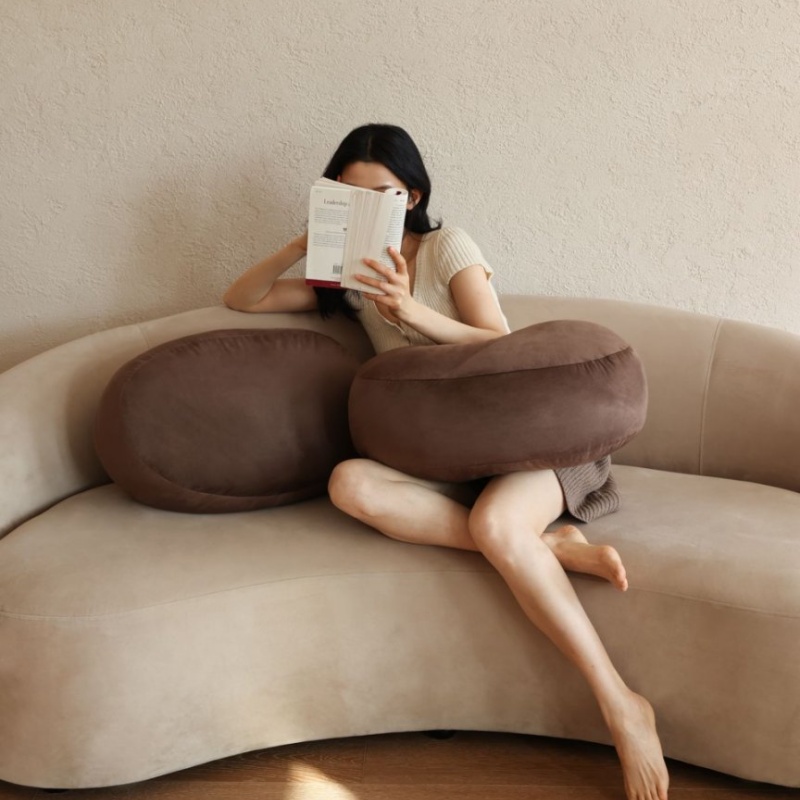
Understanding the various aspects of washing throw pillows can transform how you care for them, extending their life and maintaining their appeal. By recognizing fabric types, practicing proper washing techniques, and adhering to maintenance tips, you ensure that your throw pillows remain a source of comfort and style in your home. Embrace this comprehensive guide, and your pillows will remain timeless additions to your decor.