Updatetime:2025-10-13 10:07:43 View:
Orthopedic pillows are gaining popularity among individuals seeking enhanced comfort, improved posture, and relief from various health and sleep-related issues. As health-conscious consumers explore their options, many are wondering if these specialized pillows qualify as eligible expenses under Flexible Spending Accounts (FSA). This article delves into the criteria for FSA eligibility, the potential benefits of orthopedic pillows, and actionable advice to help consumers determine if they can take advantage of their FSA funds. Let’s cover everything you need to know about the intersection of orthopedic pillows and FSAs.
To understand whether orthopedic pillows are FSA-eligible, it’s essential to first know what Flexible Spending Accounts (FSAs) are and how they work. FSAs are employer-sponsored benefit programs that allow employees to set aside pre-tax dollars to cover qualifying healthcare expenses. The money contributed to an FSA is exempt from income and payroll taxes, offering an affordable way to manage out-of-pocket medical costs.
FSAs typically cover expenses for medical services, prescription medications, and certain health-related products that are deemed medically necessary. Because FSAs are strictly regulated by the IRS, eligibility for specific items, including orthopedic pillows, often depends on whether they meet the requirements of being medically necessary or prescribed by a healthcare professional. Now, let’s dive further into the key determinants for eligibility.
To determine whether an item qualifies as FSA-eligible, it must meet certain guidelines outlined by the IRS. Here are the primary criteria:
For an item to qualify for FSA reimbursement, it often needs to be considered medically necessary. This means the product directly addresses or alleviates a specific medical condition or health issue. In the case of orthopedic pillows, they may be deemed necessary if prescribed by a healthcare professional to treat conditions like chronic neck pain, spinal alignment issues, or sleep apnea.
Some products that are not inherently recognized as medical devices may still be FSA-eligible if accompanied by a Letter of Medical Necessity (LMN). This document is written by a healthcare provider and explains why the item is needed for a specific medical condition. Consumers considering using FSA funds for orthopedic pillows should check if a prescription or LMN is required for reimbursement.
The IRS provides a comprehensive list of qualified medical expenses that can be covered under an FSA. While general pillows designed for comfort or aesthetics may not qualify, specialty medical devices like orthopedic pillows could be eligible if they meet the criteria above.
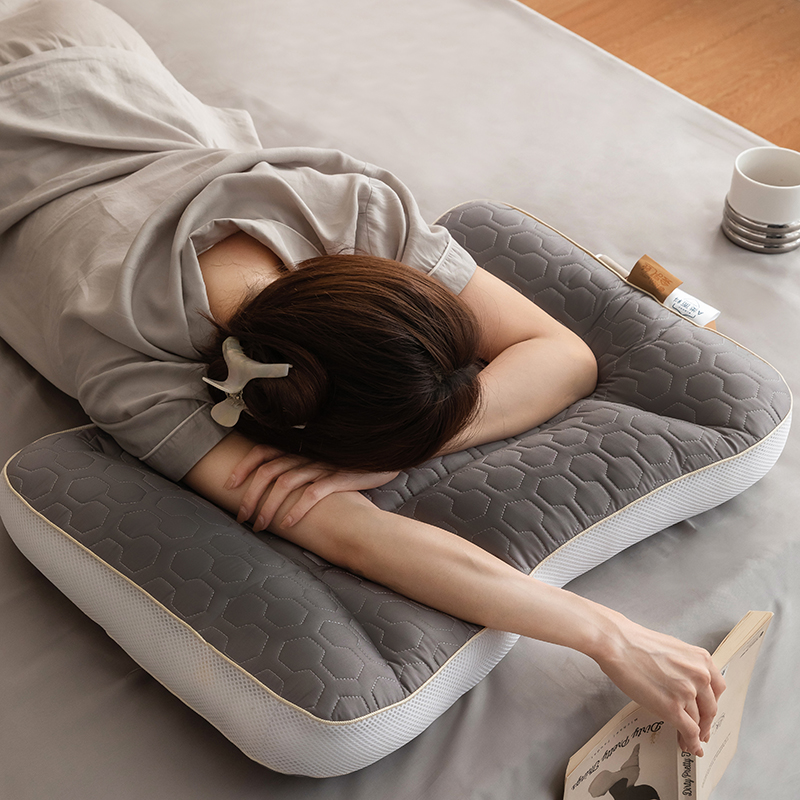
Orthopedic pillows are specially designed to offer support and comfort, promoting proper body alignment and relieving pressure points during sleep. These pillows come in various shapes, sizes, and materials to address specific needs and conditions.
Using an orthopedic pillow can be beneficial for individuals facing the following issues:
Orthopedic pillows are available in different forms to cater to various health concerns. Below are some common types and their primary uses:
Orthopedic pillows are constructed using different materials such as memory foam, latex, cooling gel, or orthopedic-grade cotton. A durable and medically sound material is often prioritized in these products, as they aim to cater to specific therapeutic needs. Choosing a pillow with high-quality materials can enhance benefits and provide a longer-lasting solution to health concerns.
To determine whether an orthopedic pillow qualifies for FSA reimbursement, you should follow these steps:
Start by reviewing the official guidelines of your FSA plan. You can typically find this information in documents provided by your employer or by contacting the plan administrator. Look for any mention of specific medical supplies, orthopedic pillows, or required documentation for reimbursement.
If you are dealing with a specific medical condition that could benefit from an orthopedic pillow, consult your healthcare provider. They can assess your needs, offer recommendations, and potentially issue a Letter of Medical Necessity if required.
Some FSA plans require an LMN or prescription for medical items that are not explicitly listed as eligible. Ensure you obtain any necessary paperwork to streamline the reimbursement process for your orthopedic pillow.
To increase the likelihood of eligibility, make your purchase from retailers that are recognized for selling medical-grade or health-related products. Retailers offering FSA-approved items may also clearly label eligible products on their websites or in their catalogs.
Using FSA funds wisely is critical, as any unused balance typically expires at the end of the plan year. Here are some practical tips to maximize your benefits:
If you suffer from chronic pain or a diagnosed condition, an orthopedic pillow could provide both comfort and health benefits. Discuss your situation with your healthcare provider to determine if such a product is necessary for improving your quality of life.
If your FSA balance allows it, consider purchasing additional eligible medical supplies alongside your orthopedic pillow to prevent funds from expiring.
Always save receipts and relevant medical documentation related to your orthopedic pillow purchase. These may be required for reimbursement or record-keeping purposes.
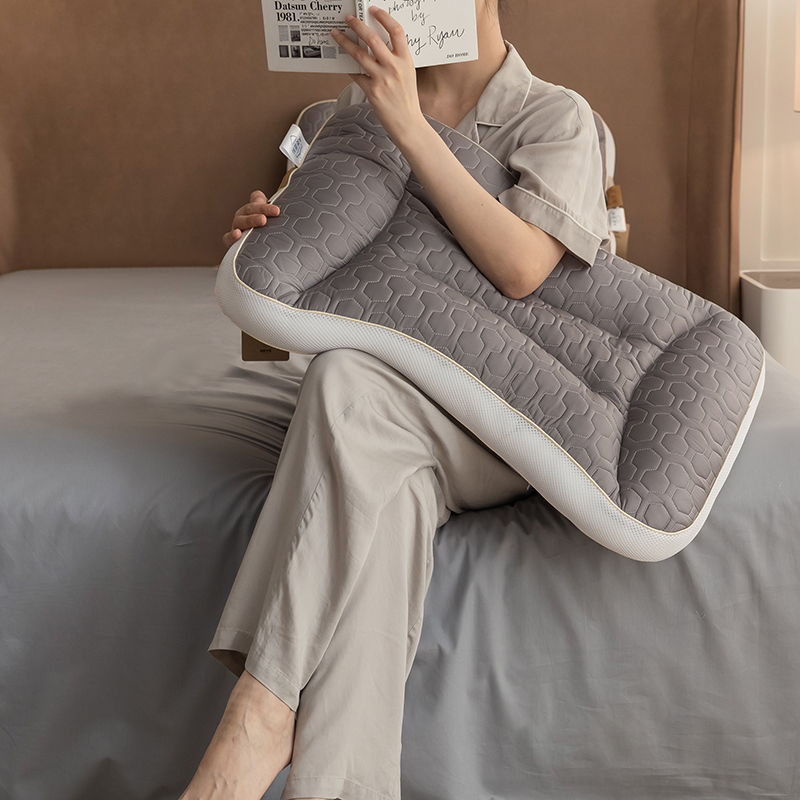
Orthopedic pillows can be beneficial for improving sleep quality, alleviating pain, and promoting overall wellness. While they may not be universally FSA-eligible, items deemed medically necessary and accompanied by proper documentation can often qualify for reimbursement. It’s vital to verify your FSA plan’s rules, consult a healthcare professional, and obtain all the necessary paperwork before making your purchase.
If you’re considering an orthopedic pillow, take the time to assess its potential benefits for your health and whether it aligns with your FSA plan’s eligibility criteria. By understanding and navigating the requirements for reimbursement, you can make informed decisions and maximize the advantages of your Flexible Spending Account. Investing in the right health products can go a long way toward ensuring lasting comfort and wellness.