Updatetime:2025-09-21 10:17:12 View:
When it comes to sleep, comfort plays a critical role in ensuring you can wake up feeling refreshed and ready to take on the day. One of the cornerstones of a good night’s sleep is your choice of pillow. Amid the myriad of bedding options available today, down pillows stand out as a popular choice for many. But are down pillows better than other types? In this article, we will explore the advantages and disadvantages of down pillows from a variety of perspectives, helping you determine whether they are the right choice for your needs.
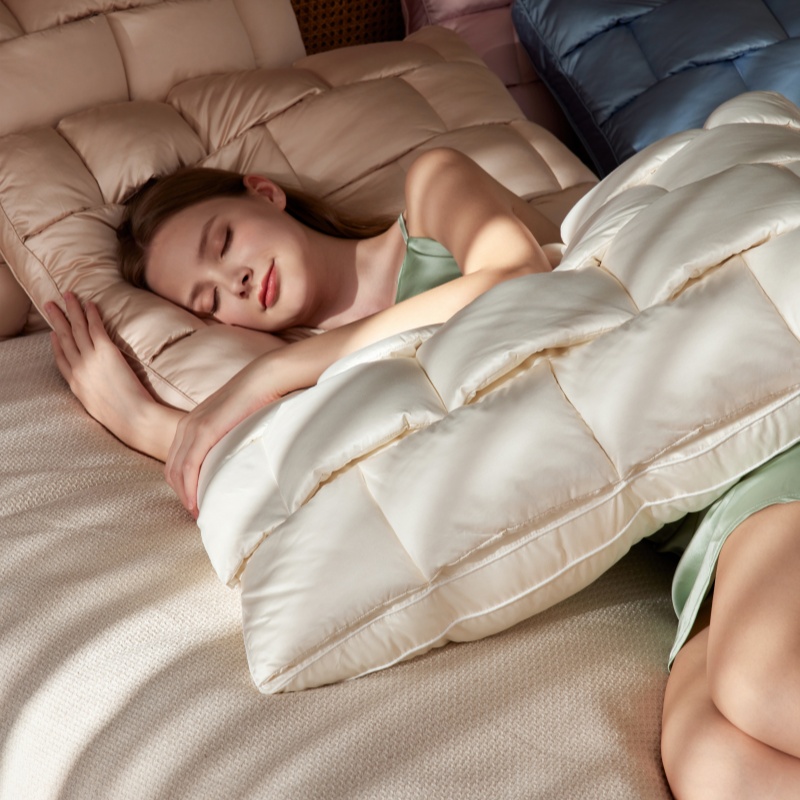
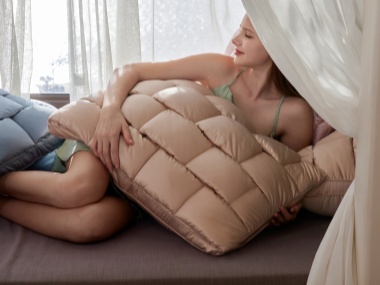
To begin, it’s essential to understand what down pillows are. Down refers to the soft, fluffy under-layer found beneath the feathers of ducks, geese, or other birds. This layer is prized for its ability to provide incredible softness, while also being lightweight. Unlike feather pillows, which contain the harder, outer feathers, down pillows are filled purely with this delicate material, offering a luxurious feel for sleepers.
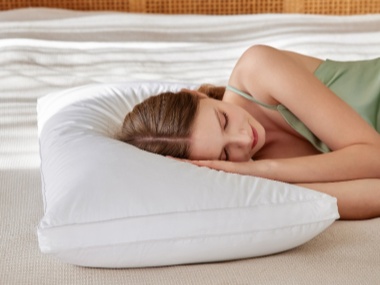
The most widely acclaimed advantage of down pillows is their unparalleled softness. Down pillows mold gently to the contours of your head and neck, creating a natural cradle that helps alleviate pressure points. This offers sleepers a luxurious and cloud-like comfort, which is difficult to replicate with synthetic fillings or other pillow types.
Thanks to the natural structure of down clusters, these pillows allow for excellent airflow. They prevent heat build-up during the night, keeping you cool and comfortable, even if you tend to sleep hot. This feature makes down pillows particularly appealing in warmer climates.
Compared to synthetic pillows, down pillows are remarkably durable, provided they are cared for properly. High-quality down has excellent resilience, often lasting years longer than alternatives. This makes them a cost-effective choice over the long term despite their higher upfront price.
Down pillows are highly malleable, meaning you can adjust them to meet your personal preferences. Whether you’re a back, side, or stomach sleeper, you can reshape and fluff the pillow to provide the ideal amount of comfort and support.
Unlike dense memory foam or heavy synthetic pillows, down pillows are incredibly lightweight, adding to their ease of use. Their light and airy texture is often favored by travelers, as it’s easy to carry and pack.
One of the primary downsides of down pillows is their price point. Genuine down pillows typically come with a higher upfront cost due to the refinement process and the quality of the materials. This can be prohibitive for buyers on a budget.
To maintain the quality of a down pillow, you need to care for it properly. Cleaning a down pillow can be more complicated than cleaning synthetic options, as certain care practices (such as frequent washing or exposure to moisture) can ruin the material’s integrity.
Although down is a natural product, some people may have allergies to bird feathers or proteins contained in the fill. For hypoallergenic purposes, proper cleaning and treatments are usually required, but those with severe sensitivities may need to opt for synthetic alternatives.
Down pillows might not be ideal for those who require firm support while sleeping. Although they provide great softness and conformity, individuals who need a pillow with consistent support may prefer memory foam or hybrid pillows instead.
Because down is derived from animals, ethical concerns regarding farming practices can arise. Buyers striving to avoid animal-based products might opt for vegan or synthetic alternatives.
When shopping for pillows, you’ll encounter various options such as memory foam, latex, polyester, or hybrid blends. Let’s compare these alternatives to down pillows based on important criteria:
Down pillows are unmatched when it comes to softness and plushness. Memory foam pillows, on the other hand, offer contouring support but lack the airy comfort of down. Latex pillows feel firmer, catering to those who prefer sturdy options over softness. Polyester or microfiber pillows aim to emulate down’s plush feel but often fall short in terms of longevity and breathability.
Down pillows excel in promoting airflow, helping regulate temperature. Memory foam, while insulating, may trap heat during the night. Latex and hybrid pillows can provide mixed results depending on their design, but synthetic materials often lag in breathability compared to natural down.
If properly cared for, down pillows can maintain their performance for 5-10 years or more. This places them ahead of synthetic pillows, which generally last only a few years. However, foam and latex options can rival or exceed the lifespan of down depending on quality and use.
For sleepers needing strong neck or back support, options like memory foam or latex provide better firmness and contouring compared to the fluffiness of down. That said, down pillows are more versatile in terms of reshaping and adjustment.
Not all down pillows are created equal. Here are some actionable steps you can take when shopping for the perfect pillow:
Fill power measures the fluffiness and insulating ability of the down. Higher fill power indicates superior quality, offering more softness and durability. Look for options in the range of 550 to 800 fill power for premium performance.
Duck down is more affordable but tends to have smaller clusters compared to goose down, which offers better fill power and performance. If budget allows, goose down could be the better option.
If allergies are a concern, prioritize pillows that have undergone proper cleaning and sterilization processes. Many retailers label hypoallergenic down pillows with certifications indicating the product is safe for sensitive users.
Ensure the pillow cover is made from a durable, breathable fabric such as cotton or tightly woven microfiber. This prevents the down from poking out and enhances its longevity.
Consider your preferred sleeping posture when deciding on the loft and firmness. Side sleepers may need a slightly taller pillow, while back and stomach sleepers often favor flatter options.

Prolonging the life of your down pillow requires proper care. Here’s how to keep it in optimal condition:
Fluff your pillow daily to maintain its loft and prevent it from clumping. This small step ensures even distribution of the down material for ultimate comfort.
Always use a high-quality pillowcase or cover to shield the pillow from dirt, oils, and moisture. This reduces the need for frequent washing.
For minor stains, use a damp cloth and mild detergent to treat the affected area rather than submerging the pillow in water.
Most down pillows can be machine washed, though it’s important to follow manufacturer guidelines. Use low heat and avoid over-drying.
If not in use, store the pillowy in a breathable bag away from direct sunlight and humidity.
Down pillows excel in providing luxurious comfort, breathability, and versatility, making them an excellent choice for many sleepers. However, their higher cost and maintenance requirements sometimes make them less practical for those seeking a more budget-friendly, low-maintenance option.
The decision ultimately rests on your sleeping preferences, budget, and commitment to care. If you prioritize a soft, airy sleep experience and don’t mind the investment, down pillows stand out as a top choice in the bedding market. For individuals with allergies or ethical concerns around animal-sourced materials, synthetic, memory foam, or hybrid pillows may serve as better alternatives.
By weighing the pros and cons outlined in this article and considering your unique needs, you’ll be well-equipped to decide whether down pillows are better for you.