Updatetime:2025-09-20 10:21:43 View:
In recent years, down alternative pillows have gained popularity as a substitute for traditional down-filled pillows. These pillows are often marketed as hypoallergenic and more affordable, making them an attractive choice for many consumers. However, a common concern among buyers is whether down alternative pillows are toxic. This article explores the materials used in down alternative pillows, their potential health risks, and the benefits they provide to help you make an informed decision.

Down alternative pillows are designed to mimic the softness and comfort of real down, which is made from the fine feathers found under the tougher outer feathers of ducks or geese. Unlike traditional down, down alternatives use synthetic materials such as polyester microfibers or natural options like cotton, bamboo, or wool. These pillows are marketed as cruelty-free, more affordable, and suitable for people with allergies to feather products.
Down alternative pillows are often chosen for the following reasons:
Understanding the materials used in the construction of down alternative pillows is crucial when evaluating their safety. These pillows typically contain:
The most common material in down alternative pillows is polyester, a synthetic polymer derived from petroleum. Polyester microfibers are lightweight, breathable, and designed to replicate the texture of natural down. While these fibers are widely used in bedding products, their production involves chemical processes, which raises some questions about toxicity.
Some down alternative pillows rely on more eco-friendly materials such as organic cotton, bamboo, or wool. These materials are generally considered safe and non-toxic. However, they might be treated with pesticides or synthetic dyes during processing, potentially introducing harmful chemicals into the final product.
To enhance durability, flame resistance, and stain repellency, some down alternative pillows are treated with chemical additives. Common treatments include formaldehyde, flame retardants, and synthetic dyes—all of which have raised concerns about their impact on health and the environment.
The question of toxicity in down alternative pillows primarily hinges on the materials used and how they were processed. While these products are generally considered safe for everyday use, there are some cases where toxicity might be a concern:
Polyester pillows may release small amounts of volatile organic compounds (VOCs), particularly if treated with certain chemicals during manufacturing. VOCs can contribute to indoor air pollution and may trigger headaches, allergies, or respiratory issues for sensitive individuals. However, VOC levels in most bedding materials are usually low and regulated.
Synthetic materials and chemical treatments used in down alternative pillows could potentially cause skin irritation or allergic reactions in some people. Those with sensitive skin or chemical sensitivities should choose pillows that are explicitly labeled as free from harmful additives or dyes.
Although not directly toxic to humans, the production and disposal of synthetic fibers like polyester contribute to environmental damage. Since polyester is not biodegradable, it can persist in landfills for decades, leaching harmful substances into soil and water ecosystems.
Before dismissing down alternative pillows due to potential toxicity concerns, it's important to consider the benefits they offer:
Unlike natural down, which can harbor allergens like dust mites and mold, down alternative pillows are generally resistant to these triggers. This makes them a healthier option for individuals prone to allergies or asthma.
Down alternative pillows are often more cost-effective than natural down pillows, making them accessible to a wider range of consumers.
For those who prefer animal-free products, down alternative pillows provide a comfortable and ethical substitute to traditional down.
Many down alternative pillows are machine-washable, reducing the need for expensive dry cleaning or specialized care.
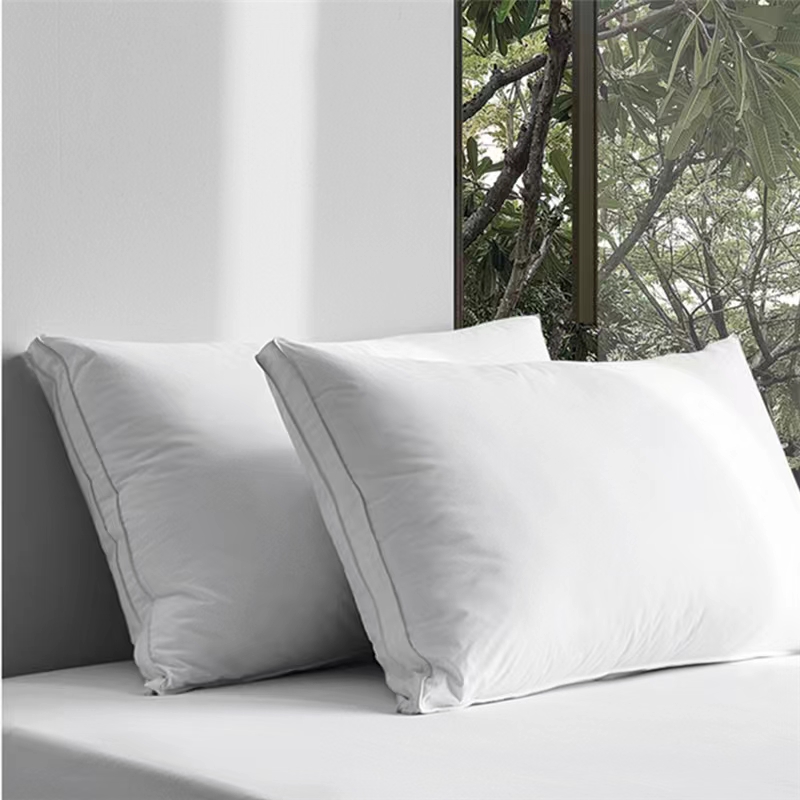
To ensure that the pillows you purchase are safe and non-toxic, follow these practical tips:
Look for reputable certifications such as OEKO-TEX or CertiPUR-US, which guarantee that the product is free from harmful substances such as VOCs, heavy metals, and toxic dyes. These labels provide assurance that your pillow meets high safety standards.
If possible, choose pillows made from organic fibers such as cotton or bamboo to minimize exposure to synthetic chemicals. Organic materials are grown and processed without harmful pesticides or dyes, offering an environmentally friendly option.
Research the details of a pillow's manufacturing process and inquire about the chemical treatments applied. Many companies offer transparency regarding how their products are made and whether they meet environmental and health guidelines.
Washing your pillow before use can remove residual chemicals and reduce any off-gassing effects. Follow the manufacturer's washing instructions to preserve its quality and longevity.
While flame retardants can serve a functional purpose, excessive use of these chemicals has been linked to health concerns. Whenever possible, opt for pillows that explicitly state they are free from flame retardant additives.
In general, down alternative pillows are considered safe for most users. Though synthetic materials and chemical treatments can pose risks in some cases, following safety guidelines and selecting certified, high-quality products minimizes those concerns. The advantages of down alternative pillows—including affordability, hypoallergenic properties, and cruelty-free designs—make them a great option for diverse needs.
As a consumer, it’s vital to stay informed about the materials and manufacturing processes behind your bedding products. By prioritizing safe, non-toxic pillows, you can enjoy restful sleep without compromising your health or well-being.
Ultimately, choosing the right down alternative pillow comes down to balancing comfort, safety, and personal preferences. When in doubt, consult product labels, certifications, and company transparency practices to make a well-informed purchase.