Updatetime:2025-09-11 10:11:22 View:
Do you dread trying to sleep on a plane? That stiff neck and sore shoulders upon landing are all too common for travelers who haven’t found the right support. The secret to waking up refreshed after a long flight isn't just about sleeping more—it's about sleeping better. And that journey begins with one essential item: the perfect neck support travel pillow.
This ultimate guide is your roadmap. We’ll move beyond basic recommendations and dive into the why and how behind choosing and using a pillow that works. You'll learn how to navigate the different types, identify the features that matter for your body and travel style, and master the techniques to use it effectively. Let's transform your in-flight rest from a hopeful doze into genuinely restorative sleep.

Why a Specialized Pillow is Non-Negotiable for In-Flight Sleep
First, let's understand the problem. An airplane seat is an ergonomic challenge. Unlike your bed, it forces your spine into an upright position without proper support for its natural “S” curve. When you doze off, your neck muscles relax completely, leaving your heavy head—weighing about 10-12 pounds—unsupported. This causes your head to drop forward or sideways, straining ligaments and muscles. The result is that all-too-familiar pain, stiffness, and even headaches.
A standard pillow or a rolled-up sweater simply can't solve this. A dedicated travel cervical pillow is designed to fill the critical gap between your neck/shoulders and head. Its job is to maintain cervical alignment, preventing that painful “head drop” and allowing your muscles to truly rest. Think of it not as a luxury, but as essential protective gear for your spine during travel.
Breaking Down Your Options: A Travel Pillow Type for Every Sleeper
The classic U-shape is just the beginning. Today's market offers innovative designs targeting specific sleep positions and comfort needs. Choosing the right type is your most important decision.
Memory Foam Pillows: The Gold Standard for Support
Memory foam remains a top contender for the best pillow for travel if your priority is customized, pressure-relieving support. The slow-rebound foam contours precisely to the shape of your neck and jaw, offering even support. It’s ideal for side-sleepers and those with existing neck sensitivity. The trade-off is bulk, but for many, the superior comfort is worth the extra space in your carry-on. Look for models with higher-density foam for better longevity and support.
Inflatable Pillows: Champion of Portability
For the ultra-efficient packer, a high-quality inflatable airplane travel pillow is a game-changer. Modern designs feature multi-chamber systems that offer surprising support and allow you to adjust firmness. They pack down to the size of a fist, making them perfect for backpacking or one-bag travel. The key is to look beyond the basic single-chamber models and find ones with textured or contoured surfaces for better comfort.
Microbead Pillows: Soft and Malleable
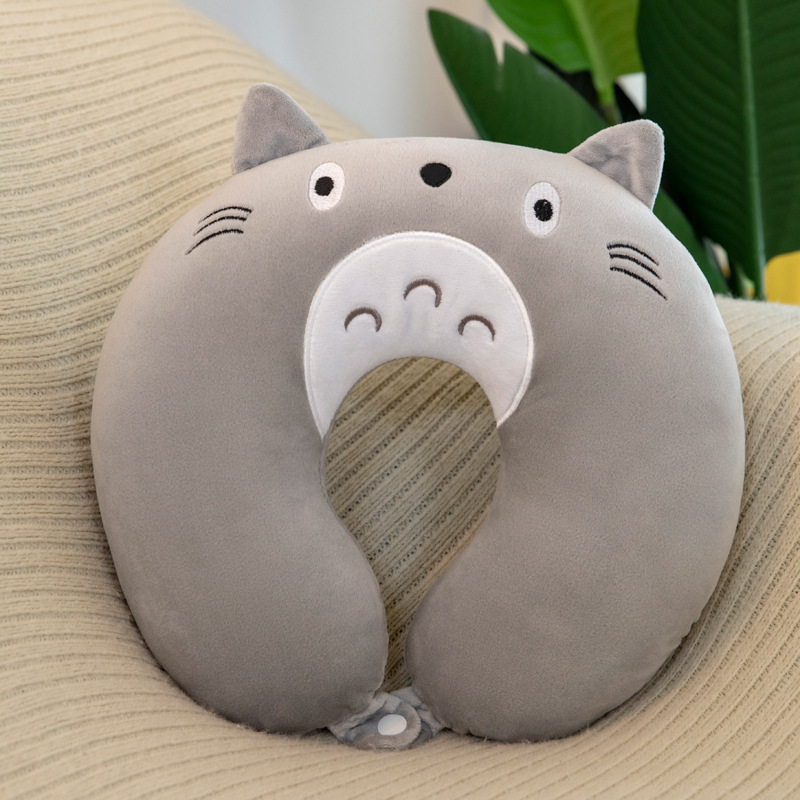
Filled with tiny polystyrene beads, these pillows are soft, lightweight, and easily conformable. They feel cool to the touch and are often very affordable. However, they offer the least structural support and can sometimes make a slight rustling sound. They are a good budget-friendly neck pillow for traveling for those who prefer a very soft, nest-like feel over firm support.
Structured & Wrap-Style Pillows: Innovative Support
This category includes the most innovative designs aimed at solving the forward head-drop problem. Pillows like the Trtl use a internal support system hidden in a soft wrap, acting like a lightweight brace for your neck. Other models feature extended front or side supports to cradle your chin and jaw. These are excellent for travelers who simply cannot keep their head upright in a traditional U-pillow and need targeted, anatomical support.
Your Step-by-Step Pillow Selection Checklist
With so many options, how do you choose? Walk through this checklist to find your match.
1. Diagnose Your Sleeping Style & Pain Points.
· Do you primarily suffer from forward head drop? Prioritize structured or front-support pillows.
· Do you sleep on your side and need jaw/cheek support? A thicker, contoured memory foam pillow is likely your best bet.
· Is packability your absolute top concern? An advanced multi-chamber inflatable is the way to go.
2. Evaluate Critical Ergonomics and Build Quality.
· Height and Contour: The pillow must fill your unique neck-to-shoulder gap. A pillow that's too tall will push your head forward; one that's too short offers no support. Look for ergonomic, asymmetrical shapes.
· Cover Fabric: A removable, machine-washable cover is non-negotiable for hygiene. Breathable, moisture-wicking fabrics like velour or performance knits will keep you cooler.
· Closure System: A secure clasp or buckle allows you to customize the fit, preventing the pillow from gaping away from your neck.
3. Identify Must-Have Convenience Features.
· Compression: Does it come with a compression sack? This is especially valuable for foam pillows.
· Multi-Function: Some pillows can double as lumbar support or a standard bed pillow, increasing their value.
· Attachment Straps: Built-in straps that clip to the airplane headrest are a brilliant feature that prevents your head from falling forward, effectively turning your seat into a more supportive environment.
Mastering In-Flight Use: Techniques for Maximum Benefit
A perfect pillow used incorrectly is ineffective. Follow this protocol.
Step 1: Position It Correctly.
This is the most common mistake. The pillow’s support should be under your neck and jaw, not just behind your head. Sit upright, place the pillow around your neck, and ensure the bulk of the material is filling the space between your neck and shoulders, cradling your jaw if needed. The goal is to keep your ears aligned over your shoulders.
Step 2: Secure the Fit.
Fasten any front clasp so the pillow feels snug but not tight. If it has seat straps, attach them immediately after sitting down. This “locked-in” feeling is what prevents the frustrating head bob.
Step 3: Optimize for Your Seat.
· Window Seat: You've won the jackpot. Use the pillow to create a cushioned barrier between your head and the wall. Lean into it for excellent side support.
· Aisle or Middle Seat: You'll rely more on the pillow's inherent structure and any forward support. Sit upright, use the clasp, and consider a gentle recline if space allows.
Step 4: Integrate into a Full Sleep System.
Your neck support travel pillow is the cornerstone, but the fortress is built with other essentials:
· Noise-Canceling Headphones or Earplugs: Blocking constant engine noise is crucial for deep sleep.
· A Quality Eye Mask: Total darkness signals your brain to produce melatonin, the sleep hormone.
· Layers and Socks: Planes get cold. A cozy sweater and warm socks help your body relax into sleep mode.
· Strategic Hydration: Drink plenty of water before and during the flight. Avoid alcohol and heavy, sugary foods before your planned sleep window.
Smart Pre-Flight Habits to Prime Your Body for Sleep
Your preparation begins on the ground.
· Manage Light Exposure: If flying east, seek bright morning light; if flying west, seek afternoon light in the days before your trip. This gently nudges your circadian rhythm.
· Time Your Caffeine: Avoid caffeine for at least 4-6 hours before you plan to sleep on the plane.
· Create a Boarding Ritual: Once in your seat, replicate your bedtime routine: put on your comfortable socks, clean your face with a wipe, and arrange your pillow and accessories. This psychological cue is powerful.
Conclusion: Invest in Rest, Not Just a Pillow
Finding the right neck support travel pillow is an investment in your comfort, health, and the quality of your travels. It’s the core component of a strategy that acknowledges the challenge of sleeping upright and systematically solves it. By taking the time to understand your needs, choose a high-quality tool designed for the job, and learn to use it effectively within a broader comfort system, you reclaim the hours spent in the air. No longer just time to endure, your flight becomes a valuable opportunity to arrive at your destination feeling genuinely rested and ready. For those with highly specific needs that mass-market options can't meet, exploring solutions from a custom pillow factory could be the final step in creating your perfect travel sleep kit.
FAQs
Q: How often should I replace my travel pillow?
A: Look for signs of wear. If memory foam no longer springs back, if an inflatable consistently loses air, or if the cover is frayed and stained, it's time for a new one. With regular use, a good pillow should last 2-4 years.
Q: Can I use my regular bed pillow?
A: While you can, it's not optimal. Bed pillows are designed for a horizontal sleeping surface and lack the structure and clasp to stay in place and provide upright neck support. They often take up too much space, making them an inefficient choice for travel.
Q: Are the expensive, high-tech pillows really worth it?
A: It depends on how often you fly and how much you suffer from neck pain. For a frequent traveler, a $60-$80 investment in a well-engineered pillow that provides pain-free rest and lasts for years offers tremendous value. For an occasional traveler, a solid mid-range model may suffice.