Updatetime:2026-08-11 19:31:14 View:
Pillows are integral components of home decor, adding aesthetic appeal and functionality to any space. Whether you're sprucing up a living room or arranging your bedroom for optimal comfort, the details matter—including choosing the right pillow cover size for your inserts. If you're working with a 20x20 pillow insert, getting the matching pillow cover size isn’t just a matter of aesthetics; it’s about achieving comfort, fullness, and longevity. This article dives deep into this topic, providing practical advice and actionable insights to help you make informed decisions.
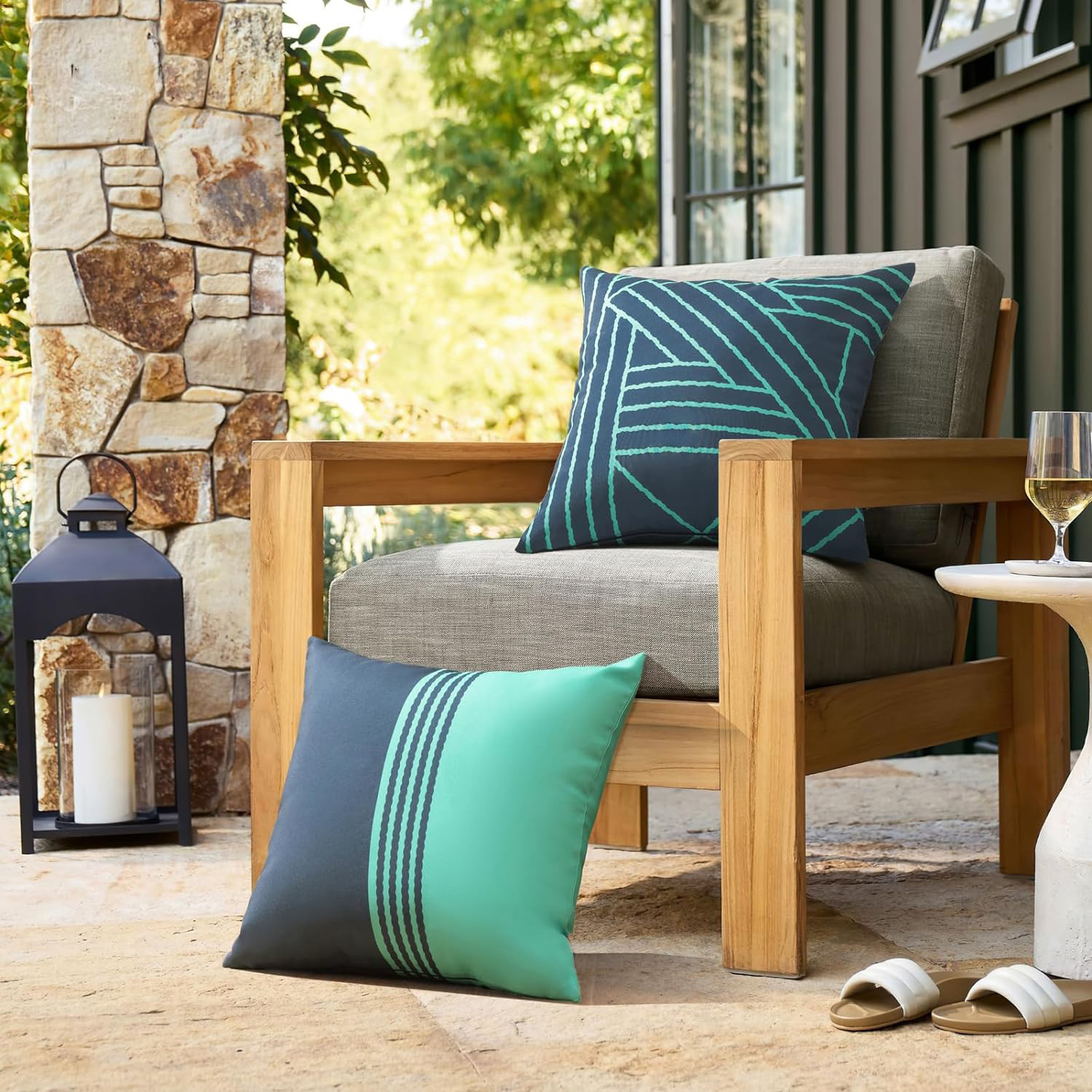
Before exploring pillow cover sizes, it’s essential to understand the structure and dimensions of the pillow insert itself. A pillow insert refers to the inner filling—a cushion that sits inside the decorative cover. The size “20x20” implies that the insert measures 20 inches in both width and height.
The dimensions of pillow inserts usually serve as a guideline for choosing pillow covers, but minor adjustments can impact the appearance and fit. It is important to recognize whether the listed dimensions on the package or product page reflect true measurements or approximate ones. For example, some inserts may expand slightly after use, so they might actually measure closer to 21x21 inches instead of 20x20.
Deciding on the right pillow cover size goes beyond matching dimensions. You should consider factors such as fit, aesthetics, usability, and the type of fabric being used. Let’s break these factors down further:
A tight-fitting cover will give your pillow a plump, well-rounded look. It squeezes the insert slightly, creating a fuller and more structured pillow. If your goal is to achieve a professional, high-end appearance, a snug fit is typically the way to go. For a 20x20 insert, many recommend opting for an 18x18 pillow cover to achieve this effect. The smaller cover compresses the insert and enhances its loft.
On the other hand, a loose-fitting cover offers a more relaxed, casual style. A 20x20 pillow cover that matches the insert dimensions exactly will provide a softer and slightly less pronounced look.
Pillow covers, regardless of material, have seams that contribute to their overall size. For instance, a 20x20 cover might have seams that reduce its interior dimensions slightly, making it appear smaller than its labeled size. Even if the cover is marked at 20x20 inches, its internal clearance could be closer to 19.5x19.5 inches. Take seam allowance into account before purchasing covers for your inserts.
The type of fabric used in the pillow cover can also influence fit. Fabric with elasticity, such as spandex or knit textiles, can conform snugly to the insert’s dimensions. Conversely, materials like cotton or linen might require more precise measurements since they lack stretch.
Different pillow functions call for different aesthetics and fits. A decorative pillow for a couch might feel plumper with a tight-fitting cover, adding visual interest to the space. Conversely, functional pillows for sleeping or lumbar support will benefit from covers that match the insert exactly, as excessive compression or looseness can impact comfort.
While preferences vary, most pillow experts make general recommendations based on style, fabric, and intended use. Below are the guidelines for selecting the correct pillow cover size for your 20x20 insert:
If you’re aiming for a fuller, firmer look, opt for an 18x18 pillow cover. This size compresses the insert slightly, giving a plump and high-end effect to the pillow. Such compression also helps maintain the structural integrity of the filling, preventing it from flattening too quickly over time.
If you’re seeking a softer and more relaxed look, a 20x20 pillow cover works perfectly. This option aligns the insert and cover dimensions, avoiding any extra compression. The pillow assumes a flatter profile while still maintaining comfort for practical, everyday use.
For situations where standard cover sizes fail to achieve the desired appearance, customization can be a great option. For instance, if your 20x20 insert is unusually bulky or fluffy, going up in size (e.g., 21x21 covers) may prevent excessive compression. Conversely, thinner inserts might benefit from a more snug size that falls slightly below typical dimensions.
Choosing the optimal pillow cover size involves more than just guessing measurements. Below are actionable tips to ensure your selection meets your needs:
Always measure the dimensions of your pillow insert yourself instead of relying solely on packaging or labels. Use a tape measure to confirm the width and height, and don’t forget to assess thickness or loft, especially for fluffy inserts.
If you’re torn between going smaller or matching sizes, consider testing both options before purchasing in bulk. This allows you to visualize the final look and adjust accordingly.
Some natural fabrics, such as cotton or linen, can shrink after multiple washes. If your pillow covers are expected to undergo regular laundering, plan for slight shrinkage when calculating dimensions.
Pillow covers often include decorative features like zippers, flanges, or fringe. These features can influence the actual usable dimensions, so adjust your size preferences accordingly.
Matching inserts and covers isn’t always straightforward. Here are common errors to avoid:
Neglecting the impact of shrinkage after washing
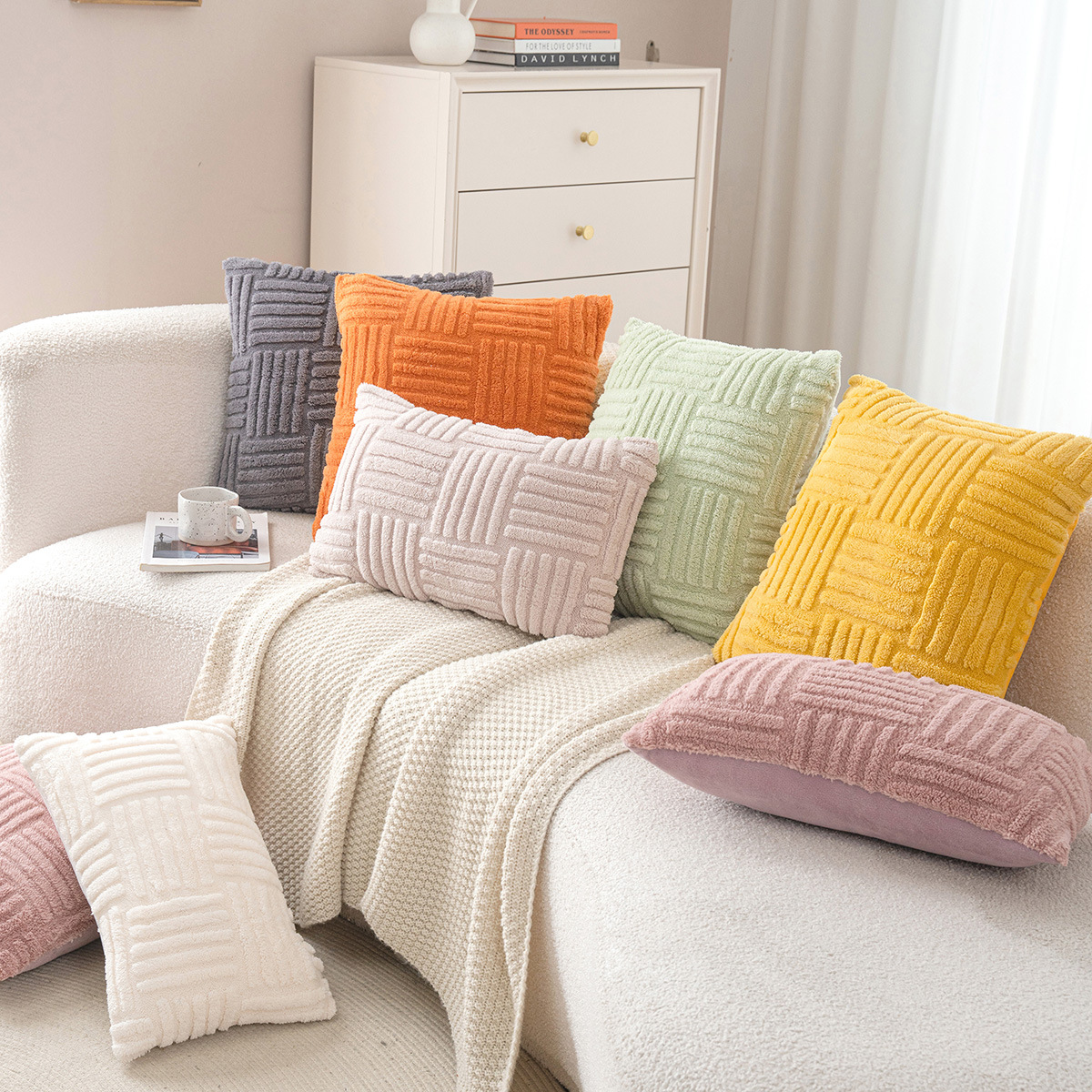
Choosing the right pillow cover for a 20x20 insert is not a one-size-fits-all task. While standard recommendations—such as going smaller for a fuller look or matching dimensions for relaxed comfort—are helpful, the best decision depends on your specific needs, preferences, and functional goals.
Remember to measure your insert, consider fabric and seam allowances, and test fit covers when possible. Whether you opt for the plump sophistication of an 18x18 cover or the laid-back style of a 20x20 match, thoughtful selection will ensure your pillows look and feel just right for your space.
By paying attention to these considerations, you'll master the art of selecting pillow covers, enhancing both the beauty and practicality of your interiors.