Updatetime:2026-07-10 09:02:32 View:
The bedding industry offers a diverse range of pillow options to cater to varying preferences and needs. One term you might encounter is the ""down alternative pillow."" These pillows have gained significant popularity due to their affordability, hypoallergenic properties, and ethical appeal. But what exactly is a down alternative pillow made of, and why are they an excellent choice for many consumers? This article dives deep into the components, benefits, and considerations of down alternative pillows, offering a comprehensive overview for both consumers and industry professionals alike.
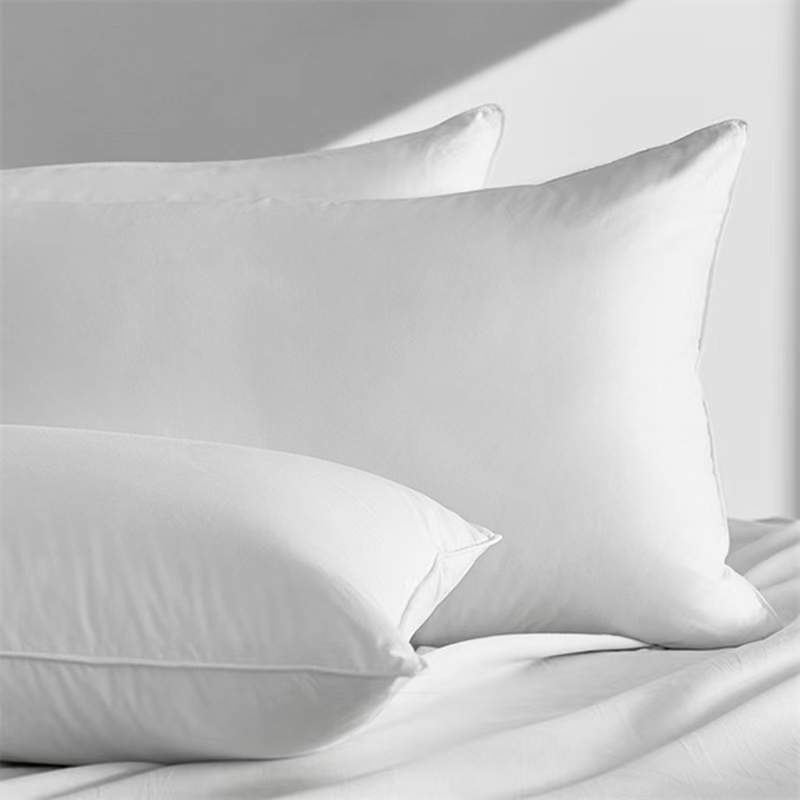
Before delving into the materials and construction, it's essential to understand what a down alternative pillow is. A down alternative pillow is designed to mimic the plush feel of natural down, which is the soft, fluffy layer found beneath the feathers of geese or ducks. However, unlike traditional down pillows, down alternative pillows use synthetic or natural materials as a substitute. They are crafted to deliver nearly the same comfort and loft while addressing some of the drawbacks associated with traditional down.
Down alternative pillows vary in composition, depending on the construction technique and target market. Below is an in-depth look at the most common materials utilized:
One of the most widely used materials in down alternative pillows is microfiber polyester—a synthetic fiber that is significantly finer than a human hair. Polyester microfiber is known for its ultra-soft texture, which closely mimics the lightness and fluffiness of down. Manufacturers often use this material due to its cost-effectiveness, versatility, and availability. An added bonus is that polyester is hypoallergenic, making it ideal for individuals who suffer from allergies triggered by natural down or feather-filled pillows.
Gel-infused fibers are a modern innovation incorporated into some down alternative pillows to enhance cooling properties. These fibers are engineered to improve airflow and dissipate heat, making them an excellent choice for hot sleepers. Gel-infused microfiber polyester serves as an ultra-soft filling while keeping the sleeper cool throughout the night.
While many down alternative pillows rely on synthetic materials, some incorporate natural alternatives like bamboo fibers or cotton. Bamboo-derived viscose or rayon, in particular, is eco-friendly, breathable, and naturally hypoallergenic. Although these natural fibers are less common than polyester, they are often sought after by consumers seeking a sustainable and organic product.
Another type of material frequently found in down alternative pillows is polyester clusters or polyfill. These materials provide enhanced resilience and adjustability. Cluster-filled pillows tend to be fluffier and more supportive than traditional microfiber and can last longer without flattening. This is especially beneficial for those who prefer a medium-firm feel.
The move toward sustainability in the bedding industry has seen some down alternative pillows made from recycled synthetic fibers. These fibers are often derived from recycled plastics, contributing to reduced environmental impact. They retain similar properties to standard polyester while allowing manufacturers to offer a more environmentally conscious product.
Alongside the filling, the fabric chosen for the outer shell of a down alternative pillow plays a critical role in both comfort and durability. Most down alternative pillows feature a cover made with:
Cotton is commonly used as a shell fabric due to its durability, breathability, and natural softness. High-thread-count cotton offers a smooth and luxurious surface while effectively preventing pillow fill from escaping.
Many down alternative pillows utilize a mixture of polyester and natural fibers to combine breathability and stretch. The addition of polyester enhances wrinkle resistance and durability, making it a practical choice.
As an eco-friendly option, bamboo-derived fabric is both soft and moisture-wicking. This type of material ensures a cool and fresh sleeping experience, ideal for individuals who tend to sweat during the night.
To further understand the advantages of down alternative pillows, let’s compare them to traditional down pillows on several dimensions:
One significant drawback of genuine down pillows is their potential to trigger allergic reactions in sensitive individuals. Natural down may harbor dust mites or dander, exacerbating allergies. Down alternative pillows, in contrast, are typically hypoallergenic, thanks to their synthetic or natural hypoallergenic fillings.
Many consumers are turning away from traditional down due to ethical concerns linked to the sourcing of feathers from ducks and geese. Down alternative pillows cater to an environmentally and ethically conscious audience, as they involve no animal-derived materials.
Another major point of comparison is the cost. Down alternative pillows are significantly cheaper than their natural down counterparts. This affordability makes them an attractive option for budget-conscious buyers without compromising on comfort or durability.
Down pillows require specialized care, often involving dry cleaning or specific washing techniques, to maintain their loft. On the other hand, most down alternative pillows are machine-washable, making them far easier to clean and care for.
Down alternative pillows are a versatile choice suitable for a wide range of people. The following groups may particularly benefit:
When selecting a down alternative pillow, it’s vital to consider the following factors:
Your sleeping posture plays a crucial role in determining the appropriate pillow. Side sleepers generally prefer firmer and loftier pillows for adequate neck alignment. Back and stomach sleepers usually need softer, lower-loft options to maintain a neutral spine position.
Consider whether you prioritize softness or support when choosing a fill material. Microfiber polyester is great for those who love the plush feel of down, while cluster-filled pillows deliver more firmness and bounce.
If you tend to overheat at night, opt for gel-infused pillows or those with bamboo-based fabric covers for enhanced temperature regulation.
For allergy sufferers, it’s worth looking for products labeled as hypoallergenic. This ensures the pillow won’t exacerbate sensitivities to dust mites or allergens.
While down alternative pillows are more affordable, checking for quality construction, such as double-stitched seams and high-thread-count covers, can prolong their lifespan and maintain their shape.
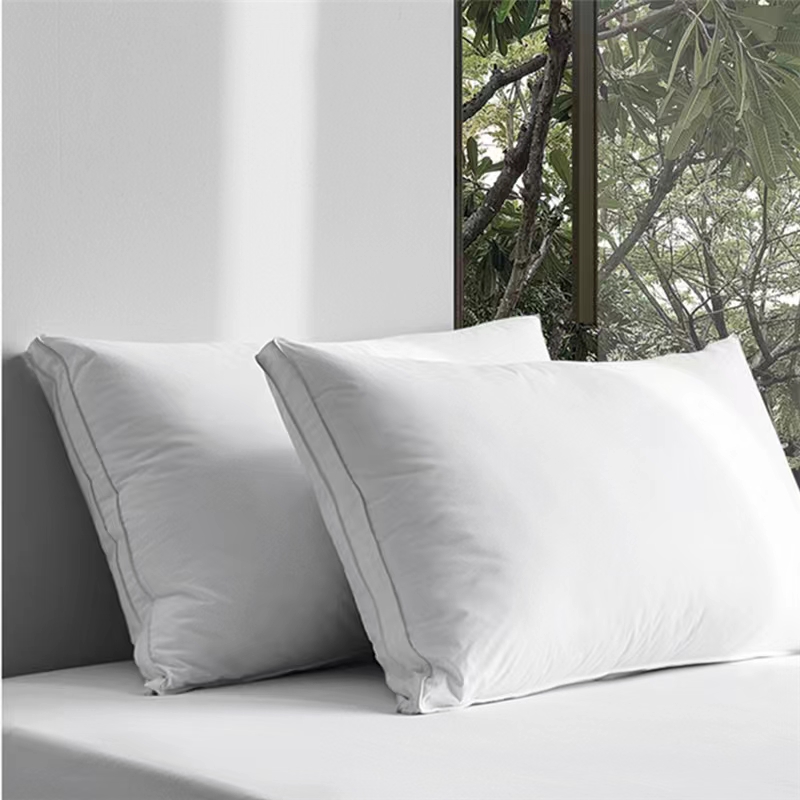
Down alternative pillows provide an excellent solution for those seeking comfort, affordability, and a hypoallergenic option to traditional down. Made primarily from synthetic fibers like microfiber polyester, gel-infused polyester, or eco-friendly materials like bamboo viscose, these pillows offer the loft and softness of down without its drawbacks. With easy maintenance, ethical appeal, and various fill options, down alternative pillows continue to be a favorite amongst a broad range of consumers.
When selecting a down alternative pillow, understanding your personal needs, sleeping style, and specific preferences is critical. Consider factors like fill material, loft, durability, and cooling properties to make an informed purchase. Ultimately, this versatile product proves that you don’t have to compromise on luxury, comfort, or budget to achieve a restful night’s sleep.