Updatetime:2026-07-02 09:37:15 View:
When packing for air travel, space is a premium. Every inch of your personal carry-on allowance is valuable, especially if you're looking to avoid additional fees. One often-debated item among travelers is the neck pillow. Seen as a travel necessity by some, this comfort-enhancing accessory can lead to questions about its status as a personal item. In this comprehensive guide, we'll explore whether a neck pillow qualifies as a personal item and provide practical insights for travelers navigating airport regulations.
To address the core question of whether a neck pillow is treated as a personal item, it's essential to first understand what constitutes personal items in the context of air travel. Airlines typically allow passengers one carry-on bag and one personal item. A personal item is usually a smaller piece of luggage that should fit under the seat in front of you. Common examples include purses, briefcases, and laptops.
While there is no universal standard across all airlines, personal items generally adhere to a few broad criteria. They should be small enough to be stored under a seat, not exceed weight limitations, and fit specific dimensions often stipulated by the airline. Traditional examples include:
However, non-traditional personal items can sometimes fit this designation too. This is where it gets tricky: is a neck pillow small enough to fit under these criteria?
Different airlines have varying interpretations of what can be considered a personal item, and there tends to be a lack of specific mention regarding neck pillows. Here's an analysis of typical policies:
Some airlines take a more lenient approach, considering any item you carry on your person as an accessory rather than part of your allotted personal items. Others are more stringent, checking that each passenger only boards with allowed baggage. Knowing which category your airline fits into can help you prepare better.
For instance, luxury and international carriers may offer more lenient policies, perhaps due to ample cabin space and a focus on passenger comfort. Conversely, budget airlines focus intensively on baggage allowance to maintain efficiency and cost-effectiveness, thus being less forgiving about additional items.
Regardless of your airline's viewpoint, a proactive approach ensures you face less hassle during your journey. Here are some strategies to consider:
Contacting the airline in advance can provide clarity about whether your neck pillow can be carried separately. This step ensures you’re informed about the latest policy changes and saves you from last-minute surprises at the gate.
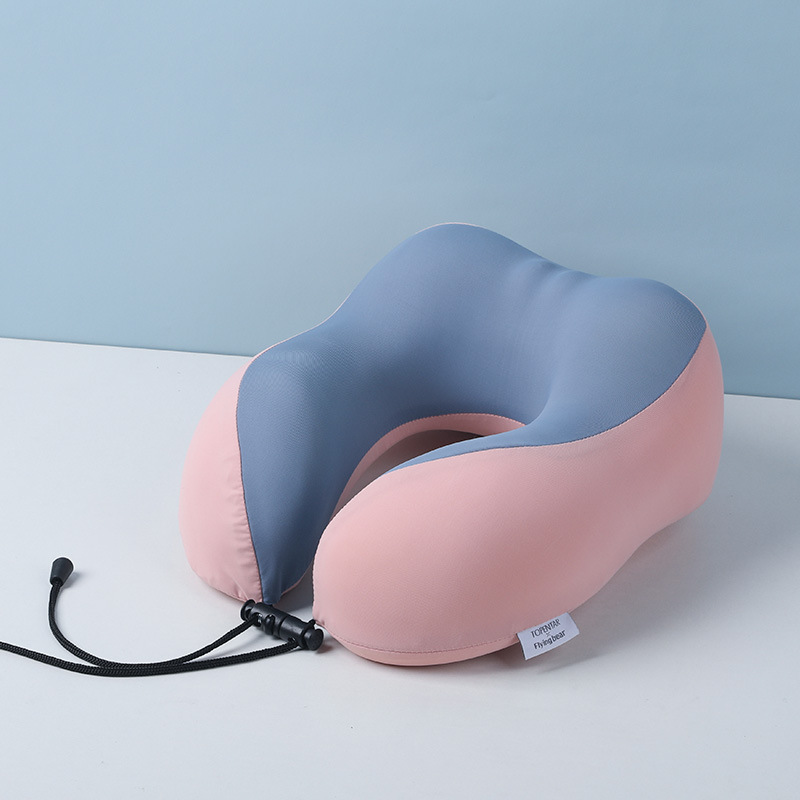
Many modern neck pillows are designed to be compressed into smaller sizes. If your neck pillow can be squished into a pouch or attached externally to your luggage, it may sidestep the personal item checkpoint.
A practical solution is to wear your neck pillow around your neck as you board. This method gives the appearance of it being an accessory rather than an additional item, making it less likely to be flagged.
Opt for a neck pillow that doubles as something else—a scarf, a blanket, or even a part of your jacket. This dual utility can present it as part of your attire rather than a standalone item.
If you're worried about your neck pillow causing complications, consider exploring alternative comfort accessories:
These often come with built-in pouches and can easily double as neck support when rolled correctly. They visually resemble traditional personal items (like a folded coat), making them less likely to be questioned.
These can be deflated when not in use, allowing them to fit into even the smallest carry-on spaces. Since they take so little space when deflated, they're less of a concern at boarding passes.
Combining the functionality of a neck pillow and a sleep mask can be a clever way to maintain comfort while reducing the number of separate travel accessories.
Hearing directly from seasoned travelers can shed light on managing this common travel dilemma:
Jane, a frequent flyer for business, adopts a minimalistic approach. She mentions, ""I always travel with an inflatable neck pillow. It slips easily into my laptop bag after being deflated, ensuring no additional carry-on worries.""
Mark, a globetrotter exploring different continents, shares, "I attach my compressible neck pillow to my backpack using the provided loop. I've never run into issues, as it looks like a part of my main luggage."
Ultimately, whether a neck pillow is considered a personal item depends largely on the airline and your approach to carrying it. Wisdom lies in preparation and awareness. As air travel continues to evolve, staying informed about airline policies can significantly enhance your travel experience, ensuring comfort doesn't come at the cost of convenience or extra fees.
If you're ever uncertain, lean towards versatility and portability. By employing smart packing strategies or opting for dual-function travel gear, you enhance the likelihood of seamless transit. The takeaway? While not always straightforward, with the right knowledge and a proactive mindset, managing personal items like neck pillows can be a breeze.
In conclusion, thorough planning is the key to navigating the nuances of modern air travel with your neck pillow intact. Happy travels!