Updatetime:2026-05-08 19:04:33 View:
The cleanliness and maintenance of bed sheets often go overlooked in day-to-day life, yet they play a crucial role in promoting health, hygiene, and quality sleep. Understanding how often to change your bed sheets and why it's important can transform your sleeping environment and contribute significantly to your overall well-being. This guide delves into practical advice and insights, ensuring you have all the information to make informed decisions regarding your bed linens.

Bed sheets are exposed to numerous factors that can cause them to accumulate dirt, bacteria, and dust over time. Sleeping on unclean sheets can negatively impact your health and quality of life for several reasons:
Your skin sheds cells daily, and as you sleep, these dead cells collect on your sheets. Combined with sweat, oils, and dirt, this build-up can create an unhygienic environment, leading to clogged pores, acne, and other skin irritations if sheets aren't changed regularly.
Dust mites feed on dead skin cells and thrive in warm, humid environments, making your bed an ideal habitat. This can lead to allergic reactions like sneezing, coughing, and itchy eyes. Regular washing of bed sheets can significantly reduce the presence of dust mites and allergens.
Clean bed sheets contribute to a more comfortable and relaxing sleeping environment, which enhances sleep quality. Lingering odors and the tactile discomfort of dirty sheets can disturb your rest, leaving you feeling less refreshed in the morning.
A clean, neatly-made bed is visually and mentally uplifting. It helps create a sense of calm, cleanliness, and order, promoting emotional well-being and reducing stress.
The frequency of changing bed sheets depends on various factors, including personal habits, health considerations, environmental conditions, and lifestyle. Below is a general guideline:
For most people, changing bed sheets once a week is a good standard practice. This fits well with regular household cleaning schedules and prevents the buildup of bacteria, sweat, and allergens.
Certain circumstances require changing bed sheets more often than once a week:
In some cases, it’s acceptable to stretch this schedule slightly—changing bed sheets every two weeks might suffice for individuals who sleep alone and don’t sweat excessively or have health concerns.
Different lifestyle factors may mean that you should alter the recommended frequency of changing your bed sheets. Here’s a breakdown of these factors:
If you shower before bed consistently, dirt and sweat are less likely to accumulate on your bed sheets, potentially allowing for less frequent changes. Conversely, those who don’t shower before bed may need to change sheets more often.
Humidity and heat encourage sweat and increase the likelihood of dust mites thriving in your bed. People in colder, drier climates might stretch the time between changes slightly further without significant hygiene risks.
If you share your bed with a partner, child, or pet, your sheets are exposed to more contaminants, oils, and dead skin cells, meaning they need changing frequently. Solo sleepers who practice healthy habits might get away with extending the time between changeovers.
The fabric of your sheets can also play a role. Natural fabrics like cotton allow better breathability and absorb sweat, which may require more frequent washing than synthetic materials designed to wick moisture away.
Aside from knowing how often to change your sheets, maintaining them properly ensures hygiene and increases their lifespan. Here are some actionable tips:
Hot water is effective at killing bacteria, dust mites, and allergens. Set your washer to a water temperature of approximately 130°F (54°C) for optimal results.
To avoid skin irritation or allergic reactions, use mild detergents without dyes or artificial fragrances, especially if you have sensitive skin.
Ensure your bed sheets are completely dry before putting them back on your bed. Damp sheets can lead to mold or mildew growth.
Stock up on two or three sets of bed linens and rotate them regularly. This practice not only ensures you always have a clean set available but prevents excessive wear and tear on individual sheets.
Dirt, sweat, and germs from your day can transfer easily to your sheets if you’re not changing into clean pajamas before sleep. Maintaining this practice protects the hygiene of your bedding.
While bed sheets are the focus, don’t forget about other parts of your bedding:
Pillowcases collect skin oils, makeup, and sweat, making them a prime candidate for weekly washing—or even more frequently if you suffer from acne or oily skin.
While these don’t need weekly washing, cleaning them every few months helps maintain hygiene in your sleep environment.
Wash blankets every 1-2 months and comforters every 6 months, unless they’re frequently exposed to high levels of sweat or dirt.
Aside from following a set schedule, be on the lookout for signs indicating it’s time to change your bed sheets:
Increased sniffling, coughing, or sneezing, indicating dust mite activity.
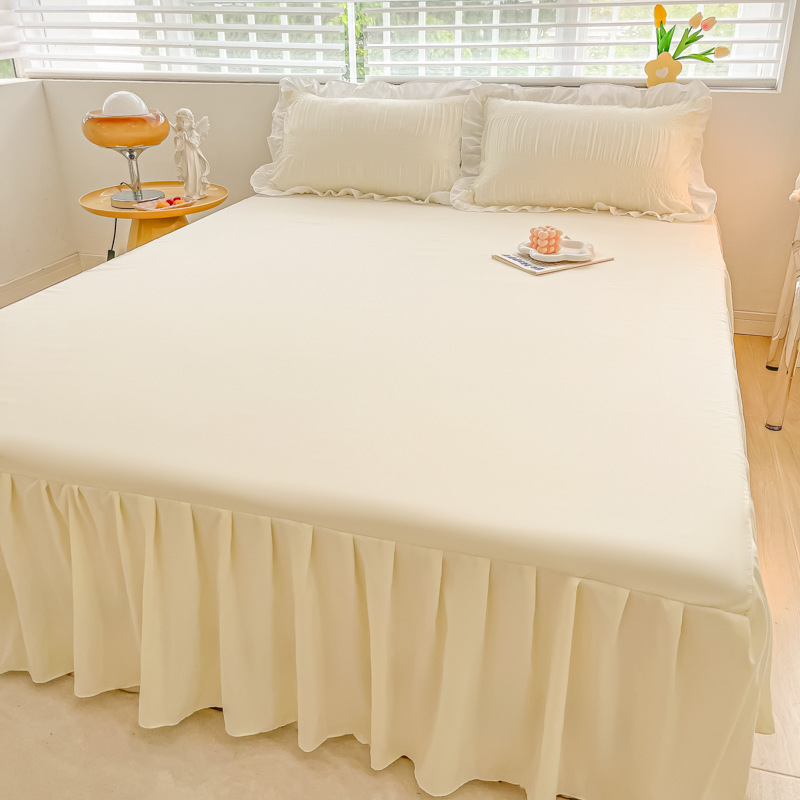
The frequency of changing bed sheets is not a one-size-fits-all answer—it depends on personal habits, lifestyle factors, health considerations, and environmental conditions. For most people, changing bed sheets weekly is a good rule of thumb, but this can vary depending on circumstances. Prioritize your hygiene and skin health by maintaining clean bed sheets, following practical maintenance tips, and rotating your bedding on a regular schedule.
By keeping your bed sheets fresh and clean, you’ll not only enhance your sleep quality but create a healthier and more comfortable sleep environment. Start implementing these tips today to enjoy the benefits of a cleaner and more hygienic living space.