Updatetime:2026-04-23 20:31:31 View:
Pillows are an essential part of a comfortable and restful sleeping experience. However, determining the optimal number of pillows for one person often sparks debates, as personal preferences, health needs, and lifestyle factors all play a role. Whether you’re a manufacturer, retailer, or an individual looking to make informed decisions, understanding the nuances of pillow usage is essential.
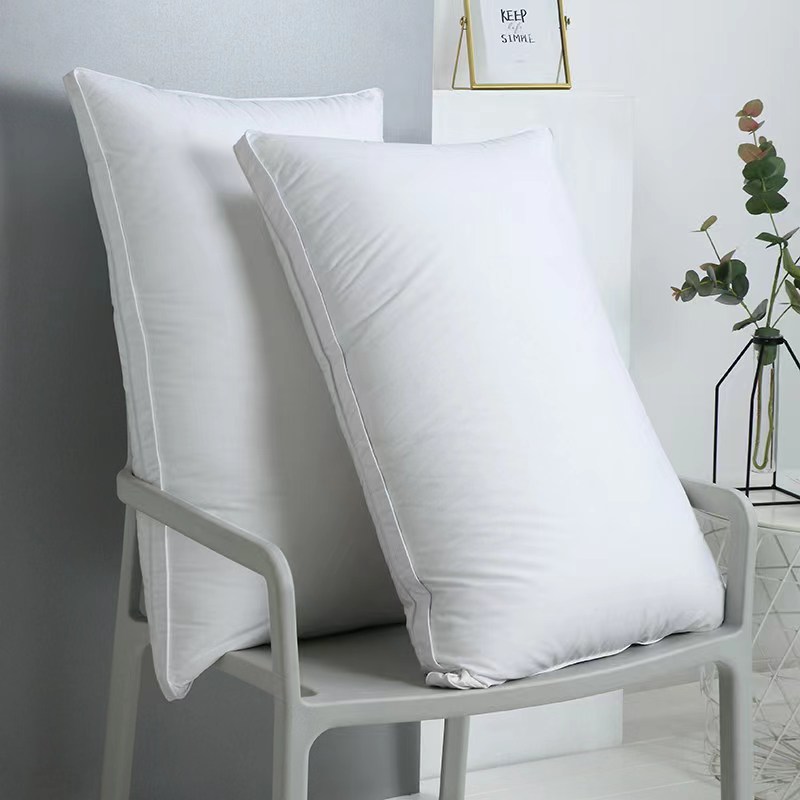
Pillows serve a purpose beyond mere comfort. Their primary function is to support the neck, head, and spinal alignment while you sleep, reducing pressure and minimizing the risk of discomfort or pain. Additionally, pillows contribute to creating a sense of coziness, helping people relax and improve their overall sleep quality.
In a broader context, pillows are also used for decorative purposes, personal habits like reading in bed, and medical needs such as elevating certain body parts. With such versatility in usage, it becomes crucial to find the balance between functionality and excess. So, the question arises — how many pillows does one person truly need?
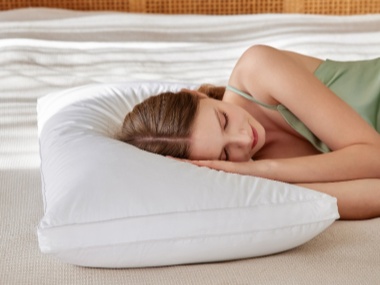
For sleeping, most people use one pillow under their head to support neck alignment and spinal health. A single well-designed pillow can suffice for optimal comfort, particularly if it matches your sleeping style (side, back, or stomach). However, certain individuals may require additional pillows to accommodate specific needs:
Thus, for functional sleeping purposes, the decision to use one or more pillows is largely dictated by personal comfort and sleeping position preferences. A single, high-quality pillow can often do the job well, but incorporating additional pillows for specific needs enhances comfort and improves sleep quality.
Medical needs can significantly influence how many pillows a person may require. Those dealing with issues like acid reflux, back pain, or post-surgical recovery often rely on pillows to provide necessary elevation or targeted support. Wedge-shaped pillows can be particularly helpful for creating an inclined sleeping position for acid reflux sufferers, while additional pillows can be used for lumbar or cervical support.
Pregnant individuals may require pregnancy pillows — large U- or C-shaped cushions designed to improve body alignment and reduce pressure on the back, hips, and joints. These specialty pillows are often separate from the standard ones used for sleeping.
People who enjoy sitting upright in bed to read, watch TV, or work on laptops often utilize multiple pillows for back and neck support. A combination of firm pillows stacked for support or specialty pillows designed for sitting positions, such as bolster cushions, can elevate the experience.
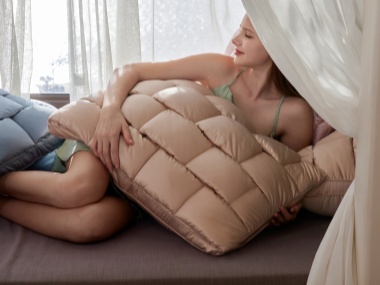
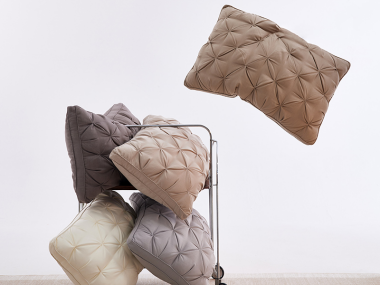
For many, pillows extend beyond functionality, transitioning into aesthetic enhancements for the bedroom. Decorative pillows, such as throw cushions, euro shams, and bolster pillows, beautify the sleeping space, creating a polished and inviting look. A well-designed bedroom might utilize three to five decorative pillows in addition to functional sleep pillows. However, using excessive decorative cushions may clutter the space, so moderation is key.
The number of pillows you opt for largely depends on individual sleep preferences. Minimalists may prefer sticking to one pillow, while side sleepers and back pain sufferers might need extra support. Evaluate your sleeping position and comfort levels to make the best use of pillows tailored to your needs.
If you are using pillows for decoration, consider your bedroom’s dimensions and design theme. Overloading a small bedroom with too many pillows can create unnecessary clutter. Aim for balance and harmony between functionality and aesthetics.
Investing in high-quality pillows made from memory foam, latex, or down can eliminate the need to use multiple pillows for support. A single well-made pillow may outperform several low-quality ones, reducing the number of pillows you need while enhancing comfort.
Climate can play a role in how many pillows one person uses. Warm climates may call for breathable, lightweight pillows, while colder regions often employ layered pillows for added warmth. Additionally, storing excess pillows during seasonal changes may become a challenge, particularly if space is limited.
If you have specific medical conditions — such as spinal issues or respiratory problems — the number of pillows needed increases. Consult a healthcare professional or ergonomics expert to determine how many pillows would be most beneficial for your health situation.
Lastly, budget considerations can impact how many pillows you can acquire. While good-quality pillows tend to be more expensive, they are an investment in better sleep and overall well-being. Strike a balance between cost and comfort to maximize value.
Instead of focusing on how many pillows you own, consider upgrading to high-quality options suited to your sleeping needs. Materials like memory foam and latex provide better support proportionate to body contours, potentially reducing the need for multiple pillows.
Many pillows are designed to serve dual functions, such as neck support while sleeping and back support when sitting upright. Investing in versatile pillows minimizes clutter while improving usability.
Regardless of how many pillows you own, maintain them regularly by washing, fluffing, or replacing them. Overused and worn-out pillows can lead to poor sleep quality or even health issues like allergies. Experts recommend replacing pillows every 1-2 years, depending on usage.
If you find yourself accumulating excessive pillows over time, declutter to streamline your bedroom space. Donate unused decorative pillows and retain only functional ones that contribute to your comfort and well-being.
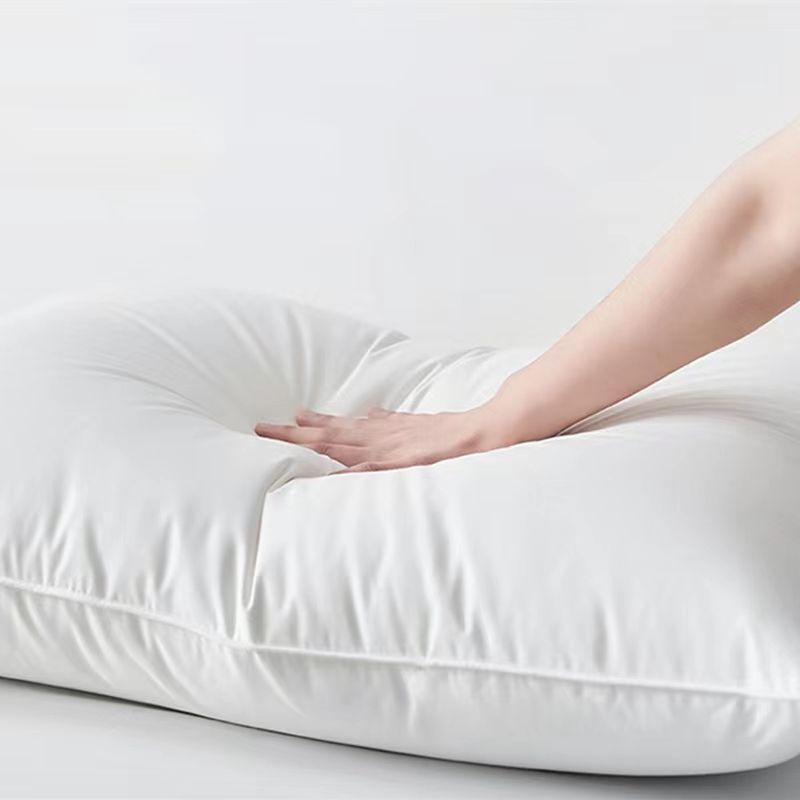
The ideal number of pillows for one person varies depending on individual preferences, health needs, and lifestyle factors. While one pillow is sufficient for many, adding extra pillows for specific requirements like body alignment, medical issues, or decorative purposes can enhance comfort and functionality.
From upgrading pillow quality to considering multi-purpose designs and maintaining a clutter-free bedroom, the key is to find a balance between functionality, aesthetics, and health benefits. By carefully evaluating your unique needs, you can determine the perfect number of pillows to optimize your sleep experience and overall quality of life.