Updatetime:2026-03-15 19:49:21 View:
Bed pillows, while often overlooked, play a crucial role in ensuring a good night's sleep. They provide much-needed support to our neck and head and contribute to our overall sleeping comfort. However, over time, pillows can accumulate dust mites, bacteria, sweat, and body oils, leading not only to unpleasant odors but also potential health issues. Cleaning your bed pillows regularly is essential for maintaining a hygienic sleeping environment. This article will guide you through the process of cleaning bed pillows, ensuring that you get a restful and healthy sleep.

Before diving into the cleaning processes, it's important to understand why maintaining pillow hygiene is pivotal. Pillows are prone to collecting allergens such as dust mites, dead skin cells, and bacteria. These impurities can cause allergies, respiratory issues, and skin irritations. Furthermore, a dirty pillow can harbor odors that disturb your sleep environment. Regularly cleaning your pillows can extend their lifespan, keep your sleep area clean, and improve your overall sleep quality.
When it comes to cleaning pillows, knowing the material of your pillow is crucial as different materials require different cleaning methods. Common pillow types include:
While specifics can vary based on pillow type, here are some general guidelines to help you refresh and maintain your pillows:
Always begin by reading the care label. The manufacturer usually provides cleaning instructions specific to the pillow's material and construction. Deviating from these recommendations might damage the pillow or void warranties.
Regardless of pillow type, use a mild detergent to avoid chemical residues that can cause skin irritation or degrade the pillow material over time.
To maintain balanced loads in your washing machine, wash two pillows simultaneously. This distributes weight evenly and prevents your machine from becoming unbalanced.
Thoroughly rinse your pillows to remove any detergent residue. Consider running an extra rinse cycle if necessary.
Thoroughly drying pillows is essential to prevent mold and odors. Most pillows, except memory foam, can be tumble-dried on a low heat setting. Adding clean, dry towels to the dryer or using dryer balls can help speed up the process and maintain the pillow's fluffiness.
These types of pillows can usually be washed in a machine. Use cold water and a gentle cycle to prevent feather or down damage. It’s advisable to use a pillowcase protector to maintain their longevity. Post-washing, tumble dry on low heat with dryer balls to maintain loft and disperse clumped feathers.
Memory foam should not be machine-washed as it can break down the material. Instead, spot clean stains using a mild soap solution and damp cloth. When necessary, refresh them by sprinkling baking soda over the surface, let it sit for 30 minutes, and vacuum thoroughly. Always air-dry memory foam to preserve its elasticity.
Synthetic pillows are generally machine washable. Use a balanced load (washing two at once), warm water, and a mild detergent. Post-washing, ensure they are thoroughly dried in a dryer on a low heat setting. This prevents mildew and helps maintain their shape.
Like memory foam, latex pillows should not be submerged in water. Spot clean them with a mild soap and water solution, carefully avoiding excessive moisture. Regular airing and dusting will help keep them fresh without compromising their form.
Cleaning your pillows doesn't end with washing. Proper maintenance is key to prolonging the period between washes:
No matter how well you maintain them, pillows don't last forever. As a rule of thumb, consider replacing them every 1 to 2 years or when they no longer provide adequate support. Typical signs that it’s time for a new pillow include persistent odors, lumps that washing can’t remove, or uncomfortable flattening.
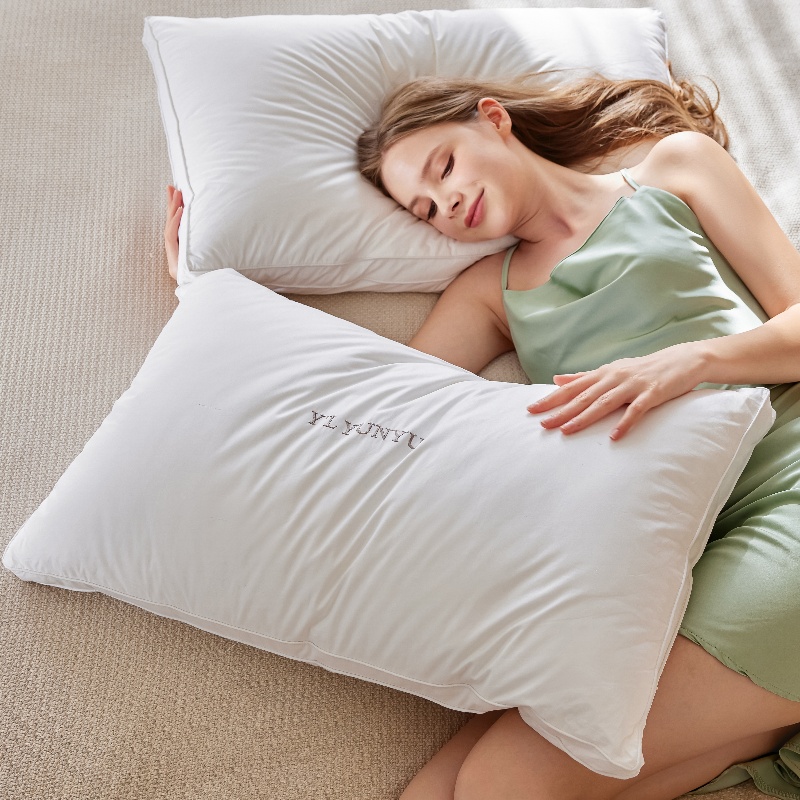
Regularly cleaning your bed pillows is an investment in your health and sleep quality. Understanding the specific cleaning requirements for your pillow type ensures that you're maintaining their durability and cleanliness. By following the outlined strategies, you can keep your pillows fresh, supportive, and free from allergens, ensuring a restful sleep night after night. Remember, a well-cared-for pillow not only extends the life of the pillow itself but also contributes significantly to a cleaner, healthier sleep environment.